
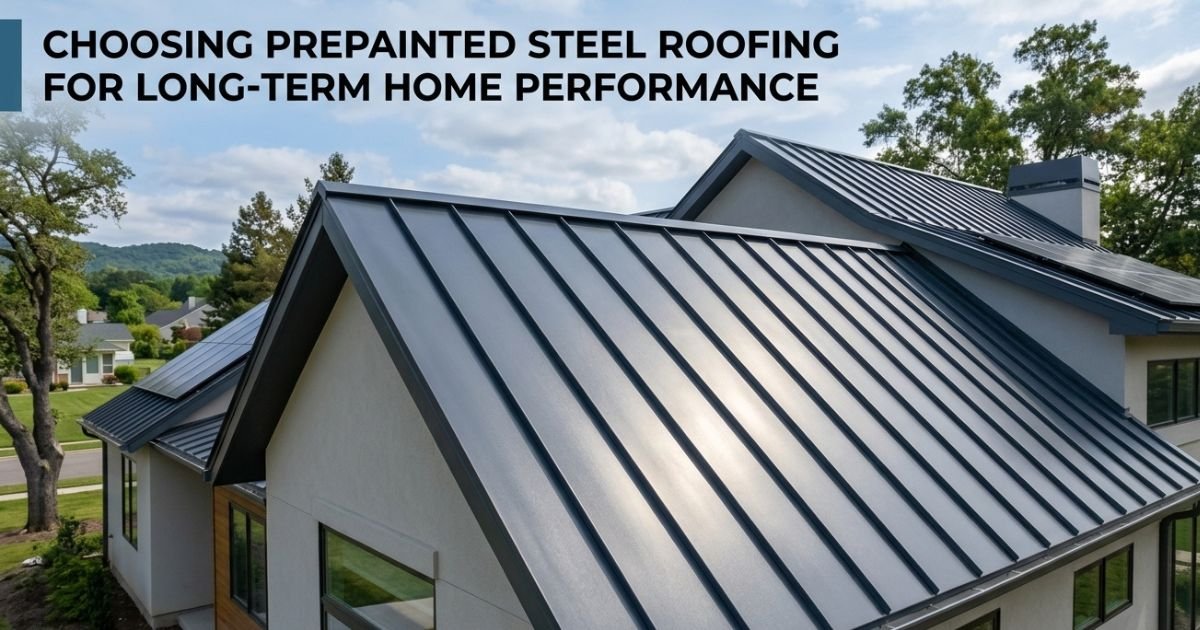
We know that choosing the right roofing material can significantly extend our home’s lifespan. Prepainted steel roofing offers a durable solution that not only withstands extreme weather exposure but also enhances your home’s aesthetics. With the increasing demand for energy-efficient and resilient materials, prepainted steel roofing stands out as a top choice for homeowners seeking durability. In this article, we’ll delve into the essential elements of selecting the ideal prepainted steel roofing, covering installation methods, coating systems, and even tips for picking a color that complements your home.
How Prepainted Steel Roofing Is Made
The manufacturing process of prepainted steel roofing begins with high-quality steel sheets that adhere to specific industry specifications. These sheets undergo rigorous cleaning to remove any impurities, ensuring optimal paint adhesion. Once prepped, a primer is applied to create a strong foundation for the subsequent layers of paint. This step is crucial as it not only enhances the durability of the paint but also helps in achieving a more uniform color application.
Following the priming stage, a meticulously formulated coating system is layered onto the steel. This system typically consists of multiple layers, including a topcoat that provides both aesthetic appeal and protection against harsh weather conditions. The diversity of colors and textures available allows homeowners and builders to select finishes that complement their architectural styles.
Why the Paint Coating Matters
The paint coating on roofing sheets is more than just an aesthetic choice for homeowners; it serves as a vital protective system that significantly impacts the longevity and functionality of the roof. A high-quality paint layer helps the underlying metal retain its color and resist the detrimental effects of ultraviolet exposure.
In areas with extreme weather, the right paint not only enhances the visual appeal of a steel roof but also fortifies it against rust and corrosion. This protective layer acts as a shield, minimizing the wear and tear caused by rain, hail, and intense sunlight. Homeowners who invest wisely in their roofing sheets by selecting superior coatings ultimately secure their roofs’ integrity and appearance, making it a worthy consideration for both beauty and durability.
Choosing the Right Steel Substrate
Selecting the right steel substrate is crucial for ensuring the longevity and performance of steel products around your home. The choice of substrate directly impacts not only the aesthetic appeal but also the structural integrity and effectiveness of corrosion protection. For instance, hot-dipped galvanized steel offers superior resistance to oxidation compared to other options, making it an ideal choice for elements exposed to harsh weather conditions, such as a roofing system.
Certain steel alloys can also enhance the lifespan of external structures, providing peace of mind for homeowners in climates susceptible to extreme temperatures. Investing in quality materials will not only safeguard your structure but also contribute to the overall aesthetics and functionality of your home.
PPGI vs. PPGL Steel Roofing
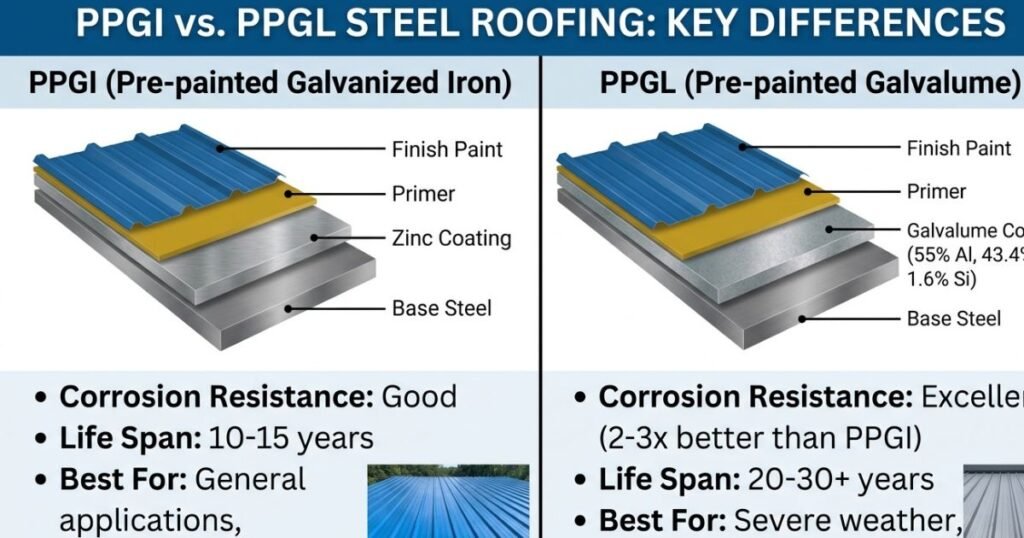
When considering roofing materials, PPGI (Pre-painted Galvanized Iron) and PPGL (Pre-painted Galvalume Steel) present distinct advantages based on climate and exposure levels. PPGI features a zinc coating that offers strong resistance to corrosion, making it suitable for moderate environments. In areas with more extreme weather conditions or higher humidity, PPGL shines with its aluminum-zinc coating that significantly enhances corrosion protection. This makes PPGL a favored choice for coastal regions where salt exposure can accelerate degradation.
The roof design itself can also influence material choice; PPGL’s enhanced durability allows for thinner profiles without compromising on strength, giving architects and builders greater flexibility in aesthetics and structural integrity. Environmental exposure should be a prime consideration, as the long-term performance of your roof hinges on how well it can withstand the elements.
How Steel Thickness Affects Performance
The thickness of steel plays a pivotal role in determining the overall performance of roofing systems, particularly when tailored to specific intended roof applications. A roof designed for heavy snow loads, for instance, requires a thicker gauge steel to ensure it can withstand the weight without warping or failing.
Installation quality also significantly interacts with steel thickness; even the most robust steel can falter if improperly installed. For example, thinner sheets may require more meticulous handling and fastening to avoid bending or compromising their shape during installation.
Selecting the Right Coating for Your Roof
When it comes to selecting the right coating for your roof, it’s essential to consider the unique environmental factors it will face. For instance, roofing in areas with high sunlight exposure should prioritize UV-resistant coatings that can withstand the harsh effects of prolonged sun exposure, preventing premature degradation. In contrast, regions experiencing high humidity or heavy rainfall require coatings with excellent water-repellant properties to combat mold and leaks effectively.
Choosing a coating system that offers robust protective properties is crucial for mitigating corrosion and ensuring longevity. Aesthetic appeal is also a critical factor; the right coating can enhance your roof’s appearance while adding an extra layer of defense.
Coating Thickness and Durability
Coating thickness plays a pivotal role in determining the durability and performance of materials, particularly in applications like prepainted steel roofing. A thicker paint layer can offer enhanced resistance to environmental factors such as UV radiation, moisture, and extreme temperatures. This improved durability not only extends the lifespan of the roofing but also reduces maintenance costs over time.
A well-executed manufacturing process that accounts for the intricacies of coating thickness can yield superior results. For instance, a thicker layer of high-quality metallic coating can significantly enhance corrosion resistance, thereby preserving the integrity of the underlying steel.
Consider Your Local Climate and Weather Conditions
Climate is one of the most important factors when choosing prepainted steel roofing. A roof must cope with the specific combination of heat, sunlight, rain, humidity, wind, and temperature changes common in its location. Selecting a material based on local exposure rather than appearance alone can make a significant difference to long-term performance.
Prepainted Steel Roofing for Hot and Sunny Areas
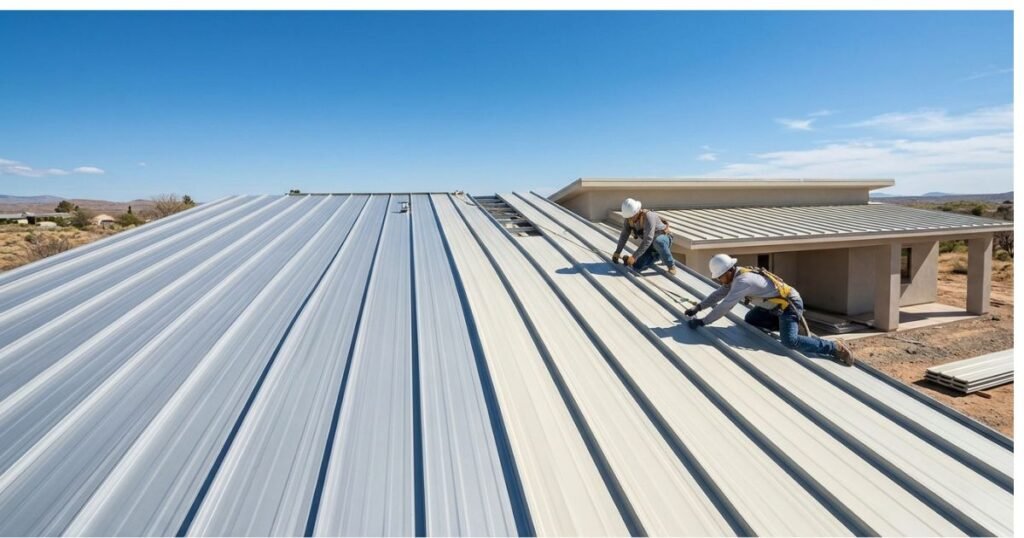
Prepainted steel roofing is increasingly becoming the go-to choice for hot and sunny areas due to its impressive ability to withstand harsh environmental conditions. One of its standout features is its resilience against strong ultraviolet exposure, which can quickly degrade lower-quality coatings.
Opting for high-performance, light-colored finishes not only enhances aesthetic appeal but also reflects more sunlight, effectively reducing heat absorption. This reflective quality significantly contributes to minimizing the demand for cooling energy, leading to lower utility bills and a more comfortable indoor environment. As temperatures fluctuate, traditional roofing materials can warp or crack, while high-quality prepainted steel maintains structural integrity, ensuring long-lasting performance despite the unforgiving climate.
Protection Against Rain and Humidity
When considering protection against rain and humidity, the integrity of your roofing system becomes paramount. Proper design and installation of flashing around joints or penetrations can significantly minimize water intrusion. Utilizing quality fasteners designed for high-humidity environments can further enhance the durability of your roofing system.
Drainage is another critical factor in managing moisture effectively. A well-designed drainage system helps divert water away from sensitive areas, reducing the risk of pooling and subsequent damage. It’s vital to assess the quality substrate upon which your roofing is installed; a robust foundation can withstand the stresses caused by excessive humidity and rainfall..
Coastal Areas and Corrosion Concerns
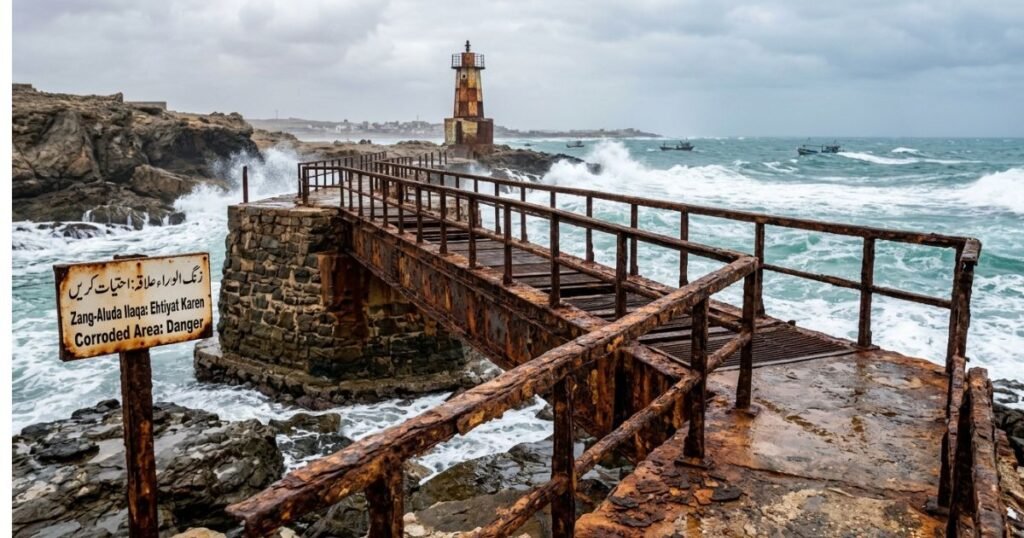
Coastal areas present unique challenges for structures, particularly regarding corrosion concerns. The proximity to the sea exposes buildings to salt-laden air, which significantly accelerates the deterioration of metallic substrates. When installing steel roofing, special attention must be paid to vulnerable areas, such as cut edges, fasteners, and flashings. These components often bear the brunt of corrosive elements, necessitating protective measures that go beyond standard practices.
Innovative solutions for corrosion management include using coatings designed specifically for marine environments, offering a robust defense against the relentless assault of moisture and salts. For instance, opting for stainless steel or titanium fasteners can mitigate potential failures in environments where traditional materials might succumb to rust.
Consider Energy Efficiency and Roof Color
When selecting a roof color, understanding its role in energy efficiency can significantly enhance indoor comfort, especially in warm climates. Light-colored roofs reflect more sunlight than dark roofs, effectively reducing cooling demand by minimizing heat transfer into the building. This reflective quality not only promotes a cooler attic space but also decreases the burden on air conditioning systems, leading to lower energy bills and a reduced carbon footprint.
The surface texture of the roof plays a pivotal role in its performance. For instance, a smooth surface can enhance the reflective capabilities of lighter colors, while rough textures might absorb more heat regardless of the hue.
How Roof Color Affects Heat Absorption
The color of a roof plays a pivotal role in its heat absorption rates, directly influencing a building’s energy efficiency. Lighter-colored surfaces tend to reflect more solar radiation, which can significantly reduce heat gain within the structure. This effect is especially crucial in regions with high temperatures, where roofs can reach higher temperatures, leading to an increased demand for cooling.
The interplay between ventilation and roof construction cannot be overlooked. Effective ventilation can mitigate the effects of higher roof temperatures, helping to circulate cool air and reduce indoor heat buildup. By optimizing roof design with proper insulation and selecting the right colors, homeowners can enhance actual thermal performance, promoting a cooler living environment.
Installation Factors That Affect Roof Performance
Several installation factors crucially affect roof performance, starting with adherence to building requirements and the manufacturer’s instructions. Ensuring that installation teams are well-versed in these guidelines is essential for achieving the intended durability and functionality of roofing systems. Effective water management during installation is particularly vital; improper gutter placement or drainage solutions can lead to water pooling and potential leaks over time.
Choosing the Right Fasteners
When selecting fasteners for your roofing project, adhering to the roofing manufacturer’s specifications is paramount. These guidelines provide critical details on the required length, spacing, and placement of fasteners to ensure a secure and durable roof. Specifically, paying attention to the fixing location can mitigate potential issues down the line. Fasteners should be installed at precise intervals to maximize their holding power, as improper placement can not only undermine the integrity of the roof but also invite costly future repairs.
How to Choose a Reliable Prepainted Steel Roofing Supplier
When selecting a reliable prepainted steel roofing supplier, it’s essential to scrutinize their marketing claims critically. A trustworthy supplier will provide transparent technical information about their products, including the coating system used. Different coatings offer varying degrees of durability and resistance to elements, so understanding these nuances can ensure your final roofing system meets quality standards.
Equally important is evaluating the dimensions and profile of the roofing materials offered. Not all suppliers will stock your specific requirements, so working with one that provides customization options can save you from potential project delays..
Checking Steel and Coating Specifications
When exploring steel and coating specifications, the importance of understanding variations among different suppliers cannot be overstated. Each supplier might offer unique technical documentation that outlines the specifics of the steel grade, thickness, and type of metallic coating applied. This meticulous information serves as a foundation for ensuring that the steel products meet the required standards for durability and performance. It’s crucial for buyers to analyze these documents thoroughly before purchasing to avoid discrepancies that could impact the final application.
Quality Control and Product Standards
Quality control is not merely a box to check; it is the backbone of consumer trust in any product. When customers see appropriate certifications associated with their purchases, it adds confidence to the purchase and assures them of the product’s reliability. This assurance can be particularly crucial in industries where dimensions and substrate integrity significantly affect performance.
Adhering to specifications advertised is a critical step in the manufacturing process. Continuous monitoring throughout production helps maintain consistency and quality, addressing any discrepancies before they reach the market. By focusing on quality control, companies not only meet regulations but also elevate their brand reputation. As a result, they foster customer loyalty and satisfaction, knowing that their products adhere to established specifications and are backed by a commitment to excellence in quality.
Inspecting Roofing Sheets Before Installation
Before installation begins, a thorough inspection of roofing sheets is essential to ensure a reliable outcome. Look for damaged material such as visible scratches or dents, as these imperfections can compromise the lifespan of the roof. Coating damage is another critical aspect; even minor flaws can lead to rust or degradation over time.
Verifying dimensions is indispensable. Incorrect dimensions can result in improper fitting, which may lead to prolonged leaks or structural issues down the line. Quality control is not merely a box to check; it is the backbone of consumer trust in any product. Properly certified materials not only enhance performance but also fortify the investment that homeowners make in their roofing systems. Investing time in this pre-installation phase ultimately pays off, ensuring a durable and trustworthy roof overhead.
Conclusion
Prepainted steel roofing presents a compelling option for homeowners seeking durability and aesthetic appeal. Its resistance to harsh weather conditions, coupled with minimal maintenance requirements, ensures long-term performance and peace of mind. The variety of colors and finishes available allows homeowners to personalize their roofs, enhancing the overall look of their homes.
FAQ
1. What are the advantages of prepainted steel roofing?
Prepainted steel roofing offers durability, low maintenance, and aesthetic appeal. Its protective coatings help resist rust and fading, ensuring long-term performance.
2. How does prepainted steel roofing compare to traditional roofing materials?
Unlike traditional materials like asphalt shingles, prepainted steel is more resilient, longer-lasting, and often comes with better warranties, making it a cost-effective choice over time.
3. Is prepainted steel roofing energy-efficient?
Yes, many prepainted steel roofs are designed with reflective coatings that help reduce heat absorption, which can lower energy bills by improving energy efficiency.
4. What should I consider when selecting a color for my prepainted steel roof?
When choosing a color, consider your home’s design, local climate, and energy efficiency goals. Lighter colors may reflect sunlight, while darker shades can absorb heat.
5. How long does prepainted steel roofing typically last?
Prepainted steel roofing can last anywhere from 30 to 50 years, depending on the quality of the materials and installation, as well as proper maintenance.
6. Can prepainted steel roofing withstand severe weather conditions?
Yes, prepainted steel roofing is designed to withstand severe weather, including high winds, heavy snow, and hail, making it a reliable option for various climates.
7. Is installation of prepainted steel roofing complex?
Installation can be complex and requires professional expertise to ensure proper sealing and ventilation. It’s advisable to hire experienced contractors familiar with steel roofing.
8. How do I maintain my prepainted steel roof?
Regular inspections and cleaning are essential. Removing debris, checking for damage, and ensuring proper drainage will help maintain its appearance and longevity.