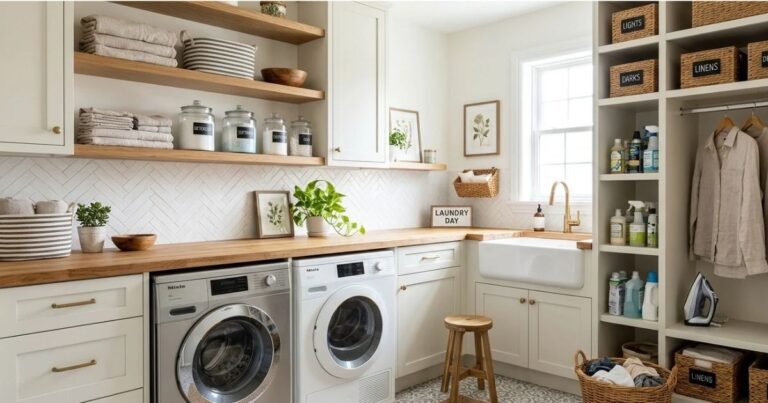

A Practical Space-Saving Solution for Modern Homes
When a small bedroom has to hold a bed, clothes, and everyday essentials, clutter can take over quickly. Thoughtful tiny bedroom ideas can make the room work harder without making it feel crowded.
This guide explores practical small space decorating ideas, from compact furniture to smarter storage, with inspiration for small house interior design and decor. Use these small bedroom design ideas to create a more comfortable, organized space that fits the way you live.
benefits of folding clothes
Folding clothes helps keep drawers and shelves orderly, making it easier to see what you own and find specific items. One of the benefits of folding clothes is that neatly folded garments can also take up less space than clothes left in loose piles, which is especially useful in shared closets or small storage areas.

The best method depends on the garment and where you plan to store it. Fold T-shirts and sweaters into compact rectangles for drawers, while jeans and casual pants can be folded lengthwise and then in half. Delicate or bulky pieces may benefit from a looser fold to reduce creasing. Learning a few types of folding clothes and choosing the right technique for each can make laundry easier to put away and help keep your storage spaces tidy.
Material Quality and Durability
Durability is a material’s ability to withstand regular use and exposure over time without losing its function or becoming unacceptably worn. In practical terms, the durability meaning depends on what a product is expected to handle: pressure, moisture, abrasion, temperature changes, or other conditions. A useful definition for durability should therefore consider both the material and the environment where it will be used.

Durability materials vary by application, and no single material is best for every purpose. When comparing options, consider the stresses a product will face and how much maintenance it may require. Durability in a sentence: “The metal frame was chosen for its durability in a busy household.”
Rust Resistance
Steel can rust when iron reacts with oxygen and moisture, so even coated or painted steel may rust if its protective layer is damaged. Stainless steel resists corrosion because its chromium content helps form a protective surface layer, but it is not rustproof: exposure to harsh conditions, surface damage, or contamination can still lead to rust in stainless steel.
Not in the same way as steel, because brass contains no iron to form iron oxide. It can still corrode or tarnish over time, changing color as its surface reacts with its environment. The right material depends on the conditions it will face and the type of surface change you need to prevent.
Installation and Usage Considerations
Navien tankless water heater installation should follow the instructions in the manual for the exact model. Have a qualified professional verify the site, fuel and water connections, venting, clearances, and applicable local code requirements before work begins. Because these details vary by model and location, use the Navien tankless water heater installation guidelines rather than relying on general instructions to install a unit. [Add model-specific clearance, venting, and connection requirements.]
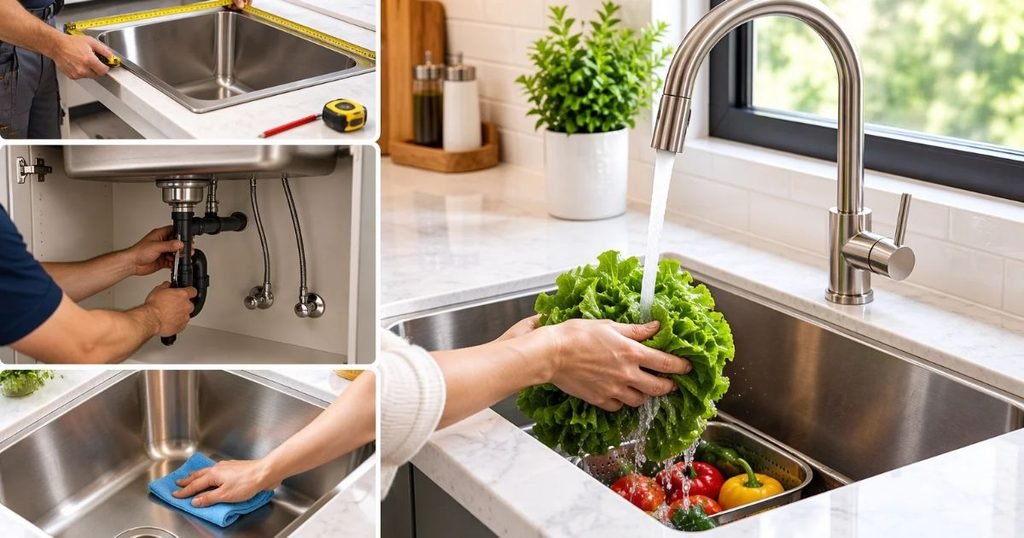
Before using the heater, confirm that installation and startup have been completed according to the manual, and review its operating and maintenance instructions. Keep the manual available for routine care and troubleshooting; if a warning appears or the unit does not operate as expected, follow the model’s guidance and contact a qualified technician when needed.
Environmental and Economic Advantages
Environmental economics examines how economic choices affect natural resources and how environmental costs can be considered in decisions. By weighing potential benefits such as cleaner air or more efficient resource use against costs, this field can help policymakers, businesses, and communities compare options. Understanding environmental economics also helps assess the specific effects of policies or projects, so conclusions should be grounded in relevant local data.

Environmental economists use economic tools to study these tradeoffs, evaluate policies, and estimate how people and organizations may respond to incentives. For someone exploring an environmental economist career, this work can bring together economics, environmental science, and data analysis. The same practical focus carries into the questions that shape environmental policy: which outcomes matter, who bears the costs, and how results should be measured.
Cost-Effectiveness
Cost-effectiveness compares the resources required for an intervention with the outcomes it produces. An option may cost more but still be considered cost-effective if it delivers enough additional benefit relative to the alternative. The conclusion depends on the perspective, outcomes, time frame, and comparison used, so those assumptions should be stated clearly.
A common measure is the incremental cost-effectiveness ratio (ICER): the difference in costs between two options divided by the difference in their outcomes. In plain terms, the ICER estimates the additional cost for each additional unit of benefit. Understanding cost-effectiveness through this measure helps compare different options. It does not, by itself, determine whether an option is worth adopting; decision-makers interpret it in context, including the relevant budget and decision threshold.
For background, a Google Scholar search for “cost-effectiveness analysis” or “incremental cost-effectiveness ratio” can help locate scholarly articles. A research scholar Google search can also help find relevant academic studies and publications. Review each study’s methods and assumptions rather than relying on its title or abstract alone; search results may also vary with the terms used. This groundwork makes it easier to judge whether a published finding applies to the decision at hand.
Varieties and Features
Variety means a state of being different or diverse, or a selection of different things. The best variety synonym depends on context: “diversity” emphasizes differences, “assortment” suggests a collection of options, and “range” points to the extent of available choices. A variety thesaurus can help surface alternatives, but check each word’s meaning before substituting it.

The pronunciation is usually written as vuh-RYE-uh-tee. In a sentence such as “The store offers a variety of fruit,” the word refers to several kinds or options. In “The variety of opinions was striking,” it describes diversity. These distinctions make it easier to choose among synonyms for variety without changing the intended meaning.
Maintenance Tips
A simple house maintenance checklist can help homeowners stay ahead of routine tasks. Check smoke and carbon monoxide alarms, replace HVAC filters as needed, and look for leaks under sinks and around appliances. Outdoors, clear debris from gutters and inspect the home’s exterior for loose or damaged areas.
For apartment residents, maintenance of apartments often means handling smaller checks and reporting issues promptly. Keep drains clear, test alarms, and contact building management about leaks, unusual odors, or malfunctioning fixtures. Whether you own or rent, a homeowners maintenance checklist or a shared version tailored to your space can make it easier to track tasks and follow up on repairs.
Choosing the Right Foldable Clothesline
When choosing a retractable outdoor clothesline, start with the space where you plan to hang laundry. Measure the distance between potential anchor points and consider whether the line will be easy to reach, clear of walkways, and positioned where clothes can dry without getting in the way. Check the product’s stated line length and installation requirements before you buy; a retractable clothesline outdoor setup is only useful if it fits your space and can be mounted securely.

Think about how much laundry you typically hang and how often you’ll use the line. Compare the manufacturer’s guidance on capacity and care, and consider whether the line retracts neatly when it’s not in use. For an outdoor laundry line exposed to changing weather, review any care or storage recommendations so you can choose a model that suits your routine.
Conclusion
Making a home feel more spacious starts with using each area intentionally. Take stock of where clutter builds up or floor space goes unused, then choose a space-saving solution that fits your household’s needs and daily routines. A few thoughtful changes can make a home more functional without requiring a bigger footprint.
FAQs
1. What is the space-saving solution?
The brief describes it as a practical space-saving solution for modern homes, but doesn’t specify what the product or service is. It focuses on making better use of available space while keeping the home organized, comfortable, and functional.
2. How does it save space?
The brief doesn’t explain how it saves space or how much space it may save. However, practical space-saving solutions can help use unused areas, reduce clutter, and create more room for daily activities.
3. Which rooms is it designed for?
The brief doesn’t identify specific rooms or settings. However, these solutions can be useful throughout the home, especially in smaller spaces where better organization and storage are needed.
4. What are its dimensions?
Dimensions aren’t provided in the brief. However, the ideal size would depend on the available space, room layout, and specific needs of the home.
5. Does it require installation?
The brief doesn’t say whether installation is required or how it works. However, some space-saving solutions are easy to set up, while others may need professional installation depending on their design and features.
6. What materials is it made from?
The materials aren’t specified in the brief. However, common materials for space-saving solutions include wood, metal, plastic, and engineered boards, depending on the product’s design and purpose.
7. How much does it cost?
Pricing isn’t included in the brief. However, the overall cost may depend on the materials, design, size, and any additional installation work required.
8. Where can I buy it?
The brief doesn’t provide purchasing or availability details. However, similar products may be found through online retailers, local furniture stores, and home improvement shops that offer practical storage solutions.