
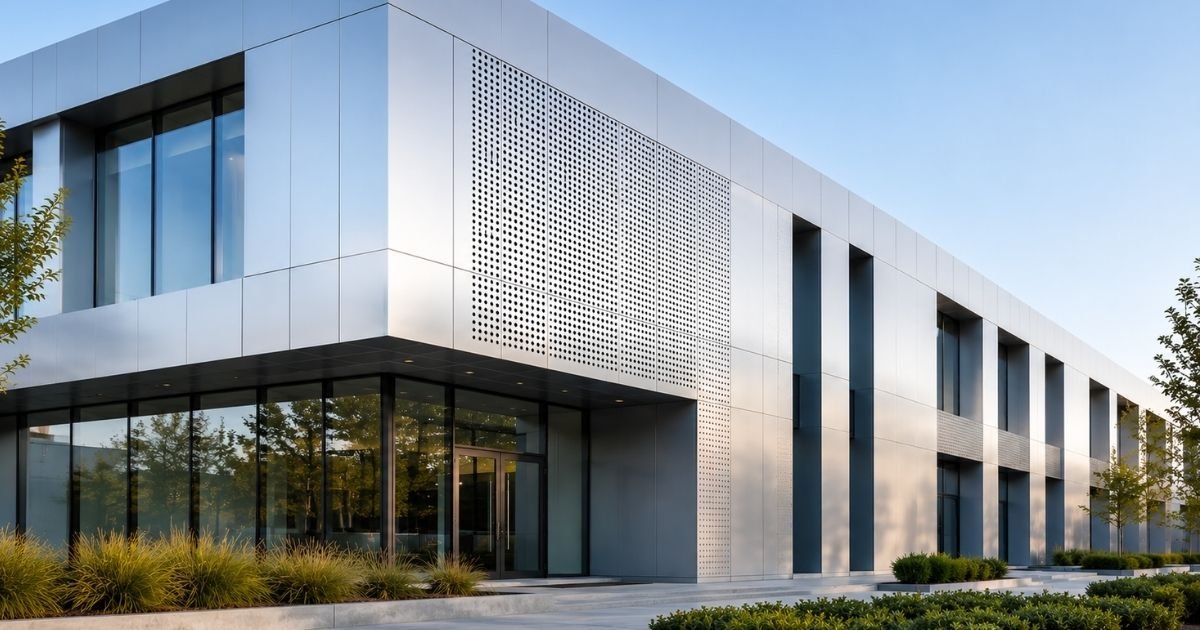
Choosing the correct materials isn’t just about aesthetics; it’s crucial for ensuring a durable and weather-resistant exterior that maintains its appearance over time. This choice not only affects the durability of your cladding but also how well it withstands environmental conditions over the years. These factors playing a key role, understanding which grade of aluminum cladding offers the best protection is vital for homeowners and builders alike. In today’s article, we’ll guide you through the various aluminum grades available, highlighting their performances under different environmental conditions.
Why Aluminum Grade Matters More at Commercial Scale
When it comes to commercial projects, the selection of aluminum grade is pivotal. Higher-grade aluminum offers better insulation properties, which can significantly enhance a building’s energy efficiency. This aspect is particularly crucial in large-scale applications where heating and cooling costs can spiral out of control.
The composite panels made from premium aluminum cladding not only provide these insulation benefits but are also designed to withstand harsh weather conditions, making them a long-lasting investment.
While the initial upfront cost may be higher, the long-term savings and sustainability achieved through excellent corrosion resistance and durability make it a wise choice.
Qualities Worth Specifying at This Level
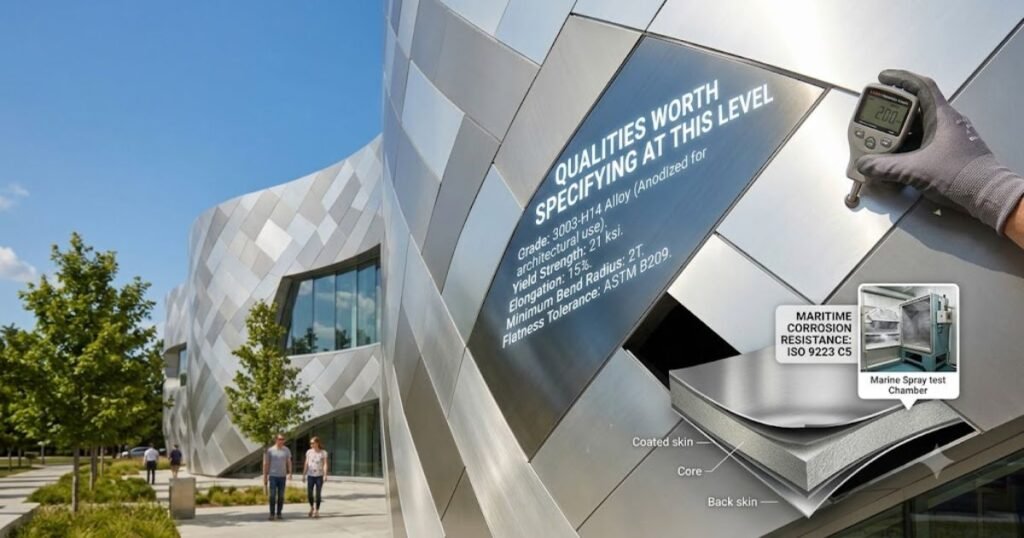
Commercial aluminum cladding offers excellent fire resistance, helping improve building safety and support compliance with modern building codes. It also provides outstanding UV and weather resistance, allowing buildings to maintain their appearance for years with minimal fading or surface damage. Its lightweight construction reduces structural load, making installation faster and more efficient.
Combined with low maintenance requirements and long-term durability, these qualities make commercial aluminum cladding a practical choice for both urban and rural developments.
Texture and Finish in a Commercial Context
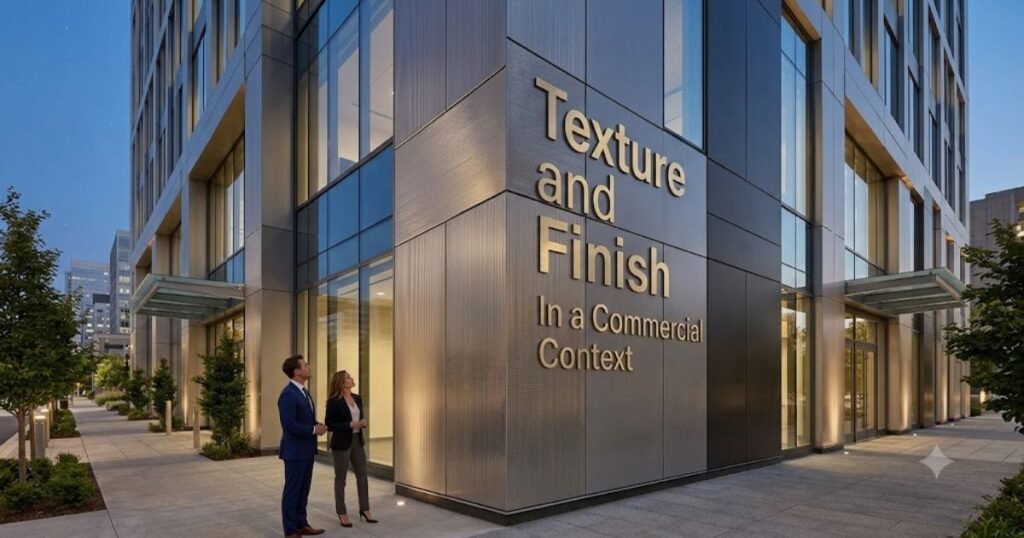
Texture and finish play an important role in the appearance of commercial buildings, where first impressions matter. Smooth architectural aluminum panels create a clean, contemporary look that enhances the overall facade.
Wood-effect cladding combines the natural warmth of timber with the durability of aluminum, creating a modern yet welcoming appearance.
Installation Systems at Commercial Scale
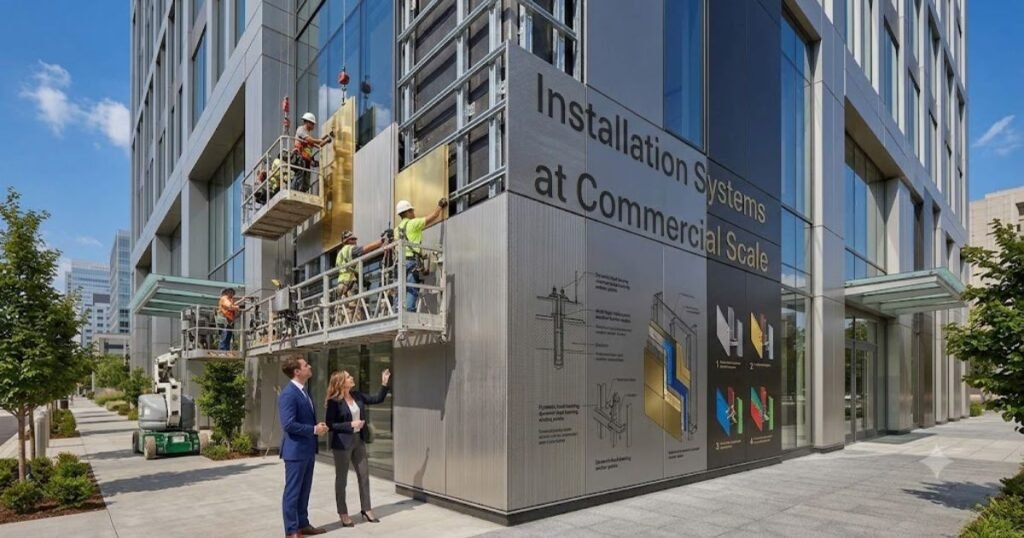
Modern modular cladding systems make commercial installation faster, more efficient, and easier to manage on large projects. Hidden fixing systems create a clean, seamless appearance by concealing screws and fasteners while also simplifying future maintenance.
Another major advantage is the use of replaceable panels. Individual panels can be removed and replaced without disturbing the surrounding cladding, reducing maintenance time and repair costs.
Conclusion
Selecting the right aluminum grade for cladding needs careful consideration of factors such as corrosion resistance, strength, and aesthetic appeal. Grades like 5005 and 3004 often stand out for their versatility and performance in various environments. It’s essential to match the aluminum grade with the specific requirements of your project to maximize longevity and efficiency.
FAQ
Q1. What makes commercial-grade aluminum cladding different from residential cladding?
Commercial-grade aluminum cladding is made for larger buildings and tougher conditions. It offers better strength, weather resistance, and long-lasting performance than residential cladding.
Q2. How long does commercial aluminum cladding last?
With proper installation and regular maintenance, commercial aluminum cladding can last for many years. It is designed to resist rust, fading, and harsh weather.
Q3. Is aluminum cladding easy to maintain?
Yes. Aluminum cladding requires very little maintenance. Cleaning it occasionally with water and a mild detergent is usually enough to keep it looking good.
Q4. Can cladding aluminum improve a building’s appearance?
Yes. It comes in different colors, textures, and finishes, allowing commercial buildings to achieve a modern and professional look.
Q5. Is commercial aluminum cladding a good long-term investment?
Yes. Although the initial cost may be higher than some other materials, its durability, low maintenance, and long lifespan make it a cost-effective choice over time.