
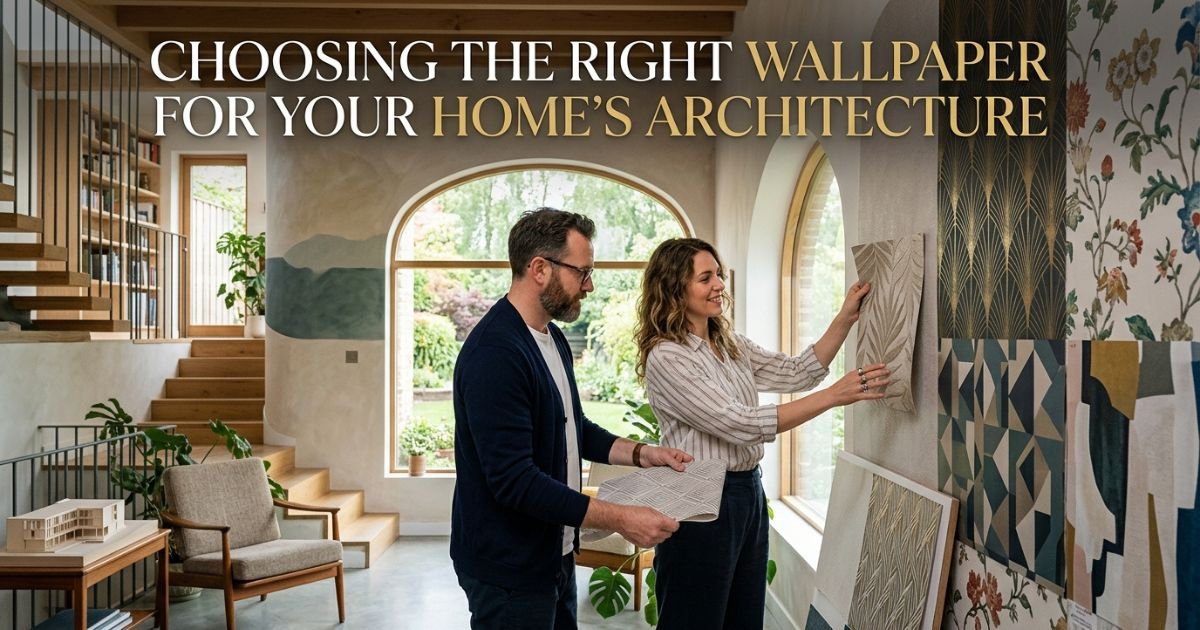
Choosing the Right Wallpaper for Your Home’s Architecture is an important part of creating a cohesive interior. We know that the right wallpaper can make a small room feel expansive or transform a dull space into a vibrant sanctuary. The importance of Choosing Right Wallpaper cannot be overstated; it has the power to enhance your space while addressing its architectural nuances.
Understand Your Home’s Architectural Style
Understanding your home’s architectural style opens a gateway to harmonizing interior design choices with the essence of your space. Each architectural style, from Colonial to Mid-Century Modern, carries unique characteristics that can greatly influence your decor. Paying attention to elements such as ornate trim, paneling, and overall layout allows you to select patterns and textures that feel natural within the context of your home. For example, traditional spaces often benefit from wallpaper that features classic motifs, while contemporary homes might favor bold geometrics.
When choosing wallpaper, consider how it complements architectural details like archways or crown molding. This synergy can transform a room, emphasizing the home’s inherent charm and narrative. The right selection not only beautifies but also enhances the structure’s story, creating a cohesive atmosphere.
Identify the Key Features of Your Space
When assessing your space, it’s crucial to pay attention to architectural details that define its character. Consider the ceiling height; a soaring ceiling can create an airy ambiance, making a room feel expansive. Incorporating large uninterrupted walls can serve as a perfect canvas for art or personal collections, allowing you to showcase your style without visual clutter. It’s in these subtle configurations that spaces can either thrive or feel cramped.
Windows and doors play a pivotal role in how a space feels and functions. Strategically placed windows invite natural light, enhancing mood and energy. Ensure these openings align with the flow of your layout to create a harmonious environment. Detailed trim around windows and doors can elevate the overall aesthetic, adding a touch of sophistication.
Match Wallpaper Patterns to Your Interior Style
When it comes to matching wallpaper patterns to your interior style, understanding the overall character of the space is crucial. Geometric, abstract, or minimalist designs can elevate contemporary spaces by creating a sleek, modern feel. These patterns work beautifully in open areas where light and space are the focus, allowing for bold, dynamic expressions that complement minimalistic furniture and sleek lines.
Conversely, for classic interiors, rich textures such as floral, damask, or traditional patterns infuse warmth and elegance. These intricate designs can evoke a sense of history and sophistication, making them ideal for spaces that seek to tell a story. When selecting your wallpaper pattern, consider how the chosen motif interacts with your existing decor. A well-matched pattern not only enhances the aesthetic but also harmonizes with the furniture and architectural features.
Choose the Right Wallpaper for Your Home’s Architecture
When selecting wallpaper patterns, understanding room size and proportions is crucial to creating a harmonious space. In smaller rooms, opting for subtle or continuous patterns can enhance the feeling of openness without overwhelming the architecture. Uninterrupted wall space allows for a serene backdrop, making the room feel larger and more inviting. Avoid busy designs that could clutter the visual field; instead, choose wallpaper looks that contribute to an expansive atmosphere.
In contrast, larger rooms offer more flexibility, allowing you to handle bigger patterns that can create impactful focal points. Bold geometric designs or large florals can fill the space dynamically, drawing the eye and lending a cohesive feel throughout the area. However, it’s essential to balance these larger patterns with furniture and decor that can hold their own amidst the visual drama.
Select the Right Pattern Scale for the Room
The scale of a wallpaper pattern should complement the size and structure of the room. Large-scale patterns can create a dramatic effect in spacious rooms with wide walls, while smaller patterns tend to work better in compact areas. If the room has detailed architectural features, a moderate or subtle pattern can prevent the space from looking overcrowded. Always consider the wall size and viewing distance to ensure the pattern feels proportionate rather than overwhelming.
Use Pattern Direction to Influence the Space
Pattern direction can subtly change how a room feels. Vertical designs can draw the eye upward, making ceilings appear taller, while horizontal patterns can make a narrow room feel wider. Directional motifs can also guide attention toward architectural features such as a fireplace, accent wall, or doorway.
Coordinate Wallpaper With Architectural Features
When selecting wallpaper, it’s vital to think about how it interacts with existing architectural features in your space. A well-chosen wallpaper can not only enhance your room’s aesthetic but also frame built-in shelves and other details, creating a cohesive look that draws the eye. For instance, a bold print that echoes the shape of arched doorways can add depth and dimension, making architectural details feel intentional rather than an afterthought.
Opting for a subtle, textured wallpaper in monochromatic tones can soften sharp lines while complementing intricate moldings or paneling. This combination allows architectural features to take center stage without overwhelming the room. Layering patterns or using contrasting textures can also emphasize unique elements; imagine a smooth, matte wallpaper contrasting beautifully with the intricate designs of a ceiling or wainscoting.
Highlight Doors, Windows, Alcoves, and Built-Ins
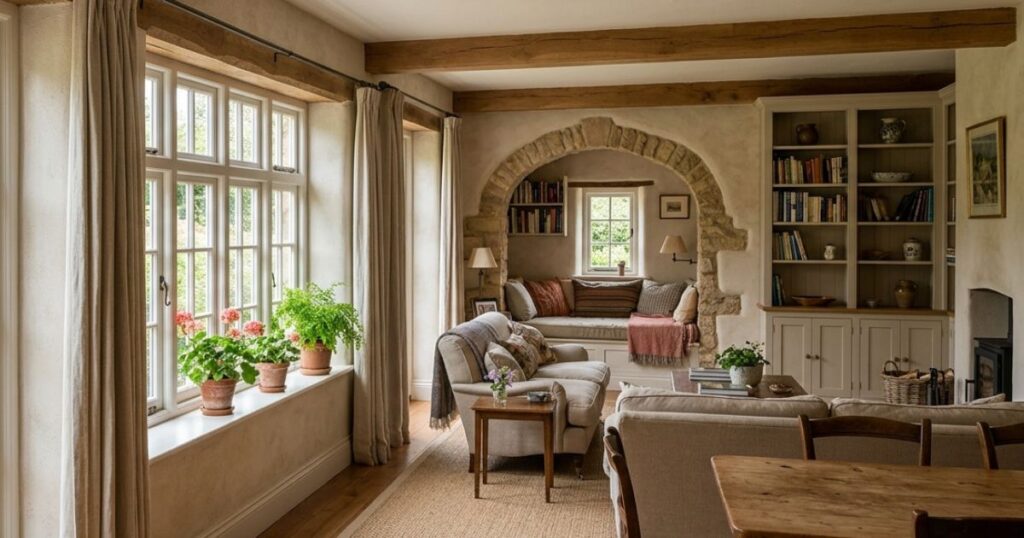
Wallpaper can be used strategically to draw attention to architectural features such as doors, windows, alcoves, and built-in shelving. A patterned design inside an alcove can turn an overlooked area into an attractive focal point, while a subtle wallpaper can frame windows or built-ins without distracting from them.
Work With Existing Moldings and Wall Details
Working with existing moldings and wall details can elevate a space while revealing its architectural story. Intentionally designed, these features offer a polished foundation to build upon, giving you the opportunity to highlight their unique character. For instance, ornate molding can serve as a stunning focal point in a room, seamlessly blending period charm with modern decor elements. By choosing complementary colors and textures, you can showcase the intricacies of wainscoting and other architectural detailing without overwhelming them.
Embracing existing moldings also encourages a thoughtful approach to renovation, marrying the past with present-day aesthetics. Instead of covering them up, consider how to enhance their presence through careful selection of furnishings and accessories, creating a cohesive narrative throughout your design. Thoughtful lighting can further accentuate these details, casting shadows that bring out the depth and craftsmanship of each piece.
Balance Color, Light, and Texture
Crafting a harmonious interior relies on a balanced combination of color, light, and texture to create a captivating atmosphere. Imagine incorporating separate elements like richly textured fabrics and vibrant hues against the backdrop of plain walls; this not only adds dimension but transforms the entire aesthetic. Sunlight streaming through a window can breathe life into these choices, amplifying the vibrancy of existing colors and enhancing the tactile qualities of furnishings.
Working with existing moldings and wall details can elevate a space while revealing its architectural story. These intentionally designed features offer a polished foundation to build upon, allowing you to highlight their unique character. For example, ornate molding can serve as a stunning focal point in a room, seamlessly blending period charm with modern decor. When curated thoughtfully, elements of artificial lighting can further accentuate this dynamic, casting shadows that play off textures and creating visual intrigue.
Use Texture and Finish to Add Depth
Incorporating texture and finish can dramatically enhance the visual appeal of any space, turning ordinary rooms into striking showcases of design. For instance, when layering textures, consider pairing a plush area rug with sleek furniture to create a cohesive result that invites touch and interest. Bold patterns in textiles can juxtapose beautifully against plain walls, adding depth and intrigue without overwhelming the senses. This approach allows existing flooring to serve as both a backdrop and a highlight, enhancing the overall aesthetic.
Subtle metallic accents, whether in furniture finishes or decorative elements, can also amplify this effect, casting reflections and creating a visually richer environment. These elements not only draw the eye but also add an element of sophistication, elevating the overall design.
Select Wallpaper for the Room’s Function
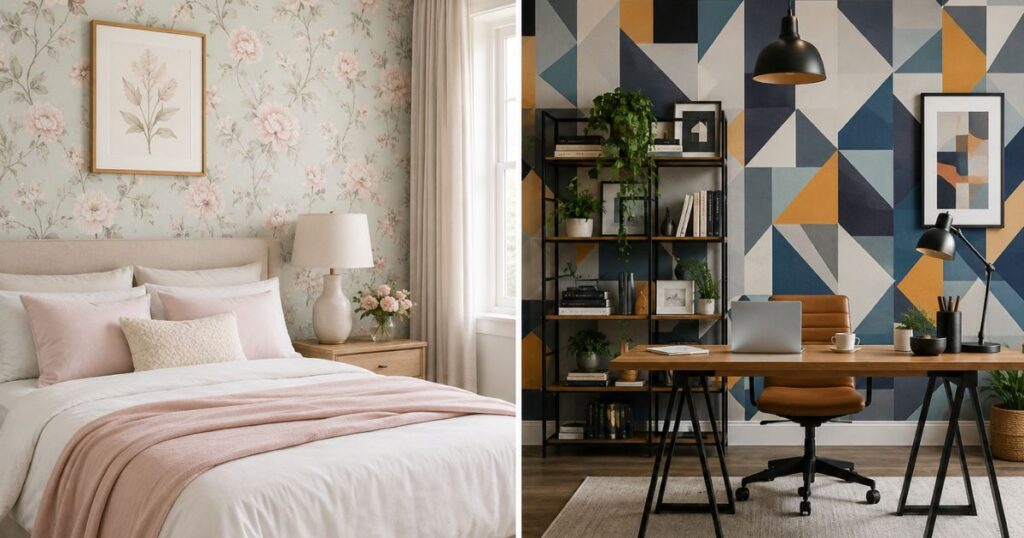
Wallpaper should suit not only the room’s style but also how the space is used every day. Bedrooms, living rooms, dining areas, and hallways may have different practical needs, so consider factors such as durability, moisture, cleaning, and everyday wear. A delicate textured wallpaper might be ideal for a quiet bedroom, while a more durable, washable option can be a better choice for busy areas. Choosing wallpaper based on function helps maintain both its appearance and performance over time.
Choose Practical Options for High-Use Spaces
In high-use areas, where foot traffic and daily activities can take their toll, choosing practical options becomes essential. The room’s architecture plays a significant role in determining how easily these spaces can be both functional and stylish. Opting for hard-wearing wallpaper not only adds personality but also helps to disguise minor marks and scuffs that accumulate over time. This choice can elevate a room’s style while ensuring it withstands the rigors of daily life, particularly in homes brimming with frequent guests.
Beyond aesthetics, durability is key. Selecting durable and washable options simplifies maintenance, allowing homeowners to keep their spaces looking fresh and inviting. Fabrics and surfaces that were once deemed off-limits for high-traffic zones are now designed to deliver both resilience and beauty. By prioritizing materials that are easier to clean without sacrificing elegance, you create an environment that effortlessly blends practicality with a refined aesthetic — proving that high-use areas can indeed be both functional and visually appealing.
Consider Durability and Maintenance
When selecting wall coverings, the consideration of durability cannot be overstated. For spaces that experience minimal use, like an intimate reading nook, delicate materials might suffice. However, in high-traffic areas, opting for washable and scrubbable wallpapers is essential. This not only ensures longevity but also simplifies maintenance, allowing stains and scuffs to be easily addressed without sacrificing aesthetics.
Maintenance goes hand-in-hand with the specific manufacturer’s care instructions, which often provide valuable insights into the best cleaning practices. Regular cleaning tailored to your wallpaper type can prevent build-up and discoloration over time. This attention to detail not only enhances the wallpaper’s lifespan but keeps your space looking fresh and inviting. By thoughtfully considering both durability and maintenance, you can create an attractive environment that withstands the tests of time and use. will help your walls maintain their appearance for longer.
Create a Cohesive and Timeless Look
Creating a cohesive and timeless look in your space enhances your home’s character, making it an inviting retreat. Begin by selecting a palette of balanced colors that resonate with the ambiance you wish to cultivate. Each element you introduce should support this vision; whether it’s a soothing neutral or a vibrant accent, the colors should harmonize rather than overwhelm. Layering classic patterns can provide depth and interest while maintaining simplicity — think timeless stripes or floral prints that compliment rather than compete.
A variety of textures enriches the design, adding a tactile dimension that engages the senses. Well-chosen wallpaper can act as a striking backdrop, setting the tone for the entire room. When you curate your furnishings and decor around these fundamental elements — color, pattern, and texture — you create a natural part of your home’s narrative. Emphasizing cohesion not only reflects your personal style but also ensures longevity, allowing your space to evolve without sacrificing its essence.
Avoid Common Wallpaper Mistakes When Choosing the Right Wallpaper
One of the most common wallpaper mistakes is failing to consider the room’s size and lighting. A bold, dark pattern can overwhelm a small space and create a sense of visual clutter, while lighter hues can make it feel more open and inviting. Always take the time to assess how the natural light interacts with your chosen wallpaper; a design that looks striking in the store may feel entirely different in your home. By doing so, you will ensure a more cohesive result that enhances the overall atmosphere of the room.
Avoid the pitfall of using competing patterns within the same space. Mixing designs can be visually stimulating, but if not done thoughtfully, it can lead to chaos rather than harmony. Stick to one statement wall or a unified color palette to create a more cohesive feel. This not only simplifies your design choices but also prevents you from making costly changes down the line when mismatched elements clash in unexpected ways. Simple mistakes in pattern selection can easily turn your décor into a confusing visual puzzle rather than a well-composed artwork.
Conclusion
Choosing the right wallpaper for your home’s architecture can transform each room while complementing its size, layout, lighting, and architectural features. By selecting patterns and colors that work with your space, you can create a stylish, balanced, and inviting home that feels thoughtfully designed.
FAQ
1. How Do I Match Wallpaper to Room Size?
For small rooms, light colors and subtle or small-scale patterns can help create an open feel. In larger rooms, bold and large-scale patterns can add drama and prevent the walls from looking empty.
2. Should I Paper All Walls or Just One?
An accent wall is ideal when you want to create a strong focal point without overwhelming the room. Full-room wallpaper works well when you want a cohesive, immersive look that ties the entire space together.
3. How Do I Choose the Right Wallpaper for Different Rooms?
Consider the room’s purpose, lighting, and moisture level when choosing the right wallpaper for your home’s architecture. Soft or neutral patterns work well in bedrooms, while bold designs can add personality to bathrooms and powder rooms. Living areas often benefit from balanced patterns that complement the furniture.
4. What Type of Wallpaper Is Best for a Home?
Non-woven wallpaper is a versatile choice for living rooms and bedrooms because it is durable and easy to remove. Vinyl wallpaper is better suited to kitchens and bathrooms because it handles moisture and can be cleaned easily. Peel-and-stick wallpaper is useful for temporary applications and rental homes.
5. What Is the Difference Between Woven and Non-Woven Wallpaper?
Woven wallpaper contains textile fibers and often provides a rich, textured appearance, while non-woven wallpaper is made from a blend of natural and synthetic fibers. Non-woven wallpaper is generally easier to install, remove, and maintain.
6. What Type of Wallpaper Lasts the Longest?
Vinyl and commercial-grade wallpapers are among the most durable options because they are designed to resist moisture, stains, abrasion, and everyday wear. The lifespan also depends on installation quality, room conditions, and maintenance.
7. Which Is Better, Wallpaper or Paint?
Wallpaper offers patterns, textures, and visual depth that can transform a room, while paint is usually easier and less expensive to change. Wallpaper is a strong choice when you want a distinctive design, whereas paint may be better for simple, flexible interiors.
