
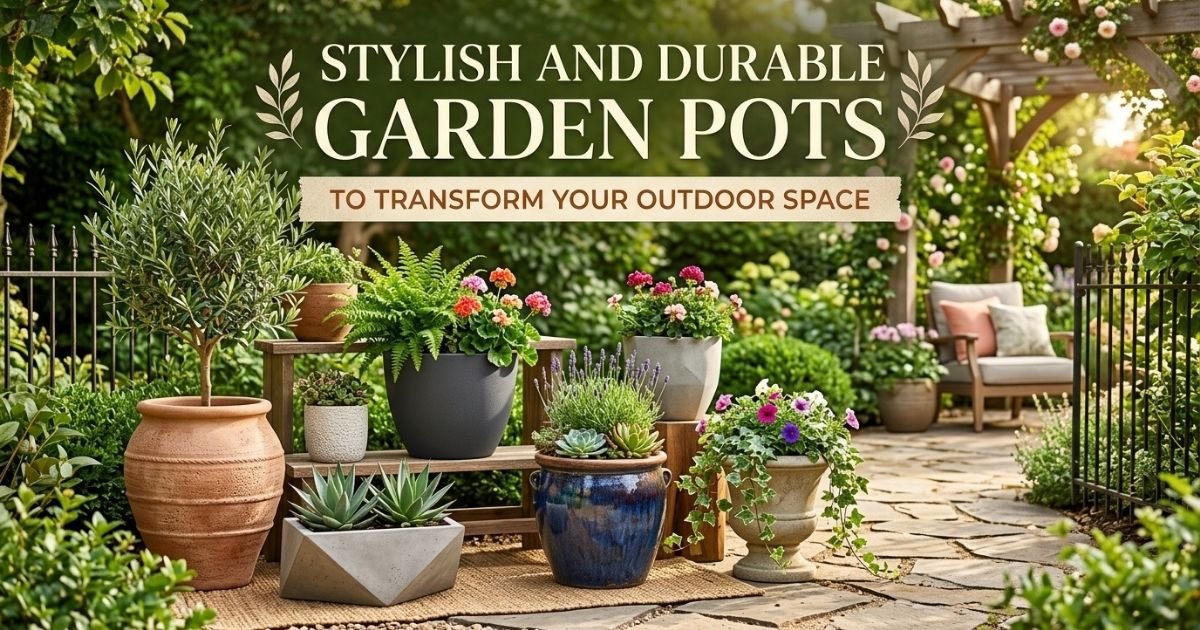
Garden Planter ideas can transform even the smallest balcony into a vibrant oasis. In today’s urban landscape, outdoor spaces whether they be compact balconies or spacious backyards are an extension of our homes. Stylish garden pots not only add color and character but also enhance the overall aesthetic of any outdoor area. In this article, we will discuss various terracotta designs and innovative ways to utilize garden pots that will elevate your outdoor experience.
Benefits of Using Garden Pots in Outdoor Spaces
Garden pots significantly enhance outdoor spaces by seamlessly blending architecture with nature. They serve as dynamic focal points, drawing the eye and elevating the overall aesthetic of decks, patios, and balconies. Larger pots, including stylish garden pots for outdoor space, can anchor a design, providing a robust counterbalance to architectural features and helping to create a harmonious environment.
By placing pots in sheltered areas, you can create microclimates that encourage plant growth, ensuring garden vibrancy even in challenging weather. Their versatility allows homeowners to introduce color and texture in ways that traditional garden beds simply cannot achieve.
Add Color and Personality to Your Outdoor Space
Transforming your outdoor space into a vibrant oasis starts with the strategic use of color and texture. In a contemporary setting, sleek modern designs can be enhanced by incorporating bold ceramic pots that inject personality and flair. Pairing different plants not only adds depth but also encourages a dynamic interplay of colors and foliage.
By thoughtfully combining these elements, you can craft a unique sanctuary that resonates with both style and warmth. Choose pots in striking hues like deep blue or bright yellow to serve as focal points amidst the greenery. Their glossy finishes can beautifully contrast with the organic shapes of your plants, creating a visually stimulating atmosphere.
Create Flexible Plant Displays
Creating flexible plant displays offers a dynamic way to enjoy gardening while adapting to seasonal shifts and varying outdoor conditions. One of the biggest advantages of using potted plants is their mobility; they can be easily moved, rearranged, or replaced as needed. This is particularly beneficial during harsh weather conditions.
As seasons change, some plants thrive while others may wilt, making it essential to have versatile displays that can adapt to these fluctuations. By designing displays that can be modified, gardeners can ensure that their outdoor activities remain vibrant and engaging throughout the year.
Choosing the Right Size and Material for Your Garden Pots
When selecting garden pots, size and material can dramatically influence your planting success and aesthetics. Materials also play a pivotal role in the overall health of your garden. Resin and fiberglass pots are lightweight yet durable, ideal for balancing portability with style. Larger containers are essential for plants with extensive root systems, allowing for better nutrient uptake and stability.
Terracotta pots offer excellent breathability for plants like ornamental grasses, promoting healthy growth, but they can dry out quickly in hot weather. Conversely, compact plants thrive in smaller pots, which can also serve as stunning decorative elements in limited spaces.
Choose the Right Pot Size for Your Plants
Choosing the right pot size for your plants is crucial for their overall health and growth. A compact container can be ideal for smaller plants, allowing them to flourish without overwhelming their root system. When selecting a pot, consider not just the current size of your plant, but also its mature size and growth rate. An oversized pot may seem advantageous, but it can lead to excessive moisture retention, causing root rot and other issues.
Consider Drainage and Weather Resistance
Effective drainage is essential for any outdoor space, especially when considering the impact of temperature changes and weather resistance. When planning your landscape, incorporating drainage holes can be a game changer. These small additions help prevent excess water from pooling, which can lead to root rot or structural damage. By facilitating good drainage, you create an environment where plants and hardscapes can thrive, even under the harshest conditions
Different Types of Outdoor Garden Pots
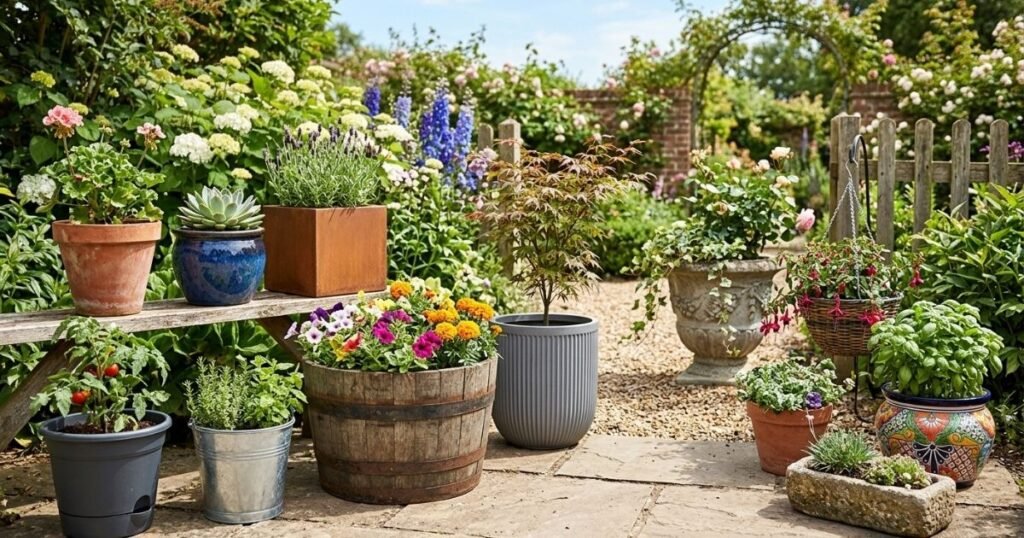
When it comes to enhancing outdoor landscapes, the variety of garden pots available can truly transform your space. Self-watering pots are among the most innovative options, providing a convenient solution for busy gardeners or those with balconies that may not always receive consistent sunlight.
Hanging planters also offer a delightful way for vertical spaces to display trailing vines and flowers, adding depth to patios and porches. Their varying designs, from minimalist to ornate, can create a striking visual impact. These planters feature built-in reservoirs that ensure plants receive the right amount of moisture, promoting healthier growth and reducing the frequency of watering.
Creating a Cohesive Look with Stylish Garden Pots for Outdoor Space
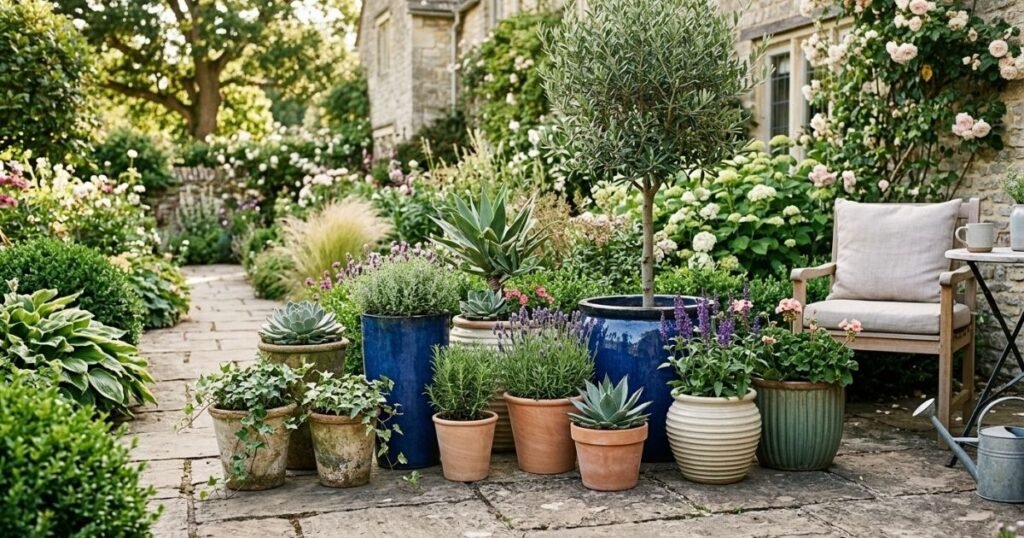
Creating a cohesive look in your garden involves thoughtfully integrating garden pots and outdoor décor to harmonize with your surroundings. Wooden furniture paired with neutral pots can enhance the overall aesthetic, allowing the natural greenery to shine. When selecting garden pots, think about a complementary color palette that ties in with your fencing and outdoor furniture, creating a tranquil atmosphere that feels intentional and welcoming.
Match Pots with Your Outdoor Furniture
When planning your gardening project, considering drainage and weather resistance is paramount to ensuring a thriving environment for your plants. Seasonal temperature fluctuations can lead to varying moisture levels in the soil, making it crucial for your container or garden bed to allow excess water to escape. Options like treated wood, metal, or even certain types of synthetic materials can withstand extreme temperatures and resist rot, reducing the need for frequent replacements.
A soil saturated with water not only suffocates plant roots but also invites diseases that can devastate your green space. Utilizing a high-quality potting mix that promotes drainage can significantly affect the health of your plants, especially during heavy rain or rapid snowmelt.
Mix Different Sizes, Shapes, and Textures
Mixing different sizes, shapes, and textures in your space can transform an ordinary setup into an intriguing focal point. When you incorporate wider pots alongside slender vases, you create a dynamic layering effect that captivates the eye. This layered appearance softens the harshness of straight lines often found in modern decor, inviting a sense of warmth and creativity. Each unique element contributes to a harmonious color palette while drawing attention to the individual characteristics of your decor.
Use Color and Repetition for a Balanced Look
Color and repetition are powerful tools in landscape design, particularly when it comes to outdoor features. Utilizing contrasting containers can create a striking visual rhythm, drawing the eye and leading it through your space. Choose a primary color and carry it through various design elements think cushions, umbrellas, or even the seating itself to tie the entire setting together in a visually pleasing manner.
A series of planters that alternate colors or patterns; this not only adds dynamism but also establishes a cohesive aesthetic. By strategically placing these containers around your outdoor furniture, you generate focus areas that enhance the overall ambience while promoting harmony.
Enhancing Privacy with Tall and Strategic Planters
Tall and strategic planters serve as effective tools for enhancing privacy in outdoor spaces while adding visual intrigue. Arranging planters at different heights offers a dynamic look that not only defines areas but also creates an inviting atmosphere. By combining pots of varying sizes, you can establish a layered effect, transforming seating spaces into intimate retreats.
A garden planter with upright plants such as bamboo varieties and dense ornamental grasses further enriches this privacy-enhancing strategy. These plants thrive in taller planters, allowing for robust growth that shields views while still allowing light through. The result is a lush, green screen that encourages relaxation and socializing, whether it’s a casual get-together or a lavish dinner party. Positioning taller containers along the edges of patios or near outdoor dining areas brings a natural visual barrier that complements your surroundings.
Seasonal Planting Ideas with Garden Planters for Year-Round Beauty
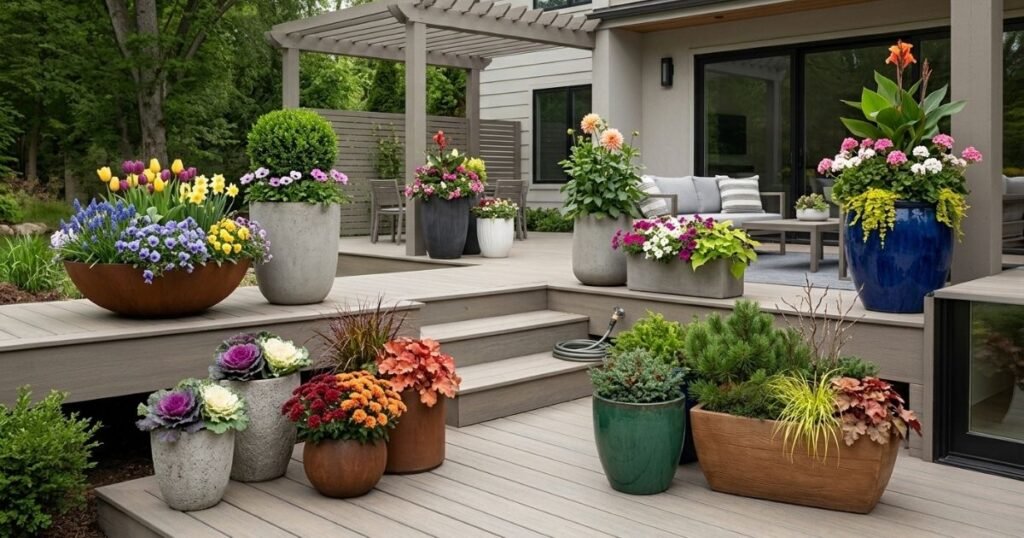
Changing the plants in your garden pots throughout the year can keep your outdoor space looking fresh and interesting. In spring, colorful flowering plants can brighten patios and entrances, while summer is a great time for heat-loving flowers, herbs, and foliage plants. For autumn, ornamental grasses, foliage plants, and seasonal flowers can introduce warm colors and texture.
Evergreen plants can provide structure during colder months, while decorative branches and weather-resistant accents can add interest when fewer plants are actively growing. Planning seasonal combinations also gives you an opportunity to refresh your outdoor décor without replacing all your pots. Choose varieties that suit the amount of sunlight your outdoor space receives.
Expert Tips for Maximizing the Impact of Your Garden Pots
To enhance the impact of your garden pots, consider seasonal combinations that create a dynamic visual experience throughout the year. Start by pairing heat-loving flowers with evergreen plants to ensure consistent color and texture, even as seasons change. For summer displays, blend vibrant annuals with ornamental grasses that sway gracefully in the breeze.
As colder months approach, switch out the vibrant blooms for foliage plants that maintain interest and provide structure during winter. Brighten your patio space by placing pots at varying heights this layering effect draws the eye and creates a more inviting atmosphere.
Conclusion:
Choosing the right garden planter ideas can refresh your outdoor space while beautifully showcasing your plants. With the right materials, sizes, and designs, you can create an inviting garden that reflects your style and lasts for years.
Garden Planter FAQs
1. What materials are commonly used for garden pots?
Common materials for garden planter ideas include ceramic, fiberglass, plastic, metal, and terracotta. Each material offers different benefits in terms of durability, weight, and aesthetics.
2. How do I choose the right size pot for my plants?
Select pots that allow for adequate root growth; consider the mature size of your plants. A general rule is to choose a pot that is at least 2-4 inches larger in diameter than the current size of the plant.
3. Are there specific pots recommended for outdoor use?
Yes, opt for pots designed for outdoor conditions, such as those made from UV-resistant materials or with drainage holes to prevent water retention and root rot.
4. Can I use garden pots for indoor plants?
Absolutely! Many stylish garden pots are suitable for indoor use, providing a beautiful way to enhance your indoor decor.
5. How do I ensure proper drainage in my garden pots?
Ensure that your pots have drainage holes, or you can add a layer of gravel or small stones at the bottom of the pot to promote water flow.
6. Are self-watering pots effective?
Yes, self-watering pots maintain a consistent moisture level, reducing the frequency of watering and helping to prevent over-or under-watering.
7. How do I maintain the appearance of my garden planters?
Regularly clean pots with mild soap and water to remove dirt and algae. For specific materials, follow care guidelines to preserve their finish.
8. Can I use decorative garden pots for growing vegetables?
Yes, decorative pots can be utilized for growing vegetables as long as they are the right size, have drainage, and can hold the required soil and nutrients.