
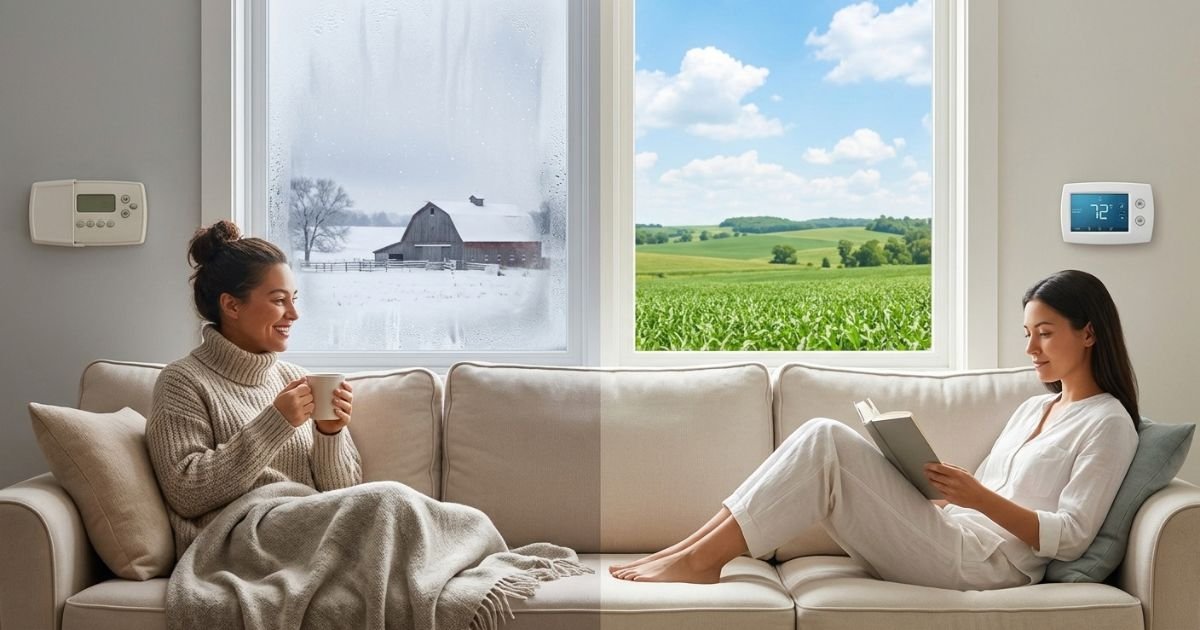
In Iowa, where temperatures swing dramatically from summer to winter, knowing the recommended thermostat settings in Iowa is crucial for maintaining comfort without breaking the bank. Keeping your home comfortable while minimizing energy costs, especially in Iowa’s fluctuating climate. Whether you’re looking for effective winter set thermostat strategies or the best recommended thermostat settings for summer, mastering these adjustments can lead to impressive savings. This article will provide you with actionable insights to optimize your thermostat settings year-round,
Set Your Thermostat in Winter
One of the most compelling reasons why winter is considered the best season is the opportunity it provides for introspection and rest. With longer nights and chillier days, the colder months invite us to slow down, retreat indoors, and take stock of our lives. This quieter time can foster creativity and personal growth. The magic of snow blanketing the landscape transforms ordinary scenes into picturesque moments, making it a perfect time for nature walks or winter sports.
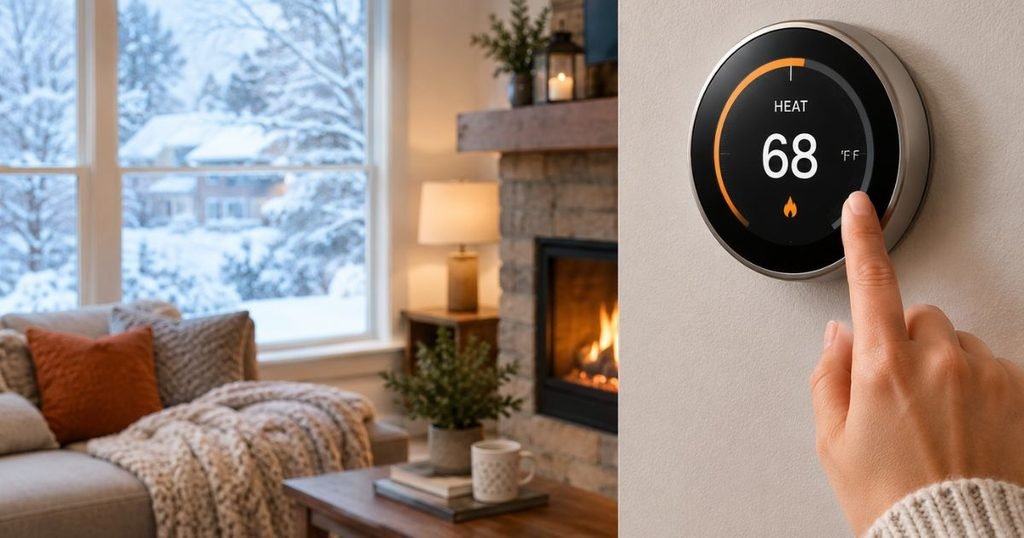
Winter casts a serene spell over the landscape, transforming everyday scenes into crystalline wonders. One of the most compelling reasons to like winter is the tranquility it brings. Set your thermostat during winter can also help maintain a comfortable indoor environment while you enjoy the peaceful season.
With snow blanketing the ground, the world feels quieter, as if nature itself is taking a deep breath. Winter offers unique seasonal activities that invite both adventure and leisure. Whether it’s gliding down snowy slopes, building snowmen, or simply enjoying the magic of holiday lights, the season is rich with opportunities for connection and joy. Taking a walk in the winter landscape feels refreshing and reviving.
Summer Thermostat Settings in Iowa
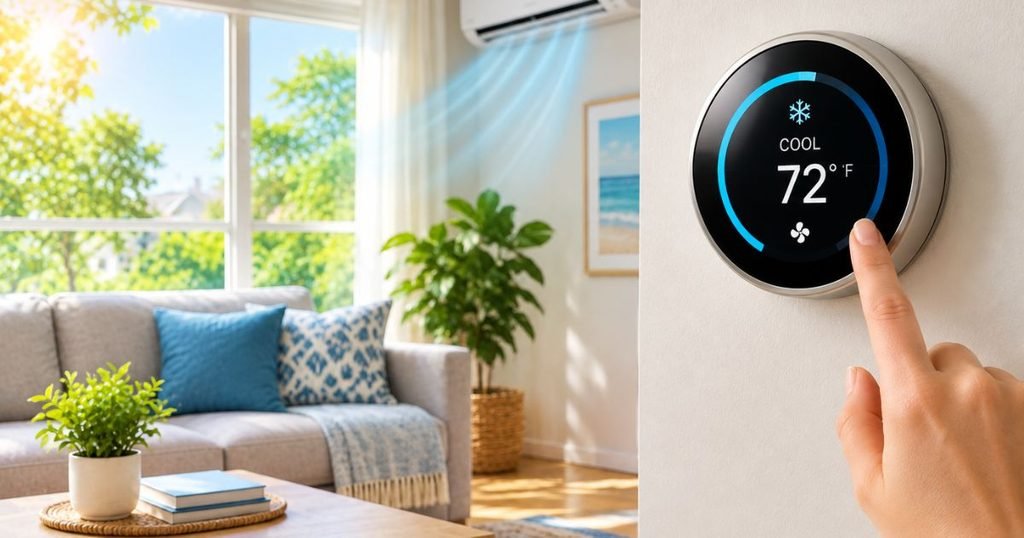
The summer season, starting around June 21st in the Northern Hemisphere, is a vibrant tapestry of experiences that extend beyond mere warm weather. As the days stretch longer, the energy of this season brings communities together. Thermostat during summer can help maintain a comfortable indoor environment while managing energy use. Festivals bloom in parks and squares, reflecting diverse cultures and traditions. This is a time when people step outside, reconnecting with nature, whether through beach outings, hiking in lush landscapes, or simply enjoying evening barbecues in the backyard. Summer is not just about recreation; it’s also a period of growth and renewal.
As the sun reaches its highest point in the sky, summer also serves as a critical reminder of our relationship with the environment. The warm months offer a chance to reflect on sustainable practices, from gardening to reducing energy consumption. By absorbing natural sunlight and reveling in the beauty of blooming landscapes, we can cultivate a deeper appreciation for our surroundings. Many farmers’ markets showcase local produce, inviting individuals to embrace seasonal eating. The abundance of fresh fruits and vegetables, from juicy watermelons to sun-ripened tomatoes, encourages a healthier lifestyle.
Use a Thermostat Schedule
Setting a thermostat schedule is one of the simplest yet most effective ways to optimize your home heating and cooling. Set your thermostat can help you program models like Honeywell to ensure your comfort while saving on energy costs. For example, during the day when the house is empty, you can set the temperature to conserve energy, and program it to warm up or cool down just before you arrive home.
Regular adjustments help your HVAC system operate more efficiently while also ensuring your home remains a comfortable haven regardless of outdoor conditions. This auto adjustment not only enhances your comfort but also contributes to a more eco-friendly household.
Humidity Matters More Than You Might Think
Many people tend to think of high humidity simply as a minor inconvenience, but it can profoundly impact our health, productivity, and even our mood. When humidity levels exceed around 60%, we often begin to experience discomfort sweaty skin, lethargy, and irritability become more pronounced.
Low temperature and high humidity create an atmosphere that can feel much colder than it truly is, leading to an increased risk of frostbite or hypothermia. What’s fascinating is how high humidity can impact us even in cooler temperatures. This chilling effect results from the body’s inability to regulate heat properly in moist air, prompting us to dress warmer than we might in drier conditions. Generally, levels above 70% are widely regarded as stifling, leading to an unpleasant atmosphere that makes everyday activities feel taxing.
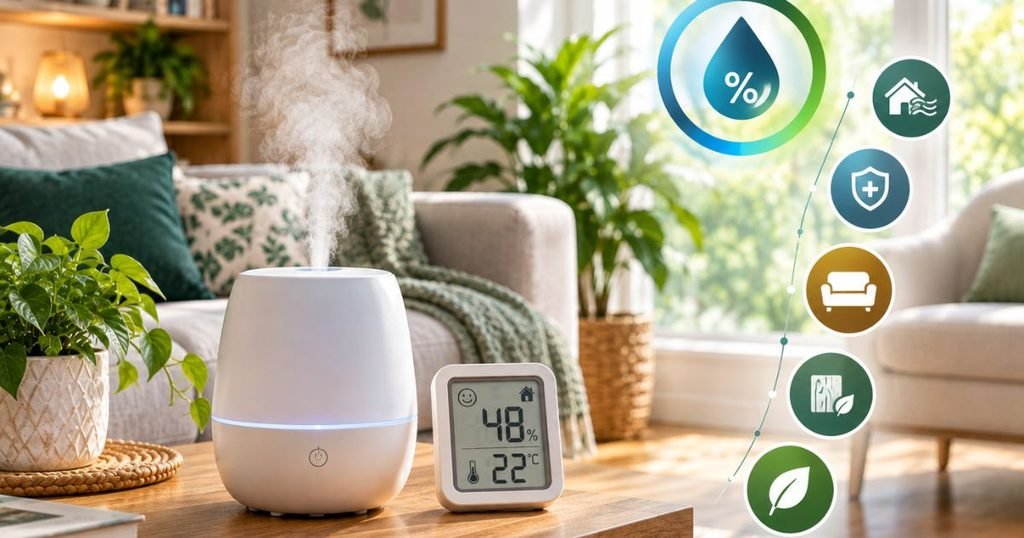
Understanding humidity isn’t just about comfort; it’s also essential for preserving our living environments. High humidity levels can encourage mold growth and dust mites, which can exacerbate allergies and asthma. Conversely, excessively low humidity below 30% can lead to dry skin and respiratory issues. By maintaining a balanced humidity level, ideally between 40% and 60%, we can create a more pleasant atmosphere while also ensuring our health and home remain in optimal condition. Cultivating awareness about humidity might just be the key to enhancing your overall quality of life.
Avoid Constant Temperature Changes
Frequent temperature fluctuations can take a toll on your health, triggering what many refer to as “cold shock.” Learning how to set your thermostat properly can help maintain a more consistent indoor temperature and reduce sudden temperature changes. When your body is abruptly exposed to drastically different temperatures, such as stepping from a warm indoor environment to the chill of a brisk winter day, it can lead to stress on your immune system.
Don’t Ignore HVAC Maintenance
Neglecting HVAC maintenance can lead to unforeseen expenses and lingering discomfort in your home. Regular air conditioner maintenance is not merely a checklist item; it’s an essential investment. Over time, dust and debris can accumulate in your system, reducing its efficiency and forcing it to work harder. This not only drives up your energy bills but can also shorten the lifespan of your unit, leading to costly repairs or premature replacements.
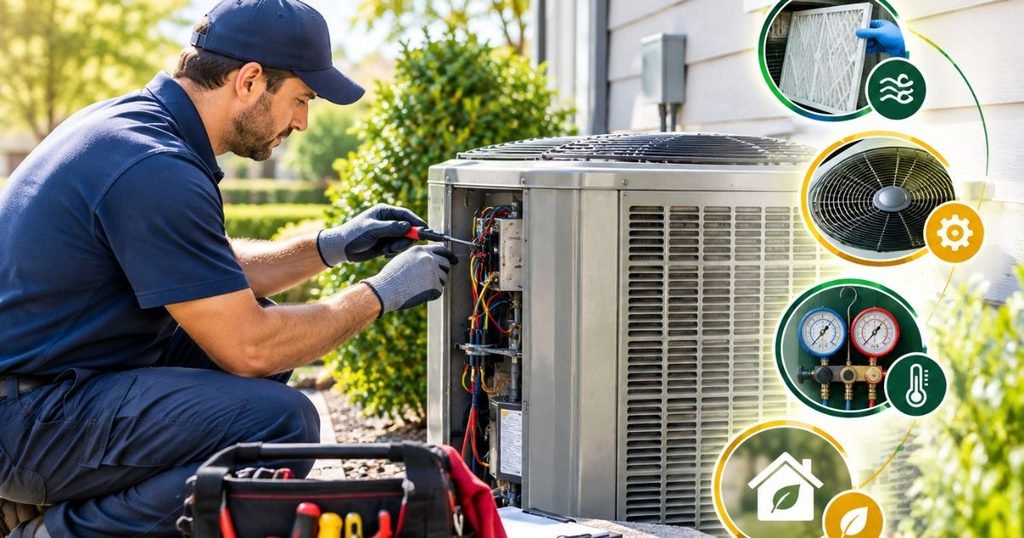
Annual air conditioner maintenance ensures that your cooling system runs smoothly when you need it most. A professional servicing can identify potential issues before they escalate, from faulty wiring to inefficient coolant levels. By prioritizing your HVAC maintenance, you not only extend the life of your air conditioner but also enjoy a more comfortable and healthier living environment.
Different Types of Houses in Different Countries
Exploring the myriad kinds of houses from around the world reveals the rich tapestry of cultural influences and climatic adaptations. For instance, the Japanese “minka” is a traditional farmhouse that beautifully blends with nature, featuring sliding doors and tatami mats, allowing for fluid indoor-outdoor living.
Moving to Europe, the “chalet” in Switzerland embodies cozy alpine living, characterized by its sloping roof and wooden construction, while the Spanish “casa” often features vibrant tilework and open courtyards, reflecting the region’s warm climate and social culture.
When the Thermostat Isn’t the Problem
When the thermostat isn’t the problem, drivers may be surprised to learn that other factors can lead to similar symptoms. For example, a car showing signs of overheating might have a malfunctioning water pump or a blockage in the cooling system, rather than a faulty thermostat. These issues can often masquerade as bad car thermostat symptoms; hence, understanding the entire cooling system is important for accurate diagnosis.
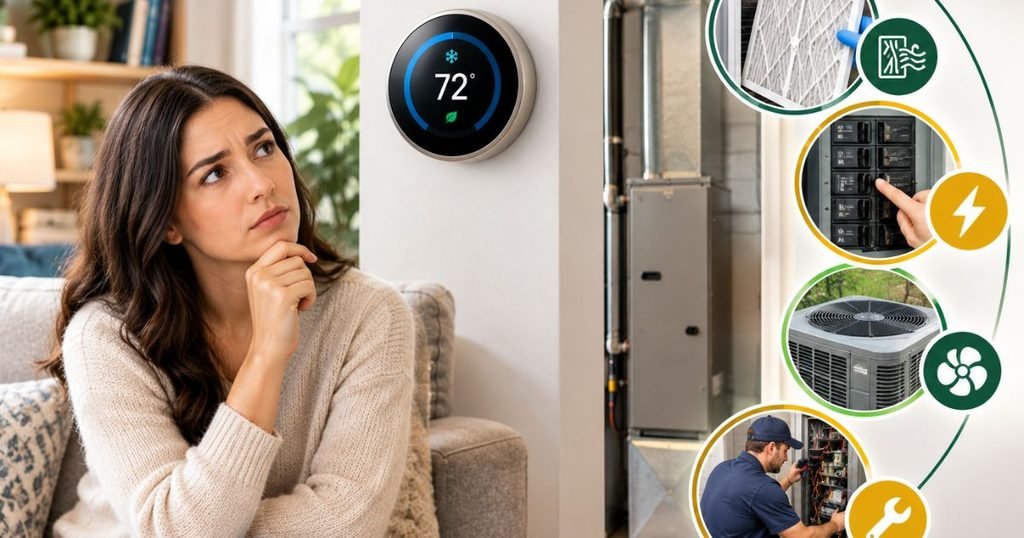
Paying attention to signs of bad car thermostat behavior, such as fluctuating temperature readings and unusual engine noises, can guide you toward other potential culprits. Before jumping to conclusions that the thermostat isn’t working, ensure to check coolant levels and the quality of the fluid itself. Low or contaminated coolant can lead to severe overheating, mimicking the effects of a defective thermostat.
Conclusion
Optimizing thermostat settings is a straightforward yet effective way to enhance comfort and save energy in Iowa. By setting your thermostat to 68°F during the winter and 78°F in the summer, you can create a comfortable living environment while significantly reducing energy consumption. It’s essential to also adjust these settings when you are away or sleeping to maximize savings.
FAQ
1. What is the ideal thermostat setting for summer in Iowa?
The ideal thermostat setting in summer is typically around 75°F to 78°F during the day, which balances comfort and energy efficiency.
2. What temperature should I set my thermostat in winter?
In winter, a setting of 68°F is recommended while you’re home. Lowering it to around 60°F while you’re away can help save on energy costs.
3. How much can I save by adjusting my thermostat settings?
By adjusting your thermostat by 1°F, you can save approximately 1% on your heating and cooling bills, potentially leading to significant savings over a season.
4. Is it more efficient to leave the thermostat at one constant temperature?
No, it’s generally more efficient to adjust your thermostat according to your schedule. Program it to higher while you’re away and lower during the night for optimal energy savings.
5. Can smart thermostats help with energy savings?
Yes, smart thermostats can improve energy efficiency by learning your schedule and adjusting settings automatically, which can further reduce energy bills.
6. Should I turn off my air conditioner during extremely hot days?
It’s not recommended to turn off your air conditioner completely on hot days. Instead, set it to a higher but comfortable temperature to prevent excessive strain on the unit.
7. How often should I check or adjust my thermostat settings?
You should check your thermostat settings at least once a month, especially during seasonal changes, to ensure they align with your comfort needs and energy-saving goals.
8. What are the benefits of using programmable thermostats?
Programmable thermostats allow you to set heating and cooling schedules based on your routines, which maximizes comfort and energy efficiency while minimizing unnecessary usage.