
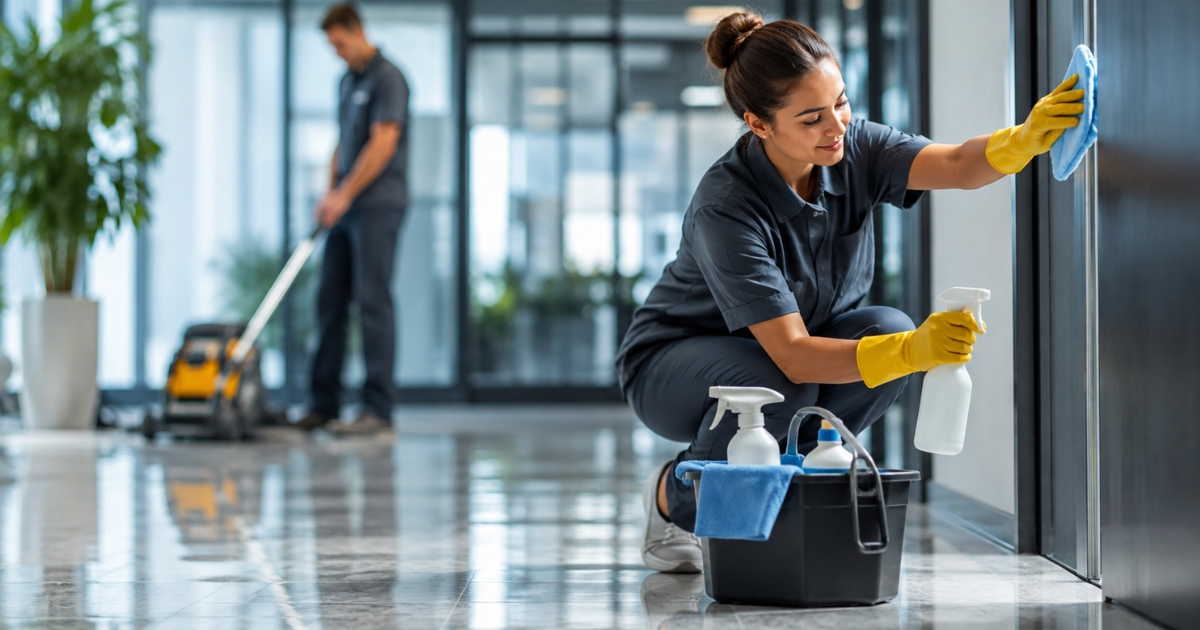
A dusty foyer or a sticky lift button does not just look bad, it changes how residents and visitors feel the moment they walk in. That is where strata cleaning services make a real difference, helping keep common areas clean, hygienic, and welcoming.
Whether you are a body corporate committee member comparing providers, a strata manager building a service schedule, or simply curious about what the term actually covers, this list is designed to be a practical reference you can come back to.
What is strata cleaning?
Strata cleaning refers to specialized cleaning and maintenance for multi-unit residential properties, such as apartment complexes and townhouses. The meaning of strata cleaning is maintaining a property where individual units are privately owned, while shared areas such as hallways, lobbies, lifts, stairwells, and recreational facilities are jointly managed and maintained under a strata scheme.
Unlike standard cleaning, which usually focuses on individual homes, strata cleaning covers these shared spaces, including entryways, car parks, driveways, rubbish areas, pools, and gyms. Keeping these areas clean helps prevent unpleasant odors, visible messes, and hygiene concerns that could affect residents and visitors.
Strata Cleaning Services For Common Areas
Most people’s first contact with a building is the main foyer, followed by the hallway that connects everything together, and often a small mailroom where residents collect their post. Larger complexes usually include a communal laundry for shared washing, along with a fire stairwell that every floor relies on in an emergency. Outdoors, a shared courtyard gives residents a bit of open space to enjoy.
Then there are the less glamorous but equally important zones. Bin storage areas hold everyone’s rubbish, a bicycle store offers shared parking for bikes, and some buildings even have a rooftop terrace as a bonus outdoor space. Underground, a basement corridor links different sections of the building, a loading dock handles deliveries and moves, and visitor parking gives guests somewhere to leave their car.
Residential Strata Cleaning Services
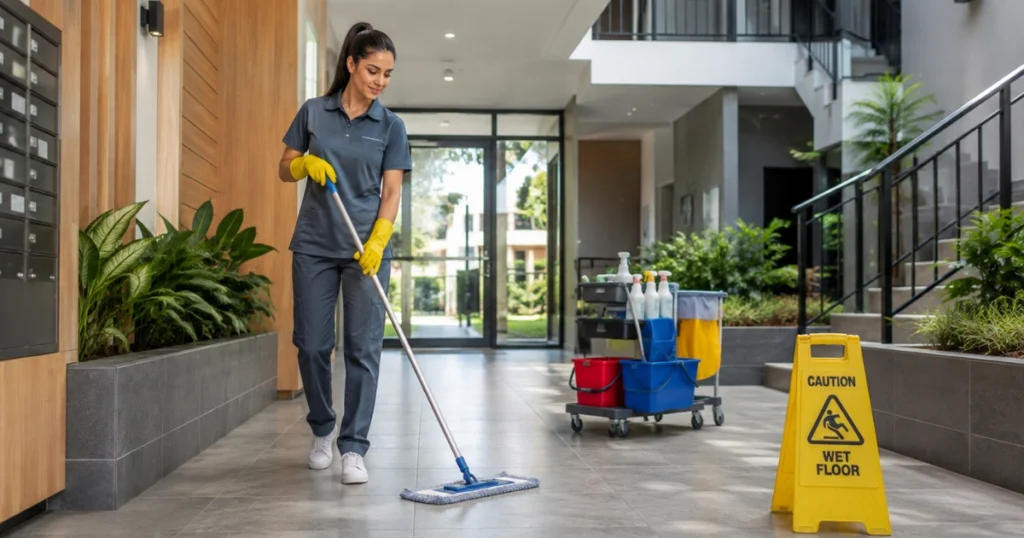
Apartment buildings, townhouse complexes and retirement villages each bring their own version of shared living space. In a typical apartment tower, residents pass through an apartment lobby before reaching their own unit corridor, and most will stop by the resident letterbox area at some point during the week. Townhouse complexes work a little differently, often built around a shared townhouse driveway that several homes use to come and go. Retirement communities tend to have their own social hub too, usually a retirement community hall where residents gather.
Families with children often make use of a playground zone, while pet owners appreciate having a dedicated pet relief area rather than using shared paths. A well kept garden pathway adds to the overall feel of a residential complex, and shared surfaces like a balcony common wall still need attention even though the balcony itself is private. Smaller but still important, the intercom panel and resident noticeboard keep communication flowing, and a storage cage corridor gives residents access to their extra storage space.
Commercial Strata Cleaning
Tenants and visitors typically enter through an office tower lobby, then move along a tenant corridor to reach individual suites. Just outside meeting spaces, a boardroom foyer often sees a steady flow of foot traffic, while deliveries and freight come through the loading bay. Many buildings also include a shared kitchenette where staff from different tenancies cross paths during the day.
Retail focused strata buildings often have a retail arcade connecting different shops, along with a security desk zone near the entrance. Behind the scenes, a server room corridor provides access to shared IT infrastructure, and every floor includes a fire exit landing as part of its safety plan. A tenant signage wall helps visitors find their way, and upstairs, a rooftop plant zone houses shared mechanical equipment, alongside the occasional bookable shared meeting pod.
Strata Cleaning Routine Tasks
These are the jobs that happen on nearly every visit, because high traffic areas get dirty fast. Entry points usually get the most attention first, starting with a glass door polish to remove fingerprints and smudges, followed by floor vacuuming and mopping to clear daily dust and debris. Because so many hands touch the same surfaces, a handrail wipe down and lift button sanitising are treated as near daily tasks in most buildings.
Skirting board dusting keeps wall edges looking neat, while spot cleaning deals with spills the moment they happen rather than letting them sit. Corners and ceilings get a pass with cobweb removal, mirrors receive a mirror cleaning to stay streak free, and shared bins go through regular rubbish bin emptying. Even small touches like entry mat shaking and a quick light switch wipe are part of keeping common areas genuinely presentable.
Strata Cleaning Specialised Services
Some jobs only need attention every few weeks or months, but they matter just as much for the building’s condition. Deeper jobs like carpet steam cleaning and window washing fall into this category, since they take more time and equipment than a routine visit allows. Outdoor surfaces often need pressure washing to shift built up grime, and if vandalism occurs, graffiti removal becomes an urgent specialised task. Damp affected areas call for mould treatment, while high spaces like fans and vents need high dusting.
Flooring that has seen years of wear may need a full strip and seal, and shared furniture benefits from occasional upholstery cleaning to stay presentable. Outdoors, gutter clearing and awning cleaning protect the building from water damage and general wear, while concrete sealing helps outdoor paved surfaces last longer. On rooftops with solar infrastructure, a periodic solar panel wash keeps panels working efficiently.
Strata Cleaning Maintenance Schedule
Most schedules start with a daily checklist covering the basics, supported by a weekly rotation for slightly less frequent jobs. Bigger jobs sit inside a monthly deep clean, with a broader quarterly review used to check whether the plan still fits the building’s needs. An annual audit rounds things out, giving committees a full picture of service quality over the year.
Good providers also build in flexibility. A peak season adjustment increases service during busier periods, while an off peak reduction scales things back when the building is quieter. An emergency callout covers anything unexpected, and a seasonal task list ties certain jobs to weather changes throughout the year. Everything gets tracked through a service log, discussed at a client review meeting, and organised through ongoing roster planning.
Strata Cleaning Services For Car Parks
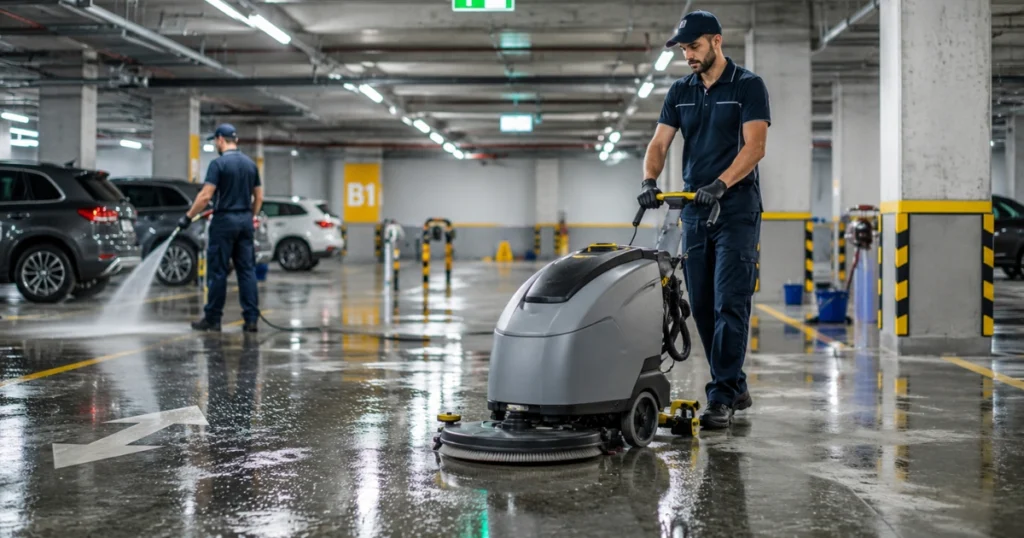
Underground and outdoor parking areas take a beating from vehicles, weather and daily foot traffic. Vehicle related mess is a constant concern, which is why oil stain treatment and a regular line marking wash are standard tasks, alongside ramp cleaning to clear debris from entry and exit points. Underground car parks also need ventilation dusting to keep airflow systems clean, and a boom gate wipe to sanitise shared entry equipment.
Pedestrians use these spaces too, so a pedestrian walkway sweep keeps footpaths within the car park clear, while drain grate clearing prevents water buildup after rain. Smaller details round out the job, including wheel stop cleaning, a routine signage wipe down, and lighting fixture dusting in dimmer corners. Structural surfaces get attention through concrete pillar wash, and a general rubbish sweep finishes the visit.
Strata Cleaning Lifts and Staircases
Two of the busiest zones in any strata building deserve their own dedicated attention. Inside the lift itself, lift floor mopping and a lift wall wipe are near daily necessities, alongside a lift mirror polish to keep reflective panels clear and a lift track vacuuming pass to stop debris jamming the doors. Staircases need similar care, starting with staircase edge cleaning along the nosing and corners, followed by a stairwell wall wipe to remove scuffs.
Flat sections between flights get a landing floor mop, while emergency lighting dusting keeps safety fixtures visible when it matters most. Carpeted staircases require stair carpet vacuuming, and because so many hands touch the same rail, handrail sanitising is treated as a priority task. Doors leading into stairwells get a fire door wipe, and individual step tread cleaning rounds out the detail work.
Strata Cleaning Lobbies and Foyers
First impressions form in seconds, and the lobby is usually where they happen. A reception desk wipe and entry glass polish are usually the first tasks completed, since these are the surfaces guests notice immediately. Lobby floor buffing restores shine to entrance flooring, while seating area dusting keeps shared waiting furniture looking cared for. Wayfinding elements like directory board cleaning also fall under this category.
Smaller details finish the job nicely. A planter box tidy keeps indoor greenery looking fresh, ceiling vent dusting clears overhead fixtures, and skirting detail work along the wall base ties the whole space together. Entry threshold cleaning addresses the doorway transition strip, a feature wall wipe maintains decorative surfaces, and an umbrella stand tidy keeps wet weather areas neat, finished off with lobby light fixture dusting.
Strata Cleaning Recreational Facilities
Pools, gyms and communal lounges add real value to a property, but only when they are properly maintained. Around the pool, pool deck cleaning clears debris from high traffic paved areas, while inside the gym, gym equipment wipe downs keep shared machines sanitary between uses. Heated spaces need sauna surface cleaning for hygiene, and shared entertainment spaces get a games room tidy after use. Outdoor cooking areas require a proper barbeque area scrub.
Sporting facilities are not forgotten either, with a tennis court sweep clearing leaves and debris, and a function room reset preparing shared event spaces for the next booking. Locker areas need change room sanitising and shower cubicle cleaning, while outdoor seating gets an outdoor lounge wipe. Safety barriers receive pool fence cleaning, and shared equipment is kept organised through recreation storage tidy work.
Strata Cleaning Waste Areas
Nobody enjoys thinking about the bin room, which is exactly why it needs consistent attention. Floors around rubbish chutes need regular chute room mopping, and shared enclosures benefit from periodic bin bay hosing. A recycling sorting check confirms bins are being used correctly, while odor control treatment manages smells that build up in enclosed waste zones. Pest deterrent placement helps reduce vermin near bin areas, and chute door sanitising addresses one of the most frequently touched surfaces in the building.
Ventilation also plays a role, with waste room vent dusting keeping airflow clean, and skip bin surrounds cleaning tidying the space around larger bins. Bulky item collection points need hard rubbish zone tidy work, and buildings with organic waste facilities require ongoing compost area upkeep. A simple bin lid wipe down and regular floor drain clearing finish the job.
Strata Cleaning Body Corporate Responsibilities
Behind every clean building is a committee making decisions about how that cleanliness gets funded and managed. It starts with contract negotiation, agreeing on service terms with a provider, followed by budget allocation to set aside the right funds. A thorough compliance check confirms the work meets safety standards, and committee reporting keeps owners updated on outcomes. Insurance verification confirms a contractor’s coverage is valid before work even begins.
When issues arise, dispute resolution helps handle complaints about service quality, while vendor selection ensures the right provider is chosen in the first place. A periodic contract renewal review reassesses the agreement, supported by clear owner communication about schedules and changes. Levy planning factors cleaning costs into owner fees, a regular performance review checks results against expectations, and emergency response planning prepares the committee for anything urgent.
Strata Cleaning Property Value
A well-presented building creates a positive first impression for potential buyers and can make the property more appealing to prospective tenants. Keeping shared areas clean and well maintained also helps the building stay ready for inspections, viewings, and future sales.
Appraisers notice the difference too, since valuation support becomes easier when a property is clearly well kept. Buildings with a strong tenant retention rate and a clear marketing advantage tend to experience reduced vacancy periods, which in turn builds owner confidence among investors. There is also a practical side, with insurance risk reduction tied to fewer neglect related claims, and a broader sense of community pride that spreads among residents.
Strata Cleaning Tenant Satisfaction
The move in impression a new resident forms often shapes how they feel about the building long term, and ongoing daily comfort in shared spaces reinforces that first impression. When residents are happy with the condition of their shared spaces, they are more likely to enjoy living in the property, renew their leases, and recommend it to others. Over time, this builds genuine community trust in how the building is run.
Even visitors form an opinion, contributing to overall visitor perception of the property, while clean common areas support a stronger sense of safety for everyone. Tidy shared spaces also encourage better neighbour relations, and satisfied residents tend to show a higher lease renewal likelihood. This often leads to word of mouth referrals, a reduced tenant turnover rate, and simply more everyday convenience for the people living there.
Strata Cleaning Hygiene Standards
Most professional providers follow a structured sanitising protocol, with a high touch point focus on handles, buttons and rails where germs spread fastest. To avoid spreading dirt between zones, cross contamination prevention relies on colour coded equipment, keeping cloths and mops separated by area. All products used must meet chemical safety compliance, and many buildings also monitor air quality management to reduce dust and allergens indoors.
During flu season, an illness outbreak response often increases cleaning frequency across shared touch points, supported by proper waste handling hygiene practices. Cleaners rely on protective equipment use for their own safety, and a surface disinfection log keeps a clear record of what has been sanitised. Buildings with pools also carry out water quality checks, while general allergen reduction efforts help minimise dust mites and mould spores throughout the property.
How Strata Cleaning Services Improve Cost Efficiency
The most obvious benefit is outsourced labour savings, avoiding the cost of hiring and managing an internal team, combined with bulk equipment access that comes from working with an established provider. This naturally leads to reduced overhead, since there is no need to manage cleaning supplies separately. Flexible service plans allow the schedule to scale with seasonal needs, and consistent upkeep brings preventative savings by avoiding expensive repairs down the line.
Administration gets simpler too, with consolidated invoicing replacing multiple supplier bills, and contract transparency removing the guesswork around pricing. Efficient scheduling cuts down on wasted time between tasks, and in some cases, shared resource pooling allows providers to service nearby buildings more cost effectively. Longer agreements often come with long term contract discounts, while consistent cleaning contributes to reduced liability costs and more energy efficient equipment use during service.
Strata Cleaning Equipment and Products
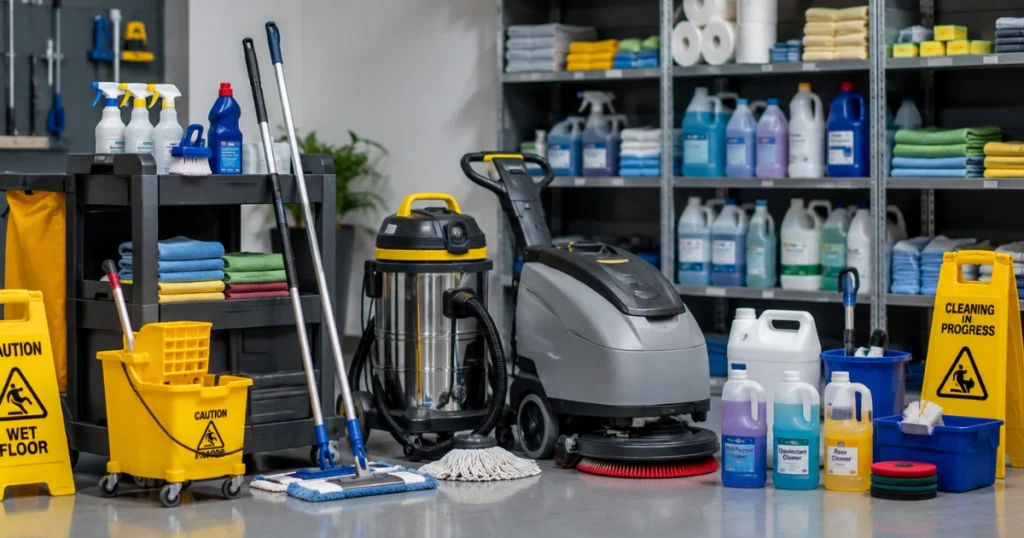
Large shared spaces are usually handled with a commercial vacuum, paired with microfibre cloths for streak free polishing. Most surfaces are treated with a pH neutral cleaner to avoid damage, while hard floors get a proper refresh from a floor scrubber. Outdoor areas rely on a pressure washer, and hard to reach ceilings are managed with extendable dusters.
To prevent cross contamination, many providers use a colour coded mop system, alongside an industrial squeegee for large glass surfaces. Waste areas benefit from an odour neutraliser, while high touch surfaces are treated with disinfectant spray. Carpeted areas get a deeper clean from a carpet extractor, and increasingly, providers are switching to biodegradable detergents for a more environmentally responsible approach.
Strata Cleaning Coastal Properties
Salt in the air leads to constant salt residue removal, and beachside buildings often need sand tracking control to manage what residents bring in from outside. Because grime builds up faster near the ocean, many coastal properties require increased pressure wash frequency, along with proactive corrosion prevention for metal fittings exposed to salt air.
Humidity brings its own issues too, making regular humidity related mould checks essential, alongside UV faded surface care for materials exposed to constant sun. Shared beach access pathway cleaning keeps routes to the shore usable, and outdoor furniture rinsing removes salt buildup from communal seating. Glass surfaces need window salt film removal, and after rough weather, storm debris cleanup becomes a priority. Coastal pools require saltwater pool system upkeep, while outdoor timber areas benefit from ongoing timber deck weatherproofing.
Strata Cleaning Inspection Process
Most inspections begin with a simple visual walkthrough, paired with a leak detection check to catch water damage before it spreads. Any gradual deterioration gets noted in a wear and tear log, while safety hazard identification flags trip and slip risks before they cause an incident. Many providers now support this with photographic reporting, documenting conditions before and after each visit.
When something needs fixing, a maintenance referral passes the issue to the right team, backed by compliance verification to confirm standards are being met. Regular equipment condition check reviews assess the state of on site tools and fixtures, and each job typically ends with a client sign off confirming the work meets expectations. Where issues remain, follow up scheduling arranges a return visit, supported by an ongoing quality assurance review and a genuine feedback loop that helps refine the service over time.
Strata Cleaning Services FAQs
1. What Does Strata Cleaning Services Actually Include?
It covers shared spaces only, such as the main foyer, lifts and staircases, car parks, and recreational facilities, rather than the inside of individual units or offices.
2. How often should routine strata cleaning tasks happen?
Tasks like floor vacuuming, glass door polishing, handrail wipe downs and lift button sanitising are usually completed on every visit, since these areas see constant use.
3. What counts as a specialised strata cleaning service?
Carpet steam cleaning, pressure washing, gutter clearing and mould treatment are typical examples, since these jobs only need attention every few weeks or months.
4. Does strata cleaning really affect property value?
Yes, factors like curb appeal, tenant retention rate, resale readiness and reduced vacancy periods are all directly tied to how well a building’s shared spaces are maintained.
Final Thoughts on Strata Cleaning Services
Nobody comments on a spotless lift button or a freshly mopped foyer, but everyone notices the opposite. Having a clear picture of every term, task and zone involved in strata cleaning services makes it far easier to build a schedule that actually fits your building rather than a generic one-size-fits-all plan.
Comparing providers, writing a service brief, or simply trying to understand what you are paying for, this list should give you a solid starting point. Shared spaces set the tone for how an entire property feels, and getting the details right is what turns a functional building into one people genuinely enjoy living or working in.