

Revive your living room by keeping it clean and well maintained. Refreshing your living room not only enhances its appearance but also improves indoor air quality. Hidden dust, allergens, and odors trapped in rugs and upholstered furniture can affect both the cleanliness of your home and your family’s comfort. Regular rug and upholstery cleaning helps restore freshness, protect your furniture, and extend the lifespan of your rugs and upholstery.
Why Should You Revive Your Living Room Regularly?
Dust, skin particles, and airborne pollutants settle into the fabrics and surfaces of your living room. For instance, cooking residue can cling to walls and upholstery. Investing in natural or low-VOC materials can significantly enhance the overall ambiance.
The constant shifting of furniture and decor can disrupt the harmonious flow of color patterns, making the room feel disorganized and stale. Pet hair can also contribute to dingy atmosphere.
Hygiene studies reveal that our beloved spaces are breeding grounds for bacteria and dust mites, which can settle in carpets, upholstery, and even on surfaces we often overlook.
Professional cleaning removes dust and allergens, which settle not only on surfaces but also penetrate the lower layers of upholstery and carpet fibers. Regular vacuuming can help to some extent, it cannot remove deeply.
How Often Should Upholstery Be Professionally Cleaned?
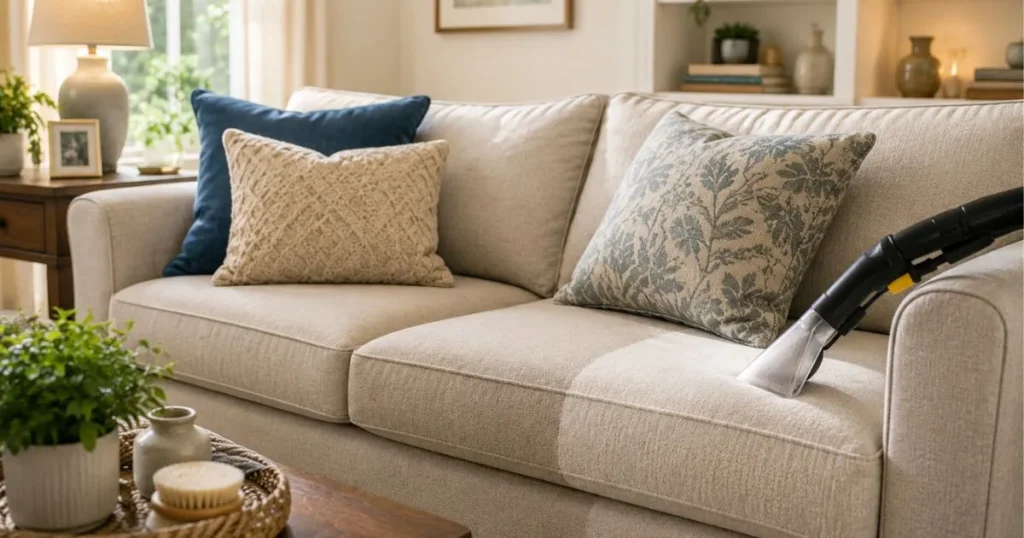
Professional rug and upholstery cleaning should be scheduled regularly to keep fabrics in good condition and maintain a healthier indoor environment. Most homes benefit from a deep cleaning every 12 to 18 months, while households with pets, children, or frequent visitors may need professional care more often because dirt and allergens build up more quickly.
Different materials require different levels of care. Wool rugs can wear out faster when fine dirt becomes trapped between the fibers, while synthetic rugs resist stains better but may still absorb odors and collect bacteria over time. Frequently used furniture, such as sofas and dining chairs, also needs regular attention to prevent dirt from settling deep into the fabric.
Humidity is another factor that affects upholstery. Excess moisture can encourage the growth of mold, bacteria, and unpleasant odors, making household cleaning less effective. Professional cleaners use specialized equipment to remove deep-seated dirt and moisture while protecting the fabric’s texture and appearance.
Common Cleaning Mistakes You’re Probably Making
Many homeowners accidentally harm delicate fabrics by using too much water or harsh scrubbing. Over-saturating a rug can drive dirt deeper and weaken adhesives.
Store-bought cleaners often leave detergent residues that attract more dirt once dry. Some chemicals can also bleach colors or stiffen fibers. Rented steam cleaners may not provide the necessary heat or suction for effective cleaning.
Cleaning spills quickly, especially on light upholstery, is crucial, as substances like coffee and wine bond quickly. Blotting with a dry cloth is safer than using various cleaners without knowing the fabric type. Experienced technicians evaluate fiber types to choose suitable cleaning agents, safeguarding delicate fabrics and avoiding irreversible staining.
These are fifteen frequent errors people make while cleaning:
1. Using vinegar for all cleaning tasks.
2. Relying solely on disinfectants for different surfaces.
3. Neglecting to allow cleaning products sufficient dwell time.
4. Employing feather dusters or disposable dusters instead of effective alternatives.
5. Failing to clean or replace sponges regularly.
6. Applying harsh chemical cleaners to electronic devices.
7. Cleaning surfaces excessively.
8. Using a steam mop on hardwood flooring.
9. Opting for abrasive cleaners that can damage surfaces.
10. Relying on paper towels for cleaning instead of more sustainable options.
11. Not following a top-to-bottom cleaning approach.
12. Scrubbing spills on carpets rather than blotting them.
13. Washing windows on sunny days, which can lead to streaking.
14. leaving toilet brushes wet after use, which can promote bacteria growth.
15. Using an excessive amount of cleaning solution, leading to residue buildup.
How Cleaning Services can Improve Indoor Air Quality?
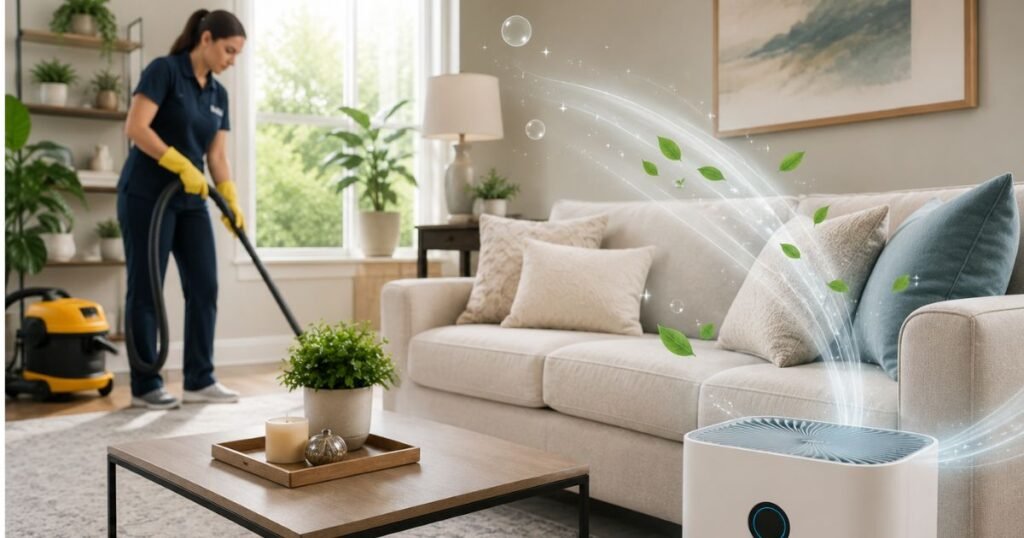
Cleaning of textiles considerably improves indoor air quality, as soft furnishings capture pollutants for extended periods.
The American Lung Association notes the link between indoor allergens and respiratory issues. By eliminating trapped contaminants, we lower the particulate matter released into the air during regular activities.
Freshly cleaned fabrics reduce unpleasant odors. Residues from smoke, cooking, and pets cling to fibers, but this process removes much of this buildup, improving the overall atmosphere in your home.
Which materials require the most careful treatment?
Natural fibers require careful handling due to their unique responses to moisture and cleaning products. Fabrics like silk, wool, cotton blends, and handmade rugs are prone to shrinking or losing color if not treated with care.
Soft upholstery fabrics may be better suited to low-moisture cleaning methods rather than vigorous extraction techniques. Antique rugs often necessitate specialized care, as older dyes can run during washing.
Modern artificial material are usually simpler to care for, they can still benefit from professional opinion. It’s important to understand that some stain-resistant coatings may break down if subjected to harsh chemicals repeatedly.
Is Professional Cleaning Worth it?

Professional cleaning plays a vital role in maintaining the aesthetic and structural integrity of high-end interior items, which in turn minimizes the frequency and expense associated with replacements. When fibers are properly cared for, a high-quality wool rug or upholstered sofa can endure for many years.
Regular upkeep also safeguards the value of your property. Many homeowners tend to address only visible stains, it is actually the invisible buildup that contributes most to long-term damage. Daily dirt particles rub against fabric fibers, leading to thinning and flattening over time.
Keep Your House Clean Between Professional Visits.
Keeping a home tidy can be challenging because of daily dust, dirt, pet hair, and fingerprints. A simple 15-minute cleaning routine can make household chores more manageable. Set a timer and focus on high-traffic areas to prevent clutter from building up while making cleaning feel less overwhelming.
Technology can also make home maintenance easier. Smart appliances, such as robotic vacuums, help remove everyday dust and debris with minimal effort. Adopting a minimalist approach by reducing unnecessary items also makes home maintenance easier and helps keep your living space organized.