
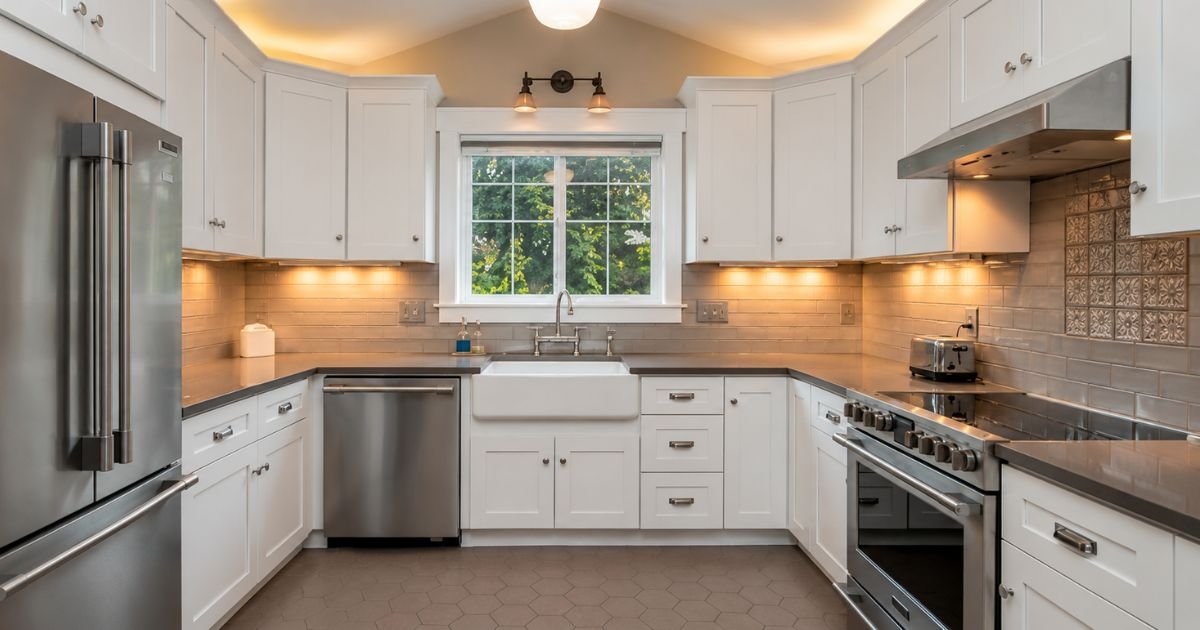
The Most Overlooked Home Upgrade: Why Water Quality Matters
It’s time to shift your focus because the most overlooked home upgrade might not be in the kitchen at all it’s your water. Clean, high-quality water influences everything from your health and daily comfort to your utility bills, yet it remains one of the most overlooked aspects of home improvement.
The Most Overlooked Home Upgrade: Every Room Depends on Water
Water is the silent architect of our living environments, shaping the functionality and essence of every room in our homes. In the kitchen, it’s not just a resource for cooking; it’s a conduit for creativity, turning simple ingredients into culinary masterpieces. The rhythmic flow of water through a faucet can create a sense of calm, inviting people to gather and share experiences.
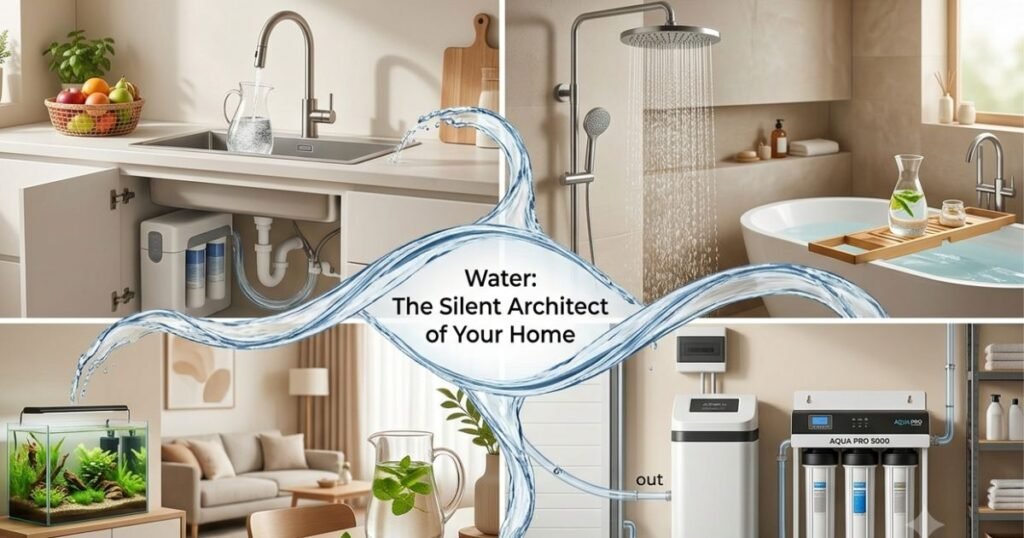
In the bathroom, water transforms mere tiles and fixtures into a spa-like sanctuary, essential for relaxation and rejuvenation. This vital element creates a soothing ambiance, enhancing the overall mood and promoting mindfulness. In our living and dining spaces, the presence of water, whether through aquariums, decorative fountains, or even a simple glass of water on the table, fosters an atmosphere of tranquility and prosperity, symbolizing abundance and life itself.
Better Water Can Improve Everyday Living
Access to better quality water can profoundly enhance our everyday lives, transforming mundane routines into refreshing experiences. Imagine waking up to a glass of crisp, clean water, free from impurities and unpleasant tastes, which energizes your morning rather than simply hydrating you. When you use filtered or mineral-rich water for cooking, dishes taste better, enhancing nutritional absorption and elevating mealtime enjoyment.
Good water promotes healthier skin and hair, resulting in a natural glow that can bolster confidence. When you incorporate it into your daily skincare routine or use it for washing, investing in better water isn’t just about hydration; it’s about enhancing your overall quality of life and fostering a deeper connection to wellness.
Why Is Water Quality Testing Important for Your Home?
Water quality testing can help you understand what is coming from your tap, since water’s appearance, taste, and smell do not reveal every possible issue. A test can check for specific substances or conditions, such as lead, bacteria, or changes in pH, depending on the type of test selected.

The right approach depends on your water source and concerns. If your home uses a private well, you are responsible for arranging testing; if it receives public water, review the supplier’s water quality report and consider testing at the tap when you have a specific concern. A local health department or certified laboratory can help you choose an appropriate test and interpret the results. With that information, you can decide whether any follow-up is needed.
How to Test Water Quality
To test water quality at home without a kit, start by checking its appearance. Pour a sample into a clean, clear glass and look for unusual color, cloudiness, or particles. Compare it with water you know is clear, using the same glass and lighting. Color can point to a change in the water, but appearance alone cannot identify the cause or show whether water is safe to drink.
For a simple visual check of larger particles, place clean cotton or PP filter material, also called polypropylene, inside a clean funnel and slowly pour a sample through it into a clear container. Look for residue caught in the material and note any change in color or clarity. This is not a water quality test and will not reliably remove or detect dissolved contaminants, germs, or other hazards. If the water looks unusual or you need to assess its safety, use an appropriate test or contact your local health department.
How to Identify Water Quality Problems Through Odor
Water quality odors can offer clues about what to test, but smell alone cannot identify a contaminant or confirm that water is safe. A strong chlorine or pool like odor may be associated with residual chlorine, while a rotten egg odor may point to sulfides. Note whether the odor occurs in hot water, cold water, or both, and whether it comes from one faucet or throughout the home.
For a closer look, request testing that includes residual chlorine and sulfides, and consider testing for iron and manganese as well. These metals are more commonly associated with metallic tastes, discoloration, or staining than with a distinct odor, so testing can help clarify whether they are present. A qualified laboratory can advise on the appropriate sample collection and interpretation.
Signs Your Home Needs a Water Filtration System
Changes in your water’s taste, smell, or appearance can be a reason to look more closely at your home’s water quality. A chlorine like taste or odor, cloudy water, or visible particles may make everyday drinking and cooking less appealing. These signs do not identify the cause on their own, but they can prompt you to check your water source and consider whether filtration may help.
Pay attention to patterns, too. If you notice scale building up around faucets or mineral deposits on fixtures, your water may contain minerals that affect cleaning and maintenance. A filter should be chosen for the specific concern you want to address, since different systems are designed to reduce different substances. Review your local water quality information or arrange appropriate testing before choosing a system.
How Hard Water Affects Your Home and Appliances
Hard water contains dissolved minerals, mainly calcium and magnesium, that can leave deposits as water dries. Around the home, this may show up as cloudy spots on glassware, white residue on faucets and showerheads, and a film on sinks or tubs. Soap can also be harder to rinse away, leaving skin, hair, or laundry feeling less clean.
Inside appliances that heat or use water, mineral deposits can collect on surfaces and parts over time. In water heaters, dishwashers, washing machines, and coffee makers, buildup may affect cleaning or heating performance and increase the need for maintenance. Regularly cleaning fixtures and following appliance care instructions can help manage deposits; a water test can clarify whether a treatment system is worth considering.
Soft Water vs. Hard Water: What’s the Difference?
Soft water contains little to no dissolved calcium and magnesium, the minerals that make water hard. Hard water contains higher levels of these minerals, which it picks up as it moves through soil and rock. The difference is not usually visible in a glass, but it can affect how water behaves at home.
Hard water can make it harder for soap to lather and may leave mineral deposits on faucets, dishes, and appliances. Soft water tends to lather more easily and is less likely to leave those deposits. Whether water is considered hard depends on its mineral content, which can vary by location; a water test can help determine what is in your supply.
How to Improve Water Quality for Everyday Use
Improving water quality starts with knowing what is in your water. If you use a public water system, review its annual water quality report and check whether your home has plumbing that could affect the water. If you use a private well, arrange regular testing through a certified laboratory. Testing helps you choose a treatment method based on identified concerns rather than guesswork.
Select a filter or treatment system designed for the specific substances you want to reduce, and follow its instructions for installation and replacement. A filter that is overdue for a cartridge change may not work as intended. Keep water in clean, covered containers, and clean faucets and reusable bottles regularly. These simple habits can support better water quality throughout the day; when test results point to a concern, consult your local health department or a qualified water treatment professional.
Protecting Your Home Investment
Protecting your home investment requires more than just maintaining its physical structure; One often-overlooked aspect is understanding your local real estate market. For instance, energy-efficient improvements not only reduce utility costs but also appeal to eco-conscious buyers, setting your home apart when it’s time to sell.

Investing in regular maintenance can save you from costly repairs down the line. Establishing a schedule for servicing key elements like roofing, plumbing, and HVAC systems can extend their lifespan and protect you from sudden financial hits. Moreover, consider enhancing your home’s curb appeal.
Not Every Home Needs the Same Water Filtration Solution
When it comes to home improvement and design, each home has its own unique character, influenced by factors such as architecture, location, and the specific needs of its inhabitants. A modern minimalist dwelling might thrive with open spaces and sleek furniture, while a cozy, rustic cottage benefits from warmth and layered textures.
A busy household with young children may prioritize durability and low maintenance, while a couple of empty nesters might lean towards aesthetics and relaxation. Tailoring solutions to fit these distinct rhythms can transform a space from merely functional to truly harmonious. Engaging with local artisans or sustainable materials can further enhance the home’s character, reflecting the values and lifestyle of those who inhabit it.
Choosing the Right Water Filtration System
Water quality can also vary from one home to another, which means the same water treatment solution may not work for every household. Some homes may struggle with hard water that leaves mineral deposits on faucets, showerheads, and appliances, while others may experience unpleasant tastes, odors, or concerns about specific contaminants.
Before investing in a filtration system, consider your local water supply, household water usage, and the issues you want to address. A professional water test can help identify which treatment options are most suitable, whether you need a drinking water filter, a water softener, or a whole-house filtration system. Understanding these differences helps homeowners make practical improvements without spending money on equipment they may not need.
Think Beyond Drinking Water
When we think about hydration, our minds often jump straight to water. Infused waters, herbal teas, and nutrient-rich broths offer unique benefits that can elevate our hydration game. For instance, adding herbs like mint or ginger can enhance flavor while delivering antioxidants and aiding digestion.

Foods with high water content, such as cucumbers, watermelon, and oranges, contribute to overall hydration without a single drop of water. These natural sources are rich in vitamins and minerals, creating a holistic approach to hydration that nourishes the body on multiple levels. Embracing a variety of beverages allows us to explore how different flavors and nutrients can synergize, enhancing our wellness journey beyond the confines of conventional water consumption.
Planning for Long-Term Comfort
Planning for long-term comfort extends beyond just financial security or physical space. It encompasses a holistic approach that prioritizes mental and emotional well-being as well. Incorporating routines that foster resilience and adaptability can make a significant difference. For instance, cultivating mindfulness practices aids in navigating life’s unpredictability while creating a sanctuary through personalized environments enhances emotional stability.
Small Improvements Add Up
Small improvements in our daily routines can lead to transformative outcomes over time. Consider the power of incremental changes — a mere ten minutes dedicated to reading each day can cultivate a habit of learning, enriching your knowledge base and perspective. Over a year, that simple adjustment could result in an entire library of books consumed, invigorating both personal and professional growth.
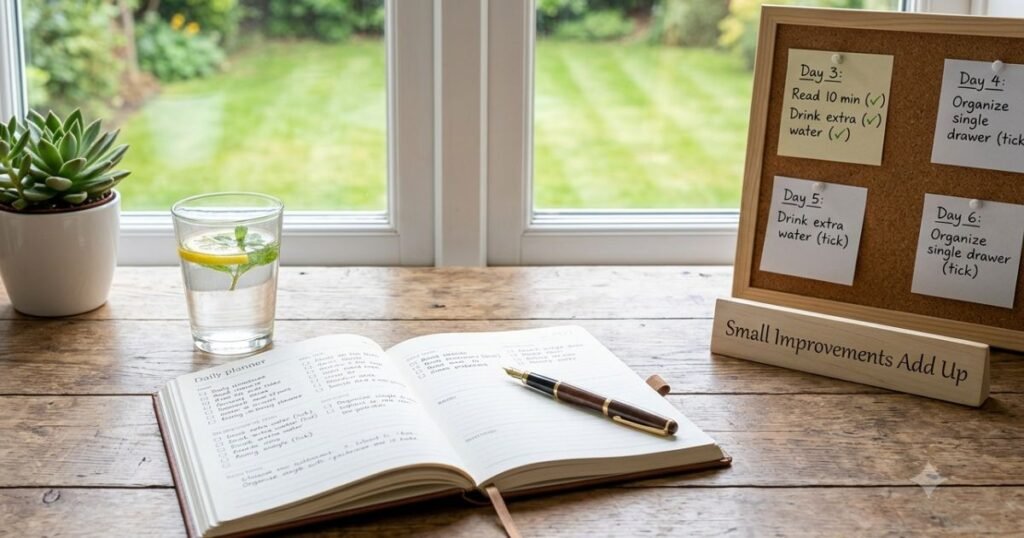
These minor tweaks foster a sense of accomplishment that fuels motivation. Each small win serves as a building block, reinforcing our capacity to tackle bigger challenges. For instance, committing to drink an extra glass of water daily can enhance physical well-being, gradually leading to improved energy levels and overall health.
Final Thoughts
Each experience, whether it feels like a success or a setback, contributes to our growth and understanding. Embracing uncertainty can be one of the most transformative choices we make; it invites creativity and allows us to adapt in ways we never thought possible.
This perspective shift encourages us to question the status quo and find innovative solutions. As we step forward, let’s carry with us the lessons learned, the stories shared, and the connections formed — reminders that our paths are intertwined.