

Best Way to Clean a Washing Machine: Step by Step Guide
A musty smell coming from your washing machine can be a sign of detergent residue, moisture, and dirt buildup inside the appliance. Over time, these issues can cause unpleasant odors and affect your machine’s performance. Regular cleaning and knowing how to clean a washing machine properly help keep it fresh, maintain its efficiency, and prevent residue from transferring to your laundry.
In this guide, you’ll learn how to clean your washing machine step by step, from the drum and detergent drawer to the rubber seal and filter. With a few simple cleaning habits, you can keep your machine in good condition and enjoy fresher-smelling laundry.
How to Clean Your Washing Machine
When cleaning your washing machine, use a washing machine cleaner recommended by the manufacturer instead of relying on DIY solutions. Follow the product instructions and select the appropriate cleaning cycle for your model. This helps remove detergent residue, grime, and unpleasant odors without risking damage from unsuitable cleaning products.
Don’t overlook the washing machine settings you choose. If your machine has a self-cleaning cycle, use it according to the manufacturer’s instructions. This feature helps clean the drum and reduce residue buildup inside the machine.
Paying attention to detergent usage and choosing a high-efficiency (HE) detergent when required can also help prevent buildup over time. These simple habits help keep your washing machine clean and in good working condition.
For best results, check your owner’s manual for the recommended cleaning frequency and products. The right routine depends on your washer model, how often you use it, and the type of detergent you choose.
Common Washing Machine Mistakes
One common mistake many people make while cleaning their washing machines is neglecting to check the rubber gaskets and seals. These often overlooked areas can harbor lint, soap scum, and even mold, leading to unpleasant odors and potential damage over time. Regularly wiping these components down not only helps maintain the machine’s efficiency but also prolongs its lifespan.
Overloading the machine might seem like a time-saver, but it can lead to inadequate cleaning and increased wear on the appliance. Clothes need room to agitate properly; squeezing too many items into a single load can prevent detergents from working effectively.
Best Washing Machine Cleaner
Choosing the right washing machine cleaner helps remove detergent residue, grime, and unpleasant odors. One popular option is Affresh Washing Machine Cleaner, which comes in tablet form and is designed to clean both front-loading and top-loading machines. Tide Washing Machine Cleaner is another option for tackling buildup left behind by detergents and fabric softeners.
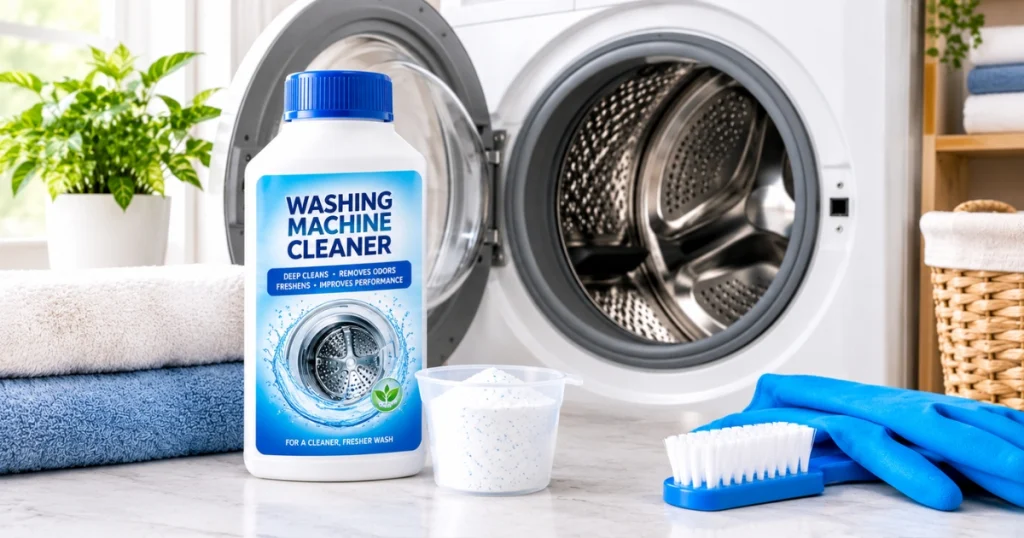
If you prefer a budget-friendly approach, you may consider household cleaning methods, but use caution with DIY solutions. White vinegar and baking soda are often suggested for washing machine cleaning, yet they should not be mixed together because they react and largely neutralize each other. Vinegar may also damage certain rubber components over time, so check your washing machine manufacturer’s instructions before using it.
For the best results, choose a cleaner approved for your machine and follow the product label. Regular cleaning helps reduce residue and odors while keeping your washing machine in good condition.
Step-by-Step Washing Machine Cleaning Process
Each part of your washing machine needs proper attention to prevent residue and moisture buildup. Follow the steps below to clean these areas safely and effectively.
Running a Cycle
To effectively clean your washing machine, start by running a cycle specifically designed for cleaning. For machines without a dedicated cleaning cycle, follow the manufacturer’s instructions for the appropriate cleaning method and product. Use a washing machine cleaner recommended by the manufacturer and follow the product instructions for the appropriate cleaning method.
Extra Rinse and Spin
After the cleaning cycle is complete, check your manufacturer’s instructions to determine whether an extra rinse is needed. This step ensures that any remaining traces of bleach or detergent particles are thoroughly rinsed away, leaving your machine fresh and ready for its next load.
Investing time in this extra rinse not only enhances the cleanliness of your washer but also ensures that your clothes come out smelling fresh, free from any cleaning agents that could irritate sensitive skin. By prioritizing these steps, you’ll extend the life of your washing machine while maintaining optimum performance.
Clean the Dispenser Drawer
To effectively clean the dispenser drawer, begin by removing it from the washing machine and soaking it in warm, soapy water. This helps to dissolve any accumulated detergent or fabric softener residue. Use a soft brush or cloth to scrub all corners and crevices, ensuring no buildup remains. Rinse thoroughly and let it air dry before reinserting it to prevent mold and odors.
Wiping and Drying the Rubber Seal and Drum
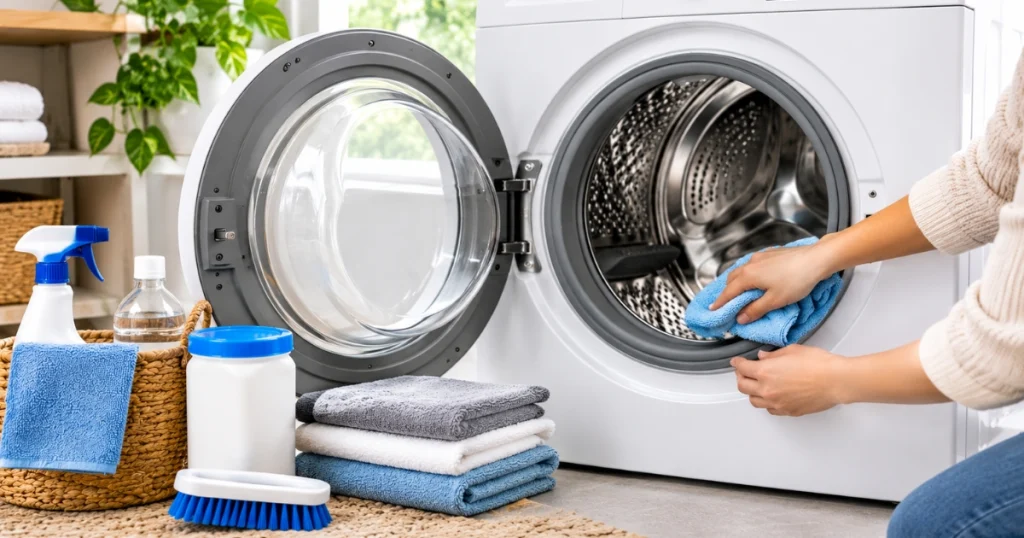
For front-loading washing machines, gently pull back the rubber seal and check for trapped lint, hair, moisture, or residue. Wipe the area with a soft cloth and a cleaner approved by the manufacturer. Then dry the folds with a clean towel. Wipe the inside of the drum according to your machine’s care instructions, and leave the door open when appropriate to allow the interior to dry.
Clean the Filter
The washing machine filter can collect lint, hair, and other debris that may affect drainage. Check your owner’s manual to locate the filter and learn how to remove it safely. Before opening it, switch off the machine and prepare a shallow container or towel to catch any water that may spill out. Clean the filter as directed, reinstall it securely, and check for leaks before using the washer again.
Check the filter regularly, especially if you notice slow draining, unusual odors, or debris left behind after a wash. Always reinstall the filter securely before running the machine.
How to Prevent Washing Machine Odor
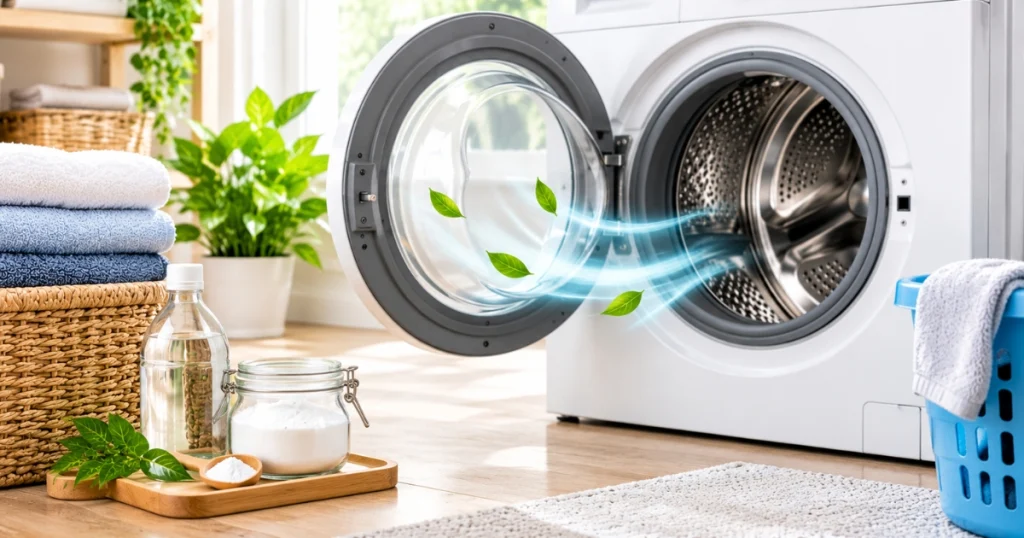
To prevent washing machine odor, it’s essential to prioritize regular maintenance. Start by leaving the door or lid ajar after each use. This small but effective habit allows moisture to escape, helping reduce the damp conditions that encourage mold and unpleasant smells. Consider running a monthly cleaning cycle with a washing machine cleaner approved for your model to help remove detergent buildup and keep the drum fresh.
Overusing detergent can leave residue inside the machine, contributing to unpleasant odors. Follow the recommended dosage and use high-efficiency (HE) detergent if your washer requires it. Finally, regularly clean the detergent dispenser and rubber door seals, where residue and moisture can accumulate.
If your washing machine smells like sewage or rotten eggs, the problem may involve the drain or plumbing rather than the drum itself. Check your owner’s manual for instructions on cleaning the drain filter, if your model has one. If the odor persists, consider contacting a qualified plumber or appliance technician. These simple maintenance steps can help keep your washing machine fresh and in good working condition.
- Take Out Clean Clothes Promptly: To maintain a fresh-smelling washing machine, take out clean clothes as soon as the wash cycle is complete. Allowing wet clothes to sit in the drum creates an environment where musty smells can develop. Consider establishing a routine that prompts you to check the washer at designated intervals, ensuring that damp items don’t linger.
- Remove Any Debris or Pet Hair: Remove any debris or pet hair that may accumulate in your machine. Regularly inspect the drum, detergent drawer, and drain pump filter for lint, hair, or other residues that could contribute to unpleasant odors.
- Dry the Rubber Gasket: Don’t overlook the importance of the rubber gasket; be sure to dry the gasket after each use. This area often traps moisture, becoming a breeding ground for mold and mildew if neglected.
If musty smells return soon after cleaning, check for trapped moisture, detergent residue, or drainage problems instead of simply repeating the cleaning cycle. Adding washing machine maintenance to your regular house cleaning schedule can help prevent residue buildup and keep your laundry area fresh.
Is Bleach or Vinegar Better to Clean a Washing Machine?
Bleach and vinegar serve different purposes when cleaning a washing machine. Bleach can help kill germs and remove mold or mildew, while white vinegar may help loosen mineral deposits, soap residue, and musty odors. However, both products have limitations, and their suitability depends on your washing machine model.
Repeated vinegar use may damage rubber seals or hoses in some machines, so check your owner’s manual before using it. For routine maintenance, a washing machine cleaner recommended by the manufacturer is often a suitable choice. Never mix bleach and vinegar, as this combination can release toxic chlorine gas.
Avoid using cleaning products together unless the manufacturer specifically confirms they are compatible. Following the recommended cleaning method helps protect your washer’s internal components.
Final Thoughts
Cleaning your washing machine is a crucial step in maintaining its efficiency and prolonging its lifespan. By following the methods shared by industry professionals, you can easily eliminate odors, grime, and bacteria that may accumulate over time.
Regular upkeep not only ensures cleaner clothes but also saves you money on repairs and energy costs. Remember to check the gasket, dispenser, and drum for buildup, and incorporate a monthly cleaning routine into your household chores.
Clean a Washing Machine FAQs
How can I deep clean my washing machine?
To deep clean your washing machine, run the washer’s cleaning cycle with a washing machine cleaner recommended by the manufacturer. Remove and wash the detergent drawer, wipe the rubber seal, and clean the filter according to your owner’s manual. Leave the door or lid open after cleaning to help the interior dry and reduce musty odors.
Can I put vinegar and baking soda in my washing machine to clean it?
It is best to avoid using vinegar and baking soda together as a washing machine cleaner. They react with each other and largely neutralize each other, reducing their cleaning benefits. Vinegar may also damage rubber seals and hoses in some machines when used repeatedly. For safer results, use a washing machine cleaner approved by your appliance manufacturer.
How do I clean my washing machine?
Start by running the washer’s self-cleaning cycle with a recommended washing machine cleaner, following the product instructions. Next, remove and clean the detergent drawer, wipe the rubber gasket on front-loading models, and clean the filter if your machine has a user-serviceable one.
How can I clean my washing machine without taking it apart?
You can clean your washing machine without disassembling it by running its recommended cleaning cycle with an approved washing machine cleaner. Wipe the drum, door, rubber seal, and detergent dispenser with a soft cloth. Clean the accessible filter only if your owner’s manual provides instructions.
Can You Clean a Front-Load Washing Machine With Vinegar?
Before using vinegar in a front-load washing machine, check the manufacturer’s instructions. Some manufacturers advise against it because repeated use may damage rubber seals and other parts. A washer cleaner designed for front-load machines is a safer option. Also, wipe the rubber gasket regularly to remove moisture, lint, and detergent residue.
How Do You Clean a Top-Load Washing Machine With Vinegar?
Start by checking your washing machine manual for the recommended cleaning method. If your model has a Clean Washer or Tub Clean cycle, use it with an approved washing machine cleaner. Avoid adding vinegar unless the manufacturer specifically allows it. After cleaning, leave the lid open so the drum can dry completely.