10 Types of Home Heating Systems and How to Choose One
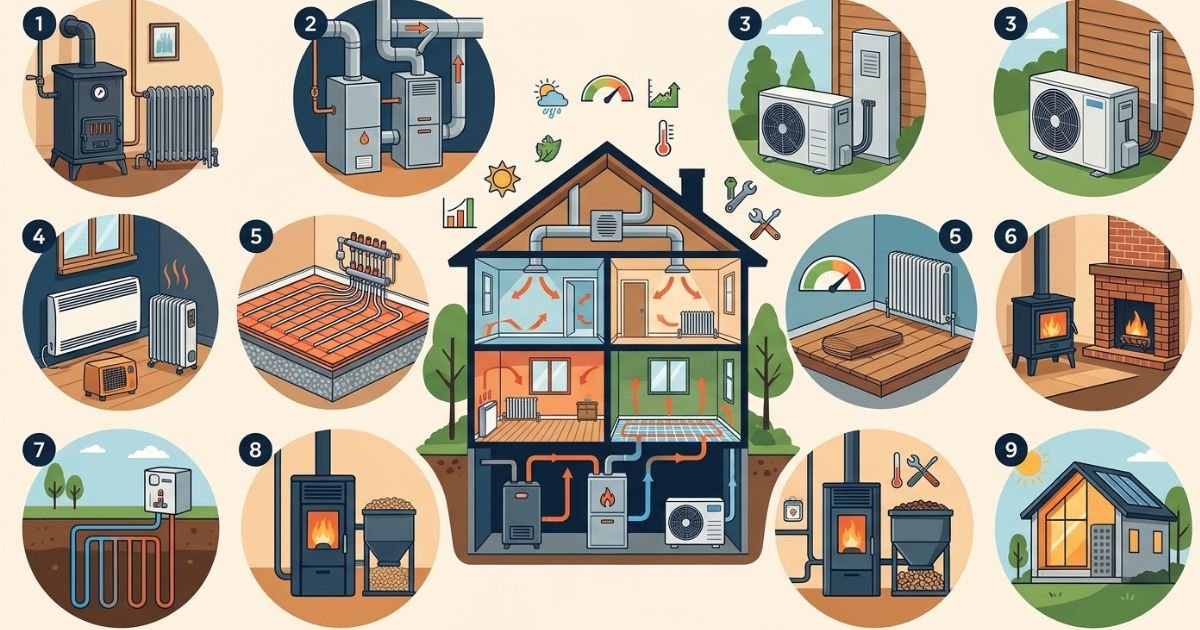
Uneven rooms, rising energy bills, or an aging boiler can make it hard to know whether your home needs a repair or a different heating system. This guide compares 10 types of home heating systems, explains what to consider when choosing one, and outlines how installation costs can vary including the cost of a new furnace and AC or a broader HVAC system. Different heating systems offer different levels of efficiency, comfort, and performance depending on your home’s needs.
Five Things to Know about Home Assessments
A home assessment is a room-by-room look at potential hazards and ways to make everyday routines safer. Use a safety checklist at home to review areas such as stairs, bathrooms, kitchens, entryways, and outdoor paths. Check that walkways are clear, lighting is adequate, and frequently used items are easy to reach. An in home assessment can also help identify safety concerns that may not be obvious during everyday activities. Including Home Heating in your safety review can help identify potential heating-related hazards and support a safer indoor environment.

Make the household safety checklist specific to the people who live in the home and how they use each space. Note concerns, decide which ones to address first, and record any changes that could affect safety, such as new mobility needs or rearranged furniture. Revisit your home safety list periodically so it stays useful as the household and home change. A professional in home health assessment may also provide additional guidance on making living spaces safer and more accessible.
Quote Checklist Template
A quote checklist template helps you prepare a clear, complete quote before sending it to a client. Start with the basics: your business name and contact information, the client’s name, the quote date, and a reference number if you use one. Then describe the products or services, quantities, unit prices, and total cost so the client can see what the price covers.
Before you send the template quote, check that any taxes, fees, discounts, and payment terms are stated clearly. Include the quote’s expiration date and note any assumptions, exclusions, or conditions that could affect the final price. If the work depends on client approval or additional information, say so directly rather than leaving the terms open to interpretation.
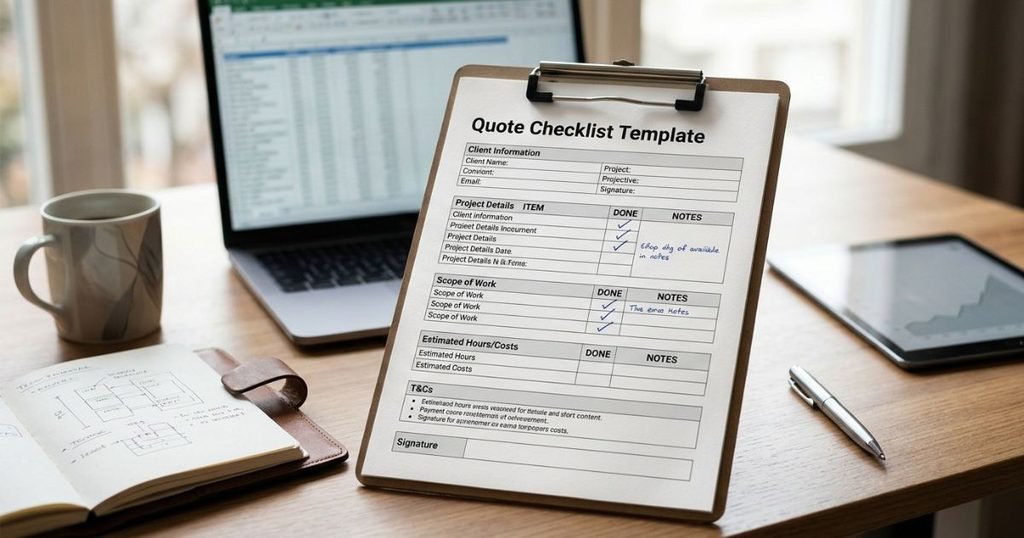
A quote template free of unnecessary details can still be thorough: organize the information with labeled sections and leave room for a signature or acceptance method if needed. Review names, calculations, and terms one last time, then save a copy for your records.
Check Ductwork Before Choosing Equipment
Before selecting new HVAC equipment, assess the ductwork it will need to serve. Review the supply duct layout, sizing, condition, and connections, and look for visible damage, gaps, or restrictions. Equipment selection should account for the airflow the existing system can deliver not just the home’s heating and cooling needs. Proper ductwork assessment also helps ensure that your Home Heating system can distribute warm air efficiently throughout the house.
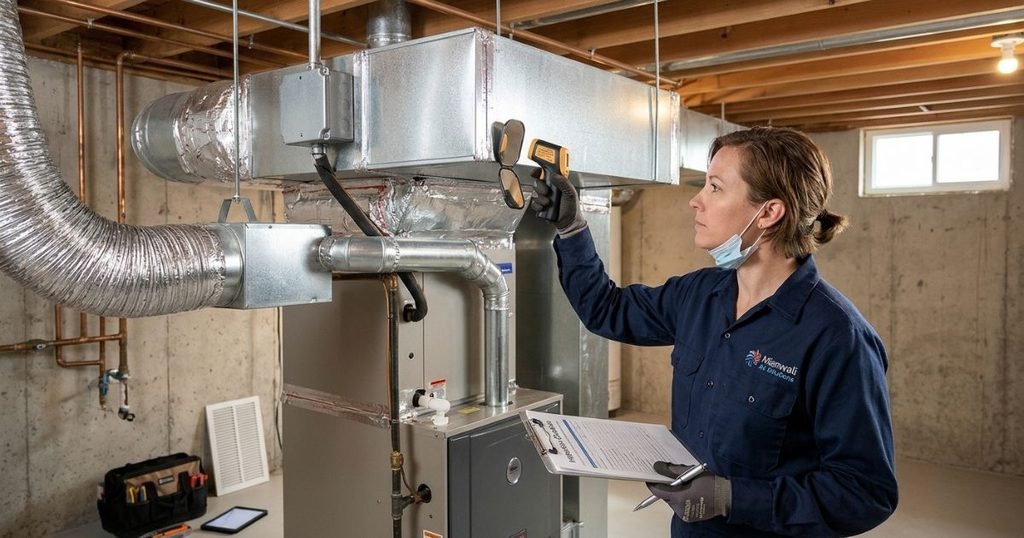
If repairs or changes are needed, factor them into the project before choosing equipment or ordering HVAC ductwork supplies. A qualified HVAC professional can evaluate the duct system and help determine whether the current HVAC ducting is suitable or needs updates. That assessment can also guide decisions about HVAC ducting supply and AC ductwork supplies, so equipment and ducts are planned together.
Home Heating Systems Types
Home heating systems generally fall into two categories: systems that distribute warm air and systems that distribute heat through water. A furnace heats air and sends it through ducts to rooms, while a boiler heats water that circulates through radiators, baseboards, or radiant-floor pipes. In an older house, a boiler system may be part of the home’s original setup, so its distribution equipment can help identify the system type.
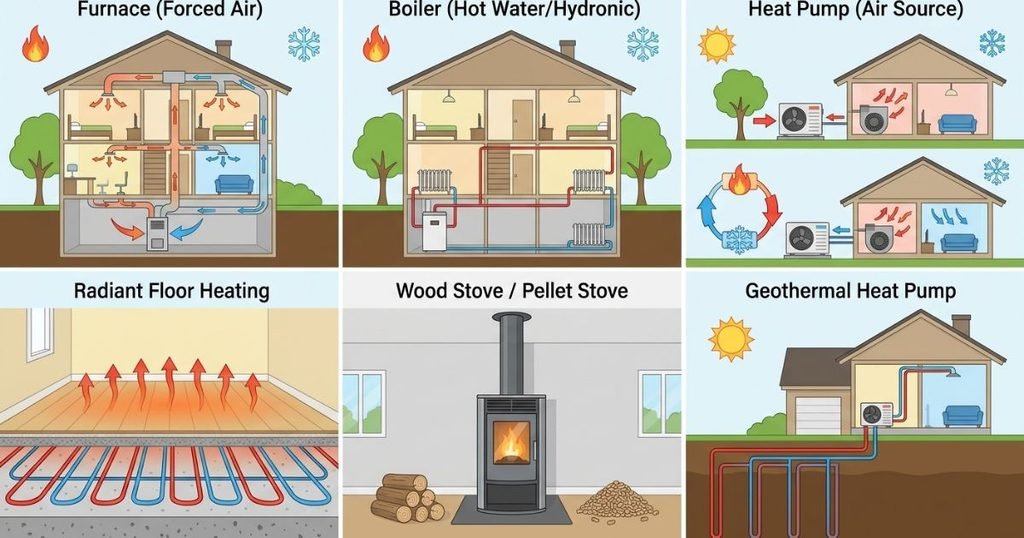
Water-heating equipment can also serve different purposes. A boiler supplies heated water for space heating; a separate water heater provides hot water for household use, such as bathing and washing. Water heater types vary, so check the unit’s label or documentation before comparing options. Knowing whether a home has a furnace, boiler, or separate water heater is a useful first step when assessing its existing heating equipment.
Winter Weather
Winter weather can shift from cold temperatures to snow or ice, so check a current winter weather forecast before making plans. A winter weather outlook can offer an early indication of possible conditions, while an updated forecast is more useful as a winter storm approaches. Since snowfall and temperatures vary by location and timing, rely on information for your area rather than a broad regional forecast. Checking your Home Heating system before winter arrives can also help keep your indoor space comfortable during cold weather.
In Spring, TX, check the local weather in Spring, Texas, for conditions that may affect travel or outdoor plans during the winter months. Keep an eye on alerts as wintry weather develops, and allow plans to change if winter storms are forecast. Knowing what conditions are expected is a practical first step toward preparing for the season.
Old House Boiler System
In an old house, a boiler usually heats water and sends it through pipes to radiators or other heat emitters. The radiators release warmth into each room, and the cooler water returns to the boiler to be heated again. This differs from forced-air heating, which distributes heated air through ducts; both are common types of heating systems, but they require different equipment and maintenance. Understanding how these systems work can help you decide which Home Heating option is suitable for your house.
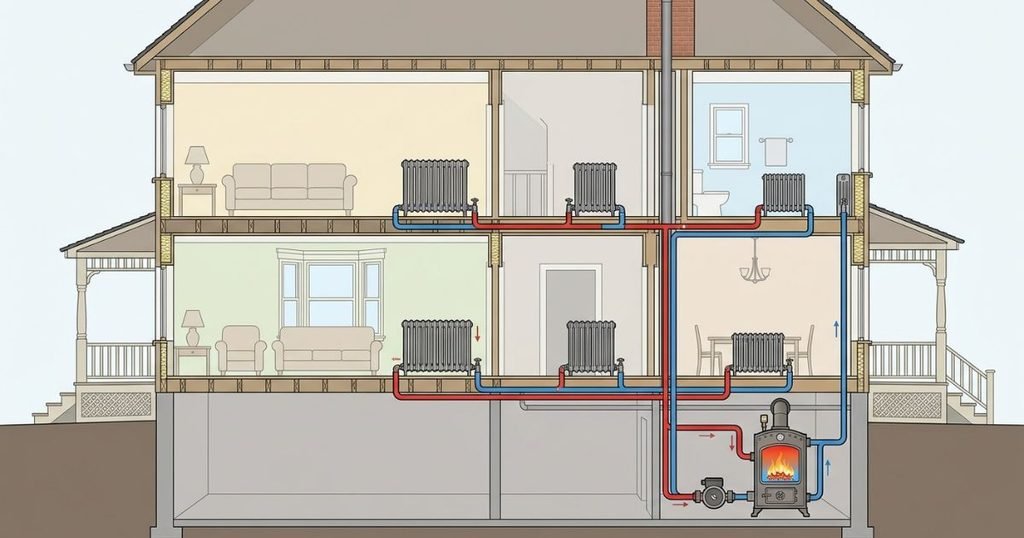
If you’re considering a new boiler, compare the boiler replacement cost with the cost of boiler installation for a different system, such as a furnace or heat pump. The total depends on the home, the chosen equipment, and whether existing pipes, radiators, or other components can be reused. Ask contractors for itemized estimates that explain what work is included, especially if you’re weighing radiator heating against another setup.
Compare Whole-Home System Options
Whole-home smart home systems generally fall into two broad approaches: a coordinated product ecosystem or a more flexible platform that brings devices from different brands together. A system built around Lutron switches, for example, can be a fit if lighting control is the priority. A broader smart home controller such as Home Assistant may appeal to households that want to connect a wider mix of smart devices and customize automations.
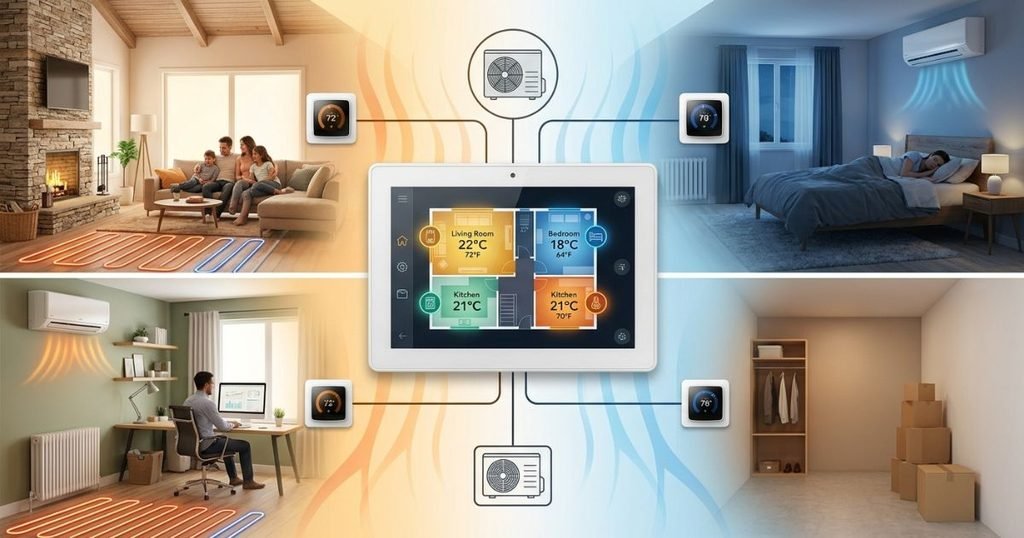
Choosing the best home automation system depends on your household’s needs, preferred features, and budget. Some home automation companies also offer integrated solutions for controlling multiple devices. Smart home automation can also help manage Home Heating by allowing compatible thermostats to adjust indoor temperatures.
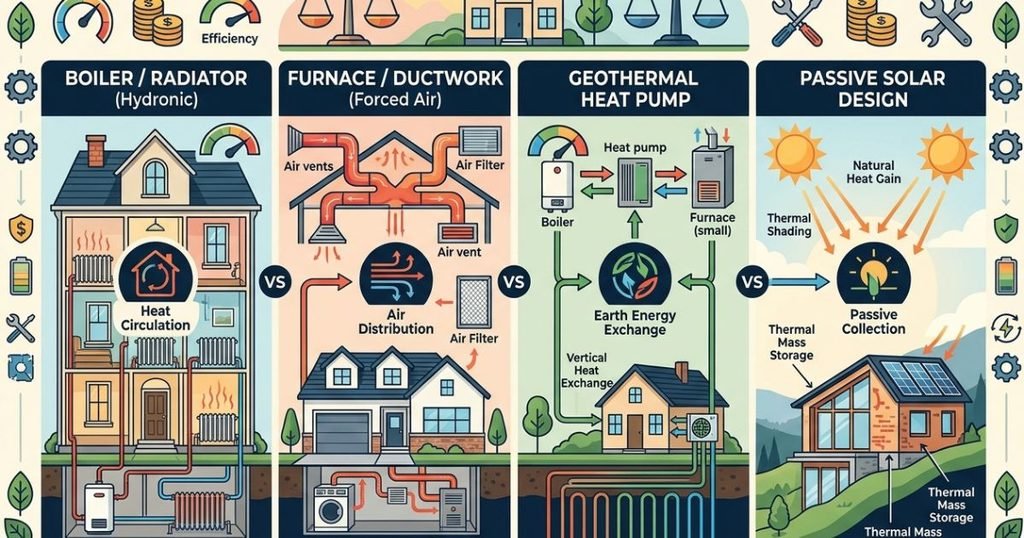
The tradeoff is convenience versus flexibility. A focused ecosystem can make setup and day-to-day control more straightforward, while a flexible home automation system may require more configuration and ongoing attention to device compatibility. Before choosing, consider which functions matter most such as lighting, climate, or security and whether you prefer one control experience or the freedom to combine products.
Those priorities can help narrow the options before you compare specific devices. If you are researching the best home automation system UK options, also check regional compatibility, product availability, and support for local smart home devices. Home automation technology can make everyday household tasks easier when the devices work together reliably.
Focus on Proper System Sizing
Choosing the right size for an HVAC system starts with a professional load calculation not square footage alone. The calculation should account for factors such as insulation, windows, ceiling height, air leakage, local climate, and how the home is laid out. These details help determine how much heating and cooling the space actually needs.
A system that’s too large may reach the thermostat setting quickly without running long enough to manage indoor humidity effectively, while an undersized system may struggle to keep up during extreme temperatures. Ask your contractor to explain the sizing method and the assumptions behind it. Once the load is established, equipment selection and installation can be tailored to the home.
Consider Zoning and Controls
“Zoning out” means briefly losing focus or becoming absorbed in thought; it is different from zoning laws, which regulate how land may be used. If you’re wondering what is zoning, notice when it happens and what’s going on around you. Fatigue, stress, boredom, or distractions may be relevant, but a pattern alone doesn’t establish a cause.
You can try simple controls: break demanding tasks into shorter steps, reduce nearby distractions, and take planned pauses. If zoning out is frequent, disrupts daily life, or comes with periods you can’t remember, consider discussing it with a health professional. For a piece about land-use rules, treat zoning laws as a separate topic rather than a cause of zoning out.
Choose an Installer and Plan Maintenance
Choosing an installer is an important step in using solar panels for renewable energy at your company. Compare proposals for system design, equipment, installation scope, warranties, and ongoing service. Ask each provider to explain how a solar panel system works at your site, what assumptions shape the proposal. If your company also uses electric Home Heating equipment, consider how solar energy may help support its electricity needs.
Plan maintenance before the system is switched on. Confirm which tasks are included in any service agreement, how issues are reported, and what inspections or monitoring the installer recommends. A clear plan helps your team understand how the panels are performing and what to do if performance changes. With the installer and service arrangements in place, you can move on to evaluating the project’s costs and expected benefits.
Conclusion
A successful heating and cooling upgrade starts with the home as a system, not just the equipment. Consider comfort needs, insulation, ductwork, efficiency goals, and budget together before choosing a solution. A practical next step is to schedule an assessment with a qualified HVAC professional and ask for recommendations that explain how each option fits your home.
FAQs
1. What does a whole-home heating and cooling upgrade involve?
The guide is about planning an upgrade for heating and cooling throughout a home. It doesn’t specify which equipment or work an upgrade includes. The right approach depends on your home’s size, existing system, energy needs, and comfort requirements.
2. How do I know whether my home needs an upgrade?
The brief doesn’t provide signs to look for or criteria for deciding. Those details are not specified. Factors such as uneven indoor temperatures, rising energy bills, frequent repairs, and an aging heating system may indicate that an upgrade is worth considering.
3. What heating and cooling systems should I consider?
The brief doesn’t name or compare system types. The available options are not specified. Common options include furnaces, heat pumps, boilers, radiant heating systems, and ductless mini-split systems, each offering different levels of comfort, efficiency, and installation requirements.
4. How much does a whole-home upgrade cost?
No costs or pricing factors are provided in the brief. The total cost of a whole-home heating upgrade can vary depending on the system type, home size, installation complexity, equipment efficiency, and any necessary ductwork or electrical improvements.
5. How long does the upgrade take?
The brief doesn’t give a project timeline or installation duration. The time required depends on the type of heating system, the size of your home, installation complexity, and whether existing ductwork or other components need to be replaced.
6. What should I prepare before planning an upgrade?
The brief identifies planning as the topic, but doesn’t list preparations, measurements, or documents to gather. Before starting, consider your home’s square footage, insulation condition, existing heating system, energy bills, budget, and heating requirements to help determine the most suitable upgrade.
7. Do I need a professional to plan or install the upgrade?
The brief doesn’t say who should plan or carry out the work. However, hiring a licensed HVAC professional can help ensure the heating system is properly sized, safely installed, and suitable for your home’s heating needs.
8. Are rebates, permits, or other requirements involved?
The brief doesn’t provide information about rebates, permits, or local requirements. These details are not specified. Before starting an upgrade, check with your local building department and utility provider to learn about required permits, available energy-efficiency rebates, and applicable installation regulations.