

We know that over 70% of homeowners regret not planning thoroughly before starting their remodeling projects. When creating a beautiful and comfortable living space, successful home transformation is all about the details like choosing the right materials and crafting a clear vision. Achieving this dream demands a strategic approach to renovation and remodeling. This article serves you for planning a home renovation smart budgeting, and efficient execution. You’ll also have the tools and insights needed to transform your space, whether you’re replacing furniture or undertaking a full-scale renovation.
Establishing Clear Goals Before Starting
Before starting any home transformation, you must have a clear plan which helps you to decide which improvements are most important and reduces the chances of making costly changes in future. It will continue to benefit your home for many years.
Creating a Practical Renovation Plan
A well-structured renovating plan organizes every step of the project, from budgeting and scheduling to layout development and choosing material . Good planning helps avoid delays and keeps the project on schedule.
Many homeowners rely on a renovation home and remodeling company to coordinate design ideas with building work . Professional planning, combined with the skills of the best remodeling contractors, helps ensure high-quality of work and a smoother renovation process.
Designing Spaces That Balance Style and Function in Your Home Renovation Plans
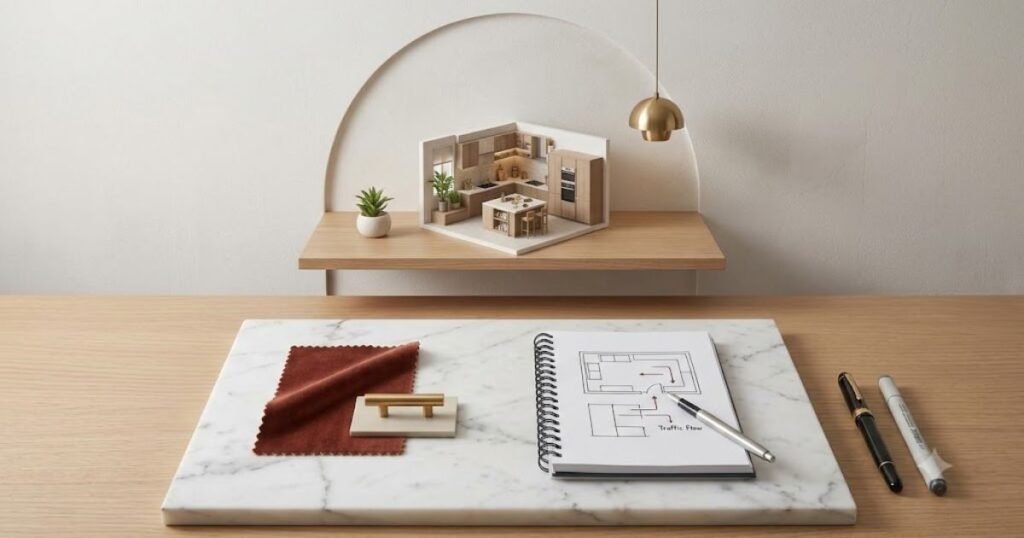
A well planned home transformation brings visual appeal with everyday comfort. Every part of design should be easier to use while creating a balanced and modern living area.
1. Creating efficient space layouts
A smart home design makes it easier to move around the house and reduces wasted space. Rearranging rooms can make your home feel more open, tidy, and comfortable for everyday living.
2. Maximizing Natural Light
Natural light makes your home brighter and more open. Large windows, mirrors, and well-placed windows let in more sunlight and create a warm and welcoming space.
3.Choosing Durable Interior Materials
Good-quality materials improve both appearance and durability. Choosing durable finishes reduces maintenance while helping the home maintain its attractive appearance.
4. Selecting Functional Furniture
Right-sized, multi-purpose furniture uses space wisely without making the room messy. Choosing the right furniture makes your home more comfortable and helps with everyday activities.
5. Building a Consistent Design Theme
Using matching colors, surface patterns, and finishes throughout the home creates a balanced and attractive look. Keeping the same style in every room makes the whole home feel connected and welcoming .
Managing Budget and Timeline Effectively
A practical budget is one of the most important factors in a successful home transformation. It should cover construction costs, materials, labor, building approvals, and an emergency fund for unexpected expenses that may arise during the project.
Creating a practical timeline is equally important. Dividing the renovation into clear steps with a home remodeling checklist helps manage different tasks efficiently and avoids unnecessary delays.
Essential Steps During Home Transformation: Your Home Renovation Checklist
Clear renovation plan helps every stage of the project run smoothly and keeps the work on track. Careful planning also reduces mistakes and helps you achieve the results you want.
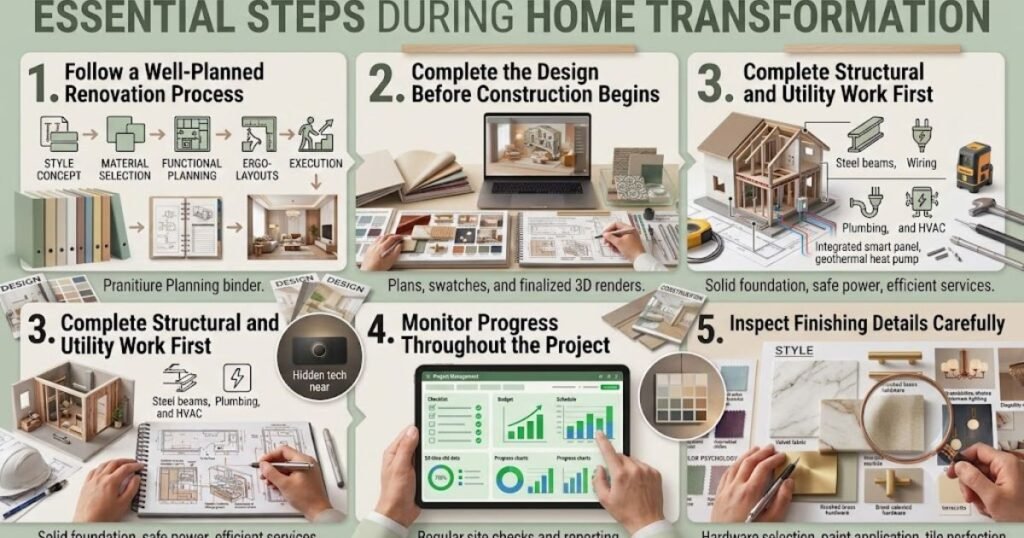
1. Follow a Well-Planned Renovation Process
Following a well-planned home renovation process helps maintain good quality and ensures that every stage supports the final design. Careful work reduces errors and keeps the project on track with the original plan.
2. Complete the Design Before Construction Begins
Complete the room plans, choose the materials, and finish the design before any construction work begins. Creating a project plan for home renovation reduces changes during construction, improves the work process, and helps contractors complete the project more accurately.
3. Complete Structural and Utility Work First
Finish the electrical work, plumbing, insulation, and structural improvements before painting and other decorative finishes. Completing these important tasks early helps prevent future repairs and protects your investment.
4. Monitor Progress Throughout the Project
Check the progress regularly to make sure the work follows the design plans and quality standards. Finding problems early allows quick fixes without delaying the project.
5. Inspect Finishing Details Carefully
Before the project is completed, carefully check the flooring, paint, cabinets, lighting, and fixtures. A final inspection helps make sure every detail meets your expectations and gives the home a neat, finished look.
Choosing Materials That Add Long-Term Value
Choosing materials plays an important role in the overall look and long-lasting quality of an updated home. Choosing high-quality finishes ensures that interiors remain attractive while withstanding daily use.
Strong flooring, good-quality kitchen cabinets, water-resistant finishes, and energy-saving home fittings included in a home remodel checklist help reduce maintenance needs and improve the property’s overall value over time.
Smart Design Features That Add Value to Your Home
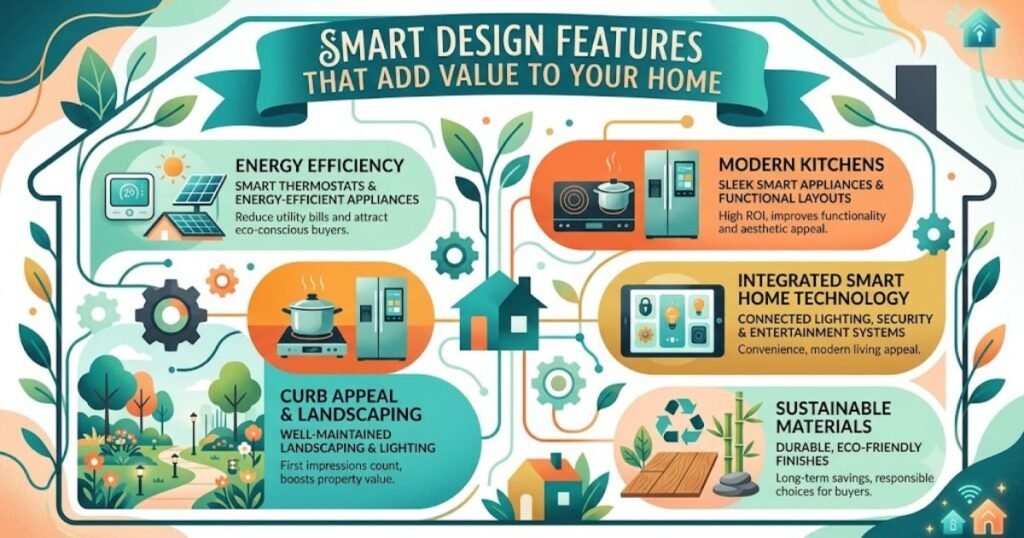
A successful home renovation should improve both comfort and everyday living. Adding smart design features can make your home more practical, energy-efficient, and ready for future needs while also increasing its value.
1. Create Multi-Use Spaces
Rooms that serve more than one purpose give you greater flexibility. For example, a spare bedroom can also be used as a home office or study area, helping you make better use of the available space.
2. Use Energy-Saving Lighting
LED lights, motion sensors, and natural daylight help reduce electricity use while making your home brighter and more comfortable. These simple upgrades can also lower your monthly energy bills.
3. Add Smart Home Technology
Smart systems for lighting, heating, cooling, and security make everyday life easier. They improve comfort, save time, and add long-term value to your home.
4. Choose Quality Materials
Using durable, eco-friendly building materials helps your home last longer and reduces future maintenance. High-quality materials also keep your home looking attractive for years.
Final Inspection and Long-Term Maintenance
A final inspection is an important step after a renovation work. It helps check the quality of the work, make sure everything is working properly, and fix any small problems before the project is completed.
Regular maintenance is also important to keep the home in good condition. A renovating home checklist can help with routine inspections and timely repairs, which help prevent bigger problems, save your investment, and maintain the home’s value for years to come.
Conclusion
A successful home transformation starts with good planning, a practical budget and the right material. A home renovation checklist helps you stay organized throughout the process. Adding future-ready features and quality workmanship helps create a home that is comfortable, practical, and built to last. Every smart decision you make today adds value to your home for years to come.
FAQ
1. What is the first step in planning a home renovation?
The first step is to define your goals and budget. Determine what areas of your home need transformation and establish a realistic budget to guide your project. A house renovation plan can help you organize these goals and budget before the work begins.
2. How do I create a renovation timeline?
Start by outlining all tasks and milestones involved in your home renovation. Estimate the time required for each phase and account for potential delays, creating a flexible timeline that allows for adjustments.
3. Should I hire a contractor or do it myself?
It depends on the complexity of the project and your skill level. For extensive renovations, hiring a licensed contractor may ensure quality and compliance with local regulations.
4. How can I ensure my renovation stays within budget?
Track all expenses as you go and set aside a contingency fund (typically 10-20% of your budget) for unexpected costs. Prioritize essential renovations and make informed choices about materials and finishes.
4. How can I ensure my renovation stays within budget?
Track all expenses as you go and set aside a contingency fund (typically 10-20% of your budget) for unexpected costs. Prioritize essential renovations and make informed choices about materials and finishes.
5. What permits are required for home renovations?
Permit requirements vary by location and the scope of your project. Commonly, structural changes, electrical work, and plumbing may require permits. Always check with your local building authority before starting.
6. How can I select the right materials for my renovation?
Research the aesthetic and durability of various materials. Consider factors like maintenance, cost, and environmental impact. Visiting local showrooms and reading product reviews can also guide your decisions.
7. What should I consider when choosing a design style?
Think about your personal taste, the existing architecture of your home, and how you want the space to feel. Look for inspiration in design magazines, online platforms, and home improvement shows to find a style that resonates with you.
8. How can I prepare my home for renovation?
Clear the renovation area of furniture and personal items, and plan for disruption by ensuring access for workers. Communicate your schedule with family members and pets, and consider temporary living arrangements if necessary.