Best Home Decor Ideas for a Stylish and Comfortable Home
Transforming your space into a personal sanctuary is easier than you might think with innovative home decor ideas that blend functionality with style. Think organic materials such as woven baskets, soft linens, and reclaimed wood. Layering these textures can elevate your home interiors, creating a harmonious balance.
A deep navy or vibrant green can add personality and warmth, especially when paired with the perfect comfy couch. Investing in a stylish bed frame can redefine your bedroom by combining comfort with visual appeal. Rich woods, minimalist metal designs, or upholstered options can upgrade your chosen interior style, whether it’s modern, or bohemian.
Decorating Ideas For Living Rooms
Creating a cozy and stylish living room hinges on clever use of space and thoughtful decor choices, especially in smaller living rooms. One effective approach is to incorporate multifunctional furniture, such as a sleek sofa bed or an ottoman with hidden storage.
This not only maximizes functionality but also contributes to a clean, organized look, ensuring that you can enjoy your small lounge area without feeling cramped. When selecting family room furniture, look for comfortable and practical pieces that suit your available space and everyday needs.

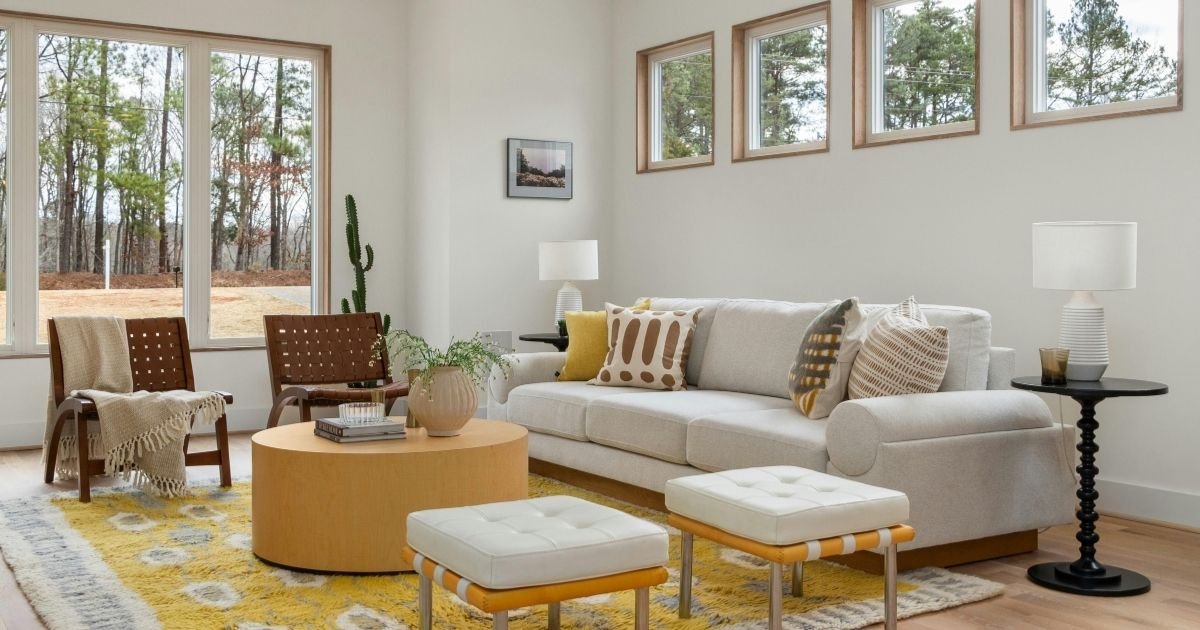
Arrange your furniture to make conversation and movement easier. Place the sofa and chairs around a central point, such as a coffee table, fireplace, or television. Leave enough space between furniture pieces so people can move around comfortably. For better lighting, combine ceiling fixtures with floor lamps and table lamps to create a balanced and inviting living room.
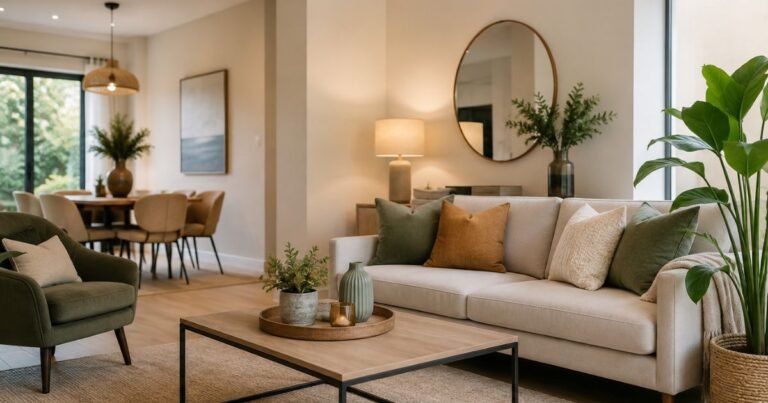
Try mixing soft textiles, such as chunky knit throws and plush cushions, with sleek materials like leather or wood to create visual interest. Opt for a warm color palette that invites relaxation, pairing earthy tones with splashes of vibrant accents to keep the space lively yet serene.
Multiple sources of light, from floor lamps to pendant fixtures, allow for versatility while adding warmth. Adding plants not only breathes life into the room but also promotes a sense of peace. Mix different styles like classic art with modern pieces to make your space feel alive and welcoming.
What is the Best Way to Arrange Furniture
For a living room with a TV, place seating where the screen is easy to see without blocking walkways, then leave enough space for people to move comfortably. Create clear zones for watching, conversation, or other activities by grouping the furniture that supports each one.
Stay symmetrical if you want a calm, balanced look, such as placing matching chairs on either side of a sofa. For a more relaxed feel, try using odd numbers of accessories or seats in a group, and experiment with angles to make conversation areas feel inviting. Once the main pieces are in place, adjust their positions until the room feels open and works for everyday routines.
Finding More Room in Small Spaces
Try a platform bed with built-in storage drawers, a nightstand that doubles as a mini desk, or a coffee table with hidden compartments. Vertical elements can also turn unused wall space into functional storage.
Floating shelves can display decor without taking up precious floor space, while tall bookshelves draw the eye upward and create an illusion of height. With thoughtful planning and smart storage solutions, even a small home can feel spacious, organized, and comfortable.
Rugs, Curtains, and Window Treatments
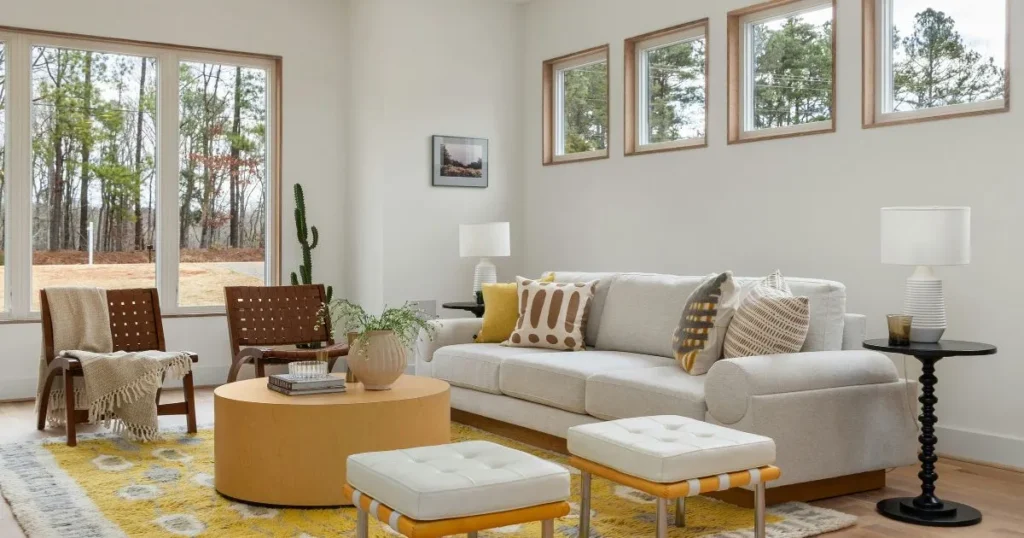
Start with the rug’s color and pattern, then choose curtains that complement it without making the space feel too busy. For a balanced look, pair a patterned rug with simple curtains, or use solid colors across both for a calmer effect.
When exploring window treatments ideas, consider how much light and privacy you want. Curtains can soften a room and add color or texture, while shades or blinds offer another way to manage light. For curtain ideas and window dressing ideas, match the fabric’s weight and length to the room’s style, and use curtain inspiration from colors already present in the rug or furnishings. Together, these choices can make the room feel more cohesive.
Color Combos for Home Decor
When selecting sitting room painting colors, think about the mood you wish to create. For example, muted tones like soft grays and warm beiges can create a serene environment, while vibrant hues like teal or mustard can invigorate the space and inspire creativity. Mixing textures and finishes within similar color palettes can also add depth and interest, such as pairing a matte wall with a glossy accent.
Exploring living room color ideas can involve experimenting with accent walls or colorful furnishings. Introducing a striking piece, such as a bright sofa or patterned rug, can serve as a focal point. Layering shades of one color, like pairing navy blue accents with lighter cerulean, creates a cohesive yet dynamic look.
Warm tones like oranges and yellows can energize a space, while cooler shades like blues and greens promote calmness. A thoughtful blend of paint colors can create a harmonious flow throughout your home, guiding both the eye and the mood from room to room. Always keep in mind that natural light can alter how colors are perceived throughout the day.
If you’re unsure which shades work well together, try a color combos generator to explore different palettes before choosing paint, furniture, or accent colors for your room.
Go Monochrome
A monochrome color scheme can profoundly influence the mood and perception of your space. Choosing a monochrome theme allows for a clean, matching look, where varying shades, tints, and tones of a single color create incredible depth and richness. These color schemes remind us that less can indeed be more, offering a fresh perspective on minimalism and elegance.
Embrace Complementary Colors
Choosing complementary colors, the ones opposite each other on the color wheel, is a great way to add energy and life to a room. This bold combo sparks creativity, making it perfect for spaces like home offices or creative studios.
The bold pairing of eggplant with rich gold creates a sense of opulence and drama. This striking combination can serve as a focal point in a room, while accent colors like lemon, mint, and spice add contrast and personality.
Without crowding the space, let one color dominate the room and use the second one just for accents (like art, or a single feature wall). This simple balance keeps things interesting and easily turns an ordinary room into a lively, beautiful space.
How to Decorate a House on a Budget
Rearranging your furniture can completely change the look of a room without costing a dime. By moving larger pieces into new configurations, you can redefine the flow of the room and even highlight forgotten focal points, like windows or art.
Swapping accessories with friends or family can inject new life into your decor. Exchange decorative pillows, vases, or art pieces to achieve a fresh look, avoiding the expense of buying new items.
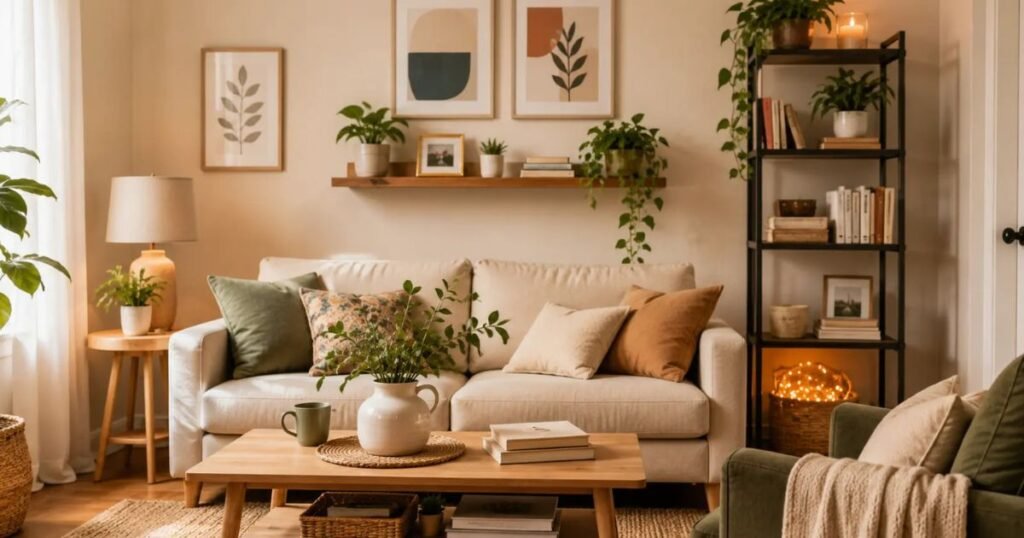
Try mixing and matching thrifted throw pillows, cozy blankets, and vibrant rugs to create a personalized atmosphere. Bringing in plants elevates your decor and cleans the air in the room.
Low-maintenance succulents or lush ferns can breathe life into your space and improve air quality. Use trays to group smaller plants together or to showcase your favorite books and decorative items.
Start by exploring second-hand shops and flea markets, where you can find unique pieces that add character to your space. Look for mismatched furniture, vintage frames, or even DIY project materials.
DIY Home Decor Ideas
One of the most rewarding ways to elevate your home is through hand-made decorations. Crafting your own art can add a personal touch, turning everyday materials into unique focal points. Using recycled materials, you can turn old jars into striking vases and repurpose worn-out fabric into eye-catching wall hangings or cushion covers.
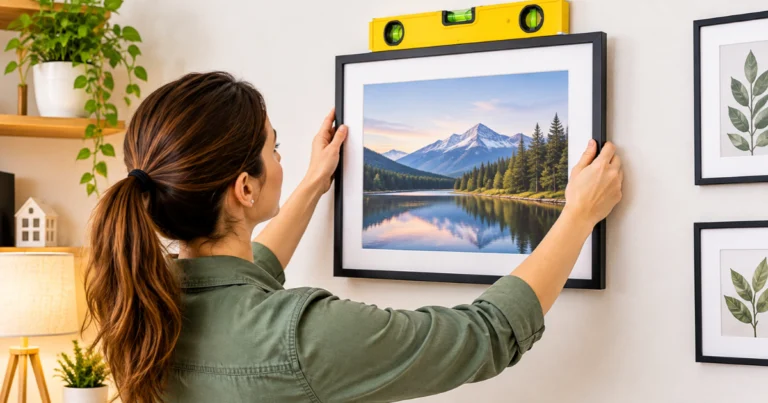
Simple changes, like swapping out artwork or rehanging photos with new frames, can breathe fresh life into your setting without breaking the bank.
How to Bring Nature into Your Home
For those with limited sunlight, low-light options like snake plants or pothos can thrive in dim conditions, providing a lush aura without demanding much care. These hardy plants add greenery to your space and enhance your home decor without demanding much care.
Plant grow lights can significantly extend your planting potential, allowing even the sunniest plants to flourish in dimly lit corners.
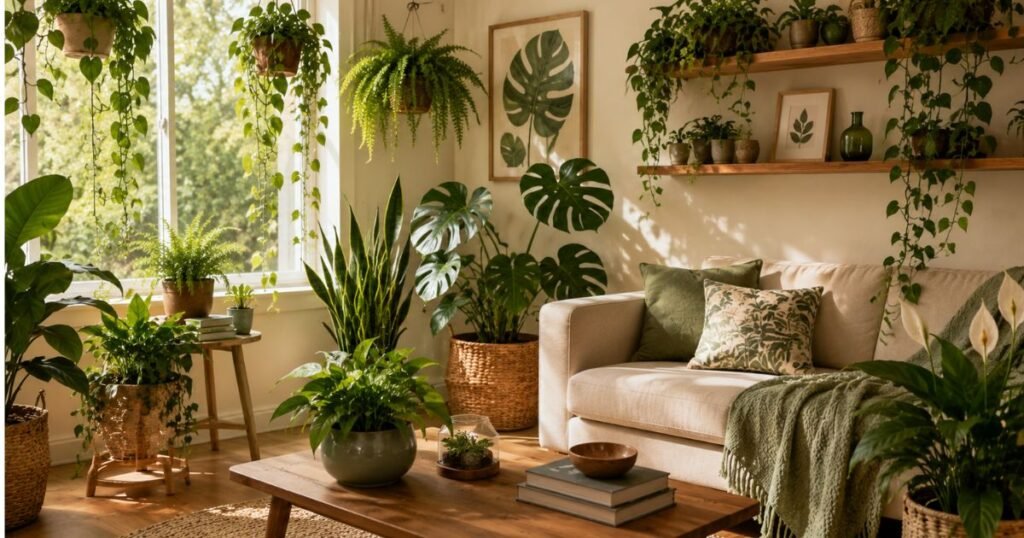
These lights mimic sunlight, enabling you to cultivate a lush indoor garden, whether you’re growing herbs in your kitchen or colorful succulents in your living room. Pair natural wooden furniture with sleek wooden shelves, rattan, bamboo chairs or tabletops to create stunning focal points.
Adding stone and clay to your design can further bridge the gap between the outdoors and your living space. The organic shapes and earthy hues of these materials can provide a refreshing contrast to the sleek lines of modern furniture.
1. Embrace natural elements
Opt for warm-toned woods, textured fabrics, stone surfaces, or touches of leather. These earthy materials reduce the starkness of modern finishes, grounding your spaces.
2. Layer in natural textiles.
Select cotton blankets, linen draperies, and rugs made from jute. Patterns inspired by nature or in earth hues can reflect the outdoors without fully embracing a rustic vibe.
3. Add art that breathes
Artworks featuring landscapes, coastal scenes, or botanical illustrations provide a tranquil ambiance. Check out Etsy or local artisan markets for distinctive and budget-friendly options.
4. Introduce greenery (in a literal sense)
Houseplants like pothos, snake plants, and succulents add greenery to your home. Spider plants and dracaenas are also popular indoor plant options.
Tip: Aim for two mid-sized plants per 100 sq. ft. for optimal freshness.
5. Play with Light.
Natural light can greatly boost both mood and attractive look. Opt for sheer window coverings, use mirrors to amplify sunlight, and select lighter paint shades to maximize the brightness of your interiors.
6. Add Soothing Water and Scent.
A small fountain or minimalist water feature adds tranquility and movement to your space. Use an essential oil diffuser with scents like lavender or eucalyptus to create a refreshing atmosphere.
7. Celebrate the Seasons
Decorate with natural elements that change throughout the year- dried cones and garlands during winter, blooming flowers and greenery in spring, and colorful leaves or dry branches in autumn.
8. Grow or Gather Blooms.
- Fresh blooms can elevate any room’s overall look.
- DIY option: Plant a patch of wildflowers.
- Weekend activity: Spend a day at a U-pick flower farm.
- Low-effort option: Grab a bouquet from Trader Joe’s or Whole Foods for a quick uplift.
Incorporating Some Personality with Details
Small decorative details can work wonders in adding character to a room without making massive changes. Unique lamps, stylish clocks, and a curated personal collection displayed on shelves can serve as engaging conversation starters.
Create a personal display using framed family photographs, travel souvenirs, favorite books, or handmade decorations. Arrange these items on shelves, console tables, or gallery walls to give your home a more personal feel. Mix different frame sizes and decorative objects, but leave some open space so the display looks organized rather than cluttered.
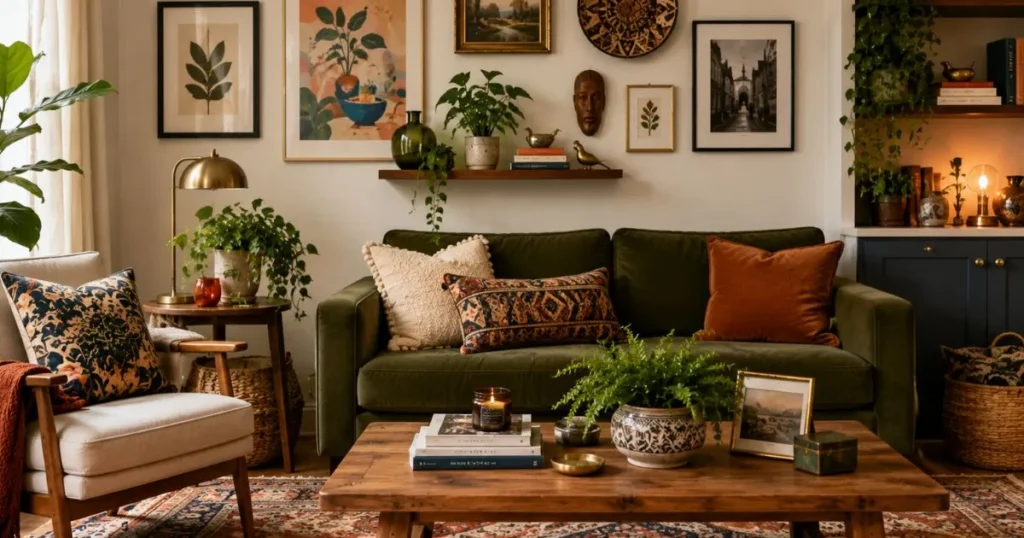
Layering fabric textures, mixing wood or metal elements, and introducing travel souvenirs or family photos can elevate the atmosphere, making it feel warm and inviting. By arranging these meaningful pieces together, you turn a simple living space into a warm sanctuary that beautifully reflects your personal journey
How to Create a Relaxing Bedroom Environment
Decluttering your bedroom can enhance its appearance and create a more peaceful atmosphere. Use practical storage solutions such as decorative baskets, bedside organizers, and storage boxes to keep everyday items out of sight. A calming color palette with soft hues like muted blues, warm beiges, or earthy tones can create a cozy bedroom design. To support a relaxing nighttime routine, opt for adjustable lighting that allows you to create a softer atmosphere in the evening.
Bring together soft materials, light colors, and minimal furnishings to create a comfortable bedroom environment. Scented candles, bedside lamps, warm blankets, or a plush throw tossed over a sleek chair can give the space an additional sense of comfort.
A few indoor plants can bring life and vibrancy to the room, transforming a simple bedroom into a personal haven that perfectly balances light and texture.
Final Thoughts on Blog Home Decor
Creating a beautiful home does not always require a big budget or major changes. Simple updates, thoughtful colors, natural elements, and personal details can completely change how your space feels. Choose pieces that reflect your style while keeping comfort and functionality in mind. With a little creativity, even small changes can make your home feel fresh, welcoming, and truly yours.