
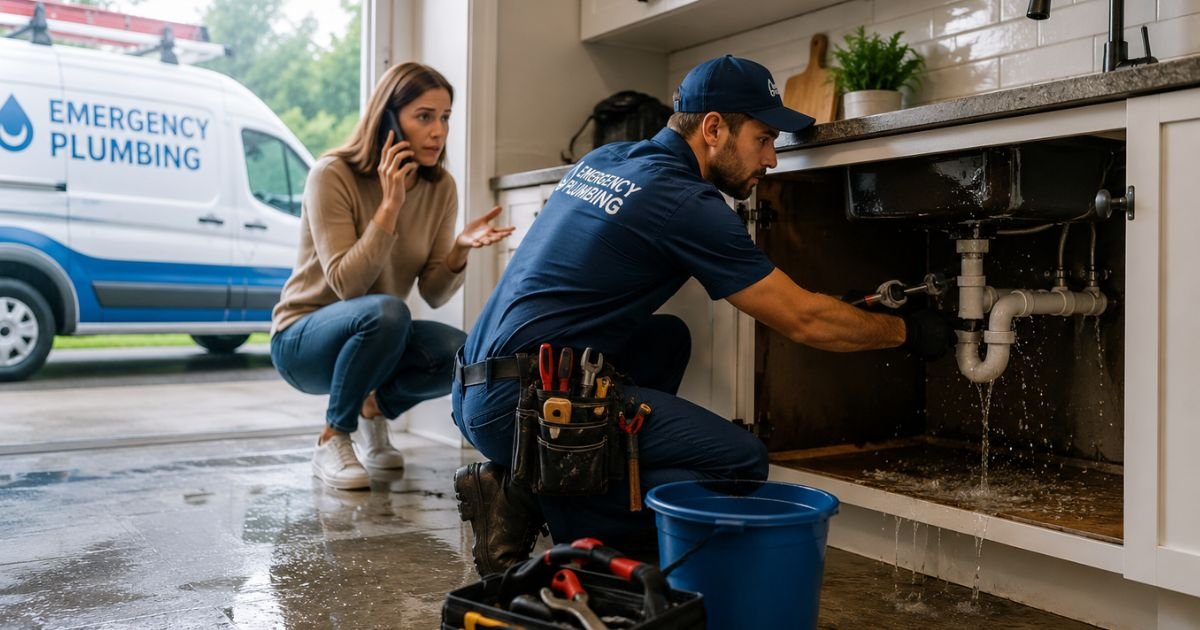
Water damage is not just an inconvenience; it can lead to severe structural issues and hefty bills if not addressed promptly. Many homeowners underestimate the impact of Fast Emergency Plumbing Services until it’s too late. In this article, we’ll examine the benefits of rapid response services and share essential tips for minimizing damage during plumbing emergencies
What Are Fast Emergency Plumbing Services?
An emergency plumbing service is more than just a quick fix; it’s a lifeline during unexpected water-related crises. Imagine a burst pipe flooding your basement at midnight or a severely clogged toilet when guests are in town. In those moments, you need a team that can respond swiftly, bringing not only expertise but also peace of mind. These professionals are equipped to handle everything from sudden leaks to complete system failures, often available 24/7 to tackle urgent issues head-on.
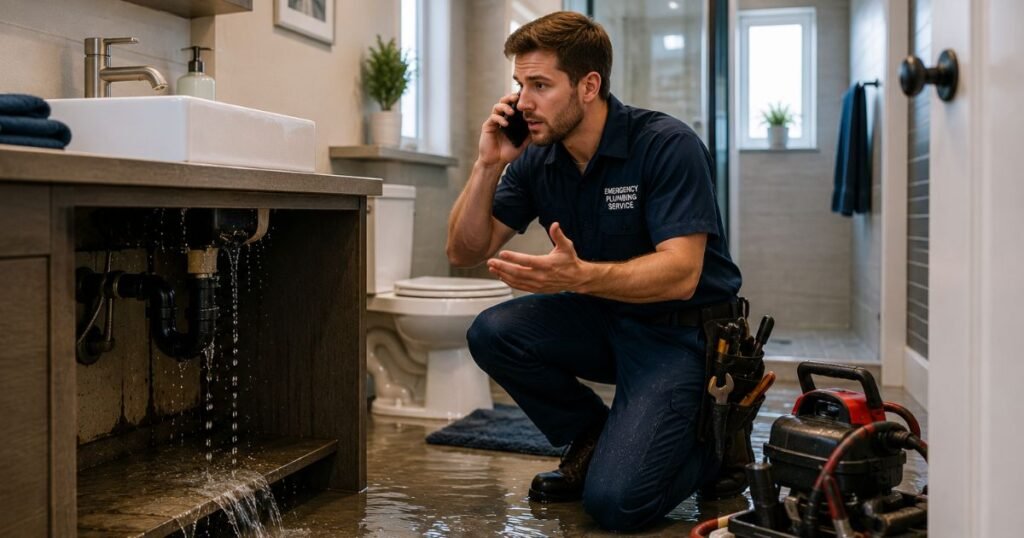
In addition to immediate repairs, emergency plumbing services can offer preventive solutions that save homeowners from future disasters. For instance, routine inspections can identify potential weak spots in your plumbing system, allowing for timely interventions before they escalate into costly emergencies. This proactive approach not only protects your property but also educates homeowners on maintaining a healthy plumbing system.
How Water Damage Happens So Quickly
Water damage can escalate alarmingly fast, often catching homeowners off guard. It’s not just the result of major disasters like floods or burst pipes; even minor leaks or condensation can create substantial problems. For instance, a small drip from a faucet may seem harmless, but over time, it can lead to mold growth and structural damage.
The speed at which water can permeate materials adds to the urgency of the situation. Porous surfaces such as drywall, wood, and carpeting absorb water quickly, allowing moisture to spread within hours. This rapid absorption not only enables a proliferation of mold spores, but it can also compromise electrical systems and insulation, turning a minor issue into a major crisis in just a matter of days.
Fast Response Saves Your Home
In the whirlwind of emergencies, time is your greatest ally. When faced with water damage, fire, or mold infestations, the first few minutes are often the most critical. A rapid response doesn’t just mitigate damage; it significantly reduces repair costs and protects your home’s structural integrity. Every moment delays can lead to escalating issues, as mold can start to grow in as little as 24 hours, and fire damage can spread exponentially if not addressed immediately.
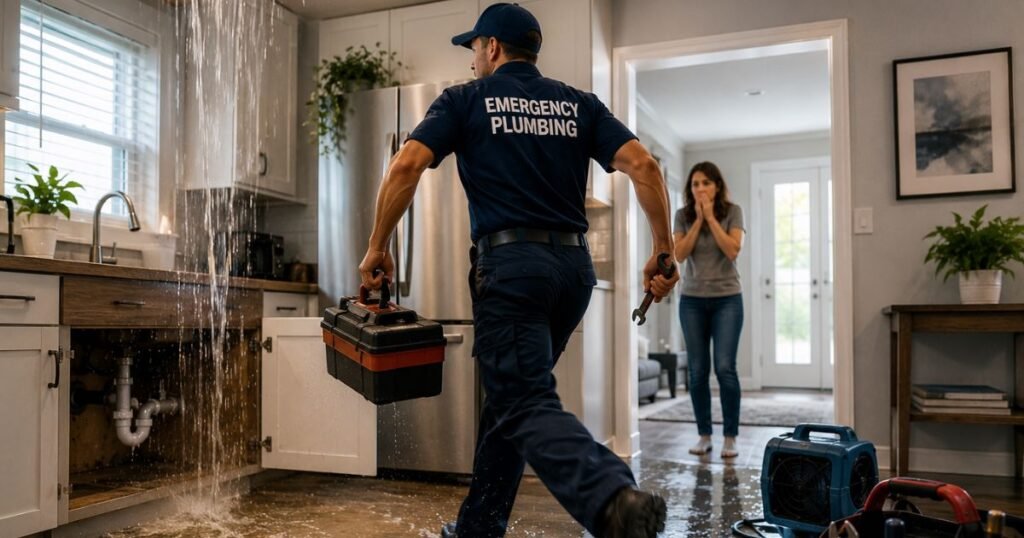
Engaging professionals promptly means they can deploy specialized equipment and techniques tailored to the specific crisis at hand, ensuring a more comprehensive restoration. Investing in preparedness through quick response not only saves your home but also creates an informed mindset that can rally your community and foster connections for future readiness.
Prevents Expensive Home Repairs
Regular home maintenance is your first line of defense against costly repairs. Think of it as an investment in both your property and peace of mind. For instance, ignoring small water leaks may seem harmless, but they can lead to mold growth and structural damage, racking up thousands in repairs. A simple check of your plumbing and roof can save you from a financial headache later on.
Seasonal maintenance tasks, like cleaning gutters and inspecting HVAC systems, can significantly extend the life of your home’s systems. This proactive approach not only preserves your property value but also enhances energy efficiency, reducing monthly utility bills.
Stops Mold Before It Starts
Mold thrives in environments where moisture is prevalent, making prevention a vital strategy for homeowners. One of the most effective ways to stop mold before it starts is through vigilant moisture management. This means not only fixing leaks promptly but also understanding the less visible areas of your home, like behind walls and under sinks, where dampness can linger unnoticed. Consider investing in a hygrometer to monitor indoor humidity levels, aiming to keep them between 30% and 50% a range that discourages mold growth.
Another key approach is to enhance ventilation throughout your home. Simple changes, such as opening windows during sunny days and using exhaust fans in kitchens and bathrooms, can significantly reduce humidity levels. Implementing air purifiers with HEPA filters can help capture mold spores before they settle. By choosing materials wisely like mold-resistant paints and moisture barriers homeowners can create an inhospitable environment for mold to flourish.
Final Thoughts
As we reflect on the journey explored within this narrative, it becomes clear that the essence of growth lies in embracing uncertainty. Each twist and turn serves not merely as a challenge but as an opportunity for rediscovery. Life, much like a well-crafted story, is rich in complexity.
In closing, consider that every ending is merely a new beginning waiting to unfold. Embrace the ambiguity of life with open arms; there lies the potential for transformation and deeper understanding.