
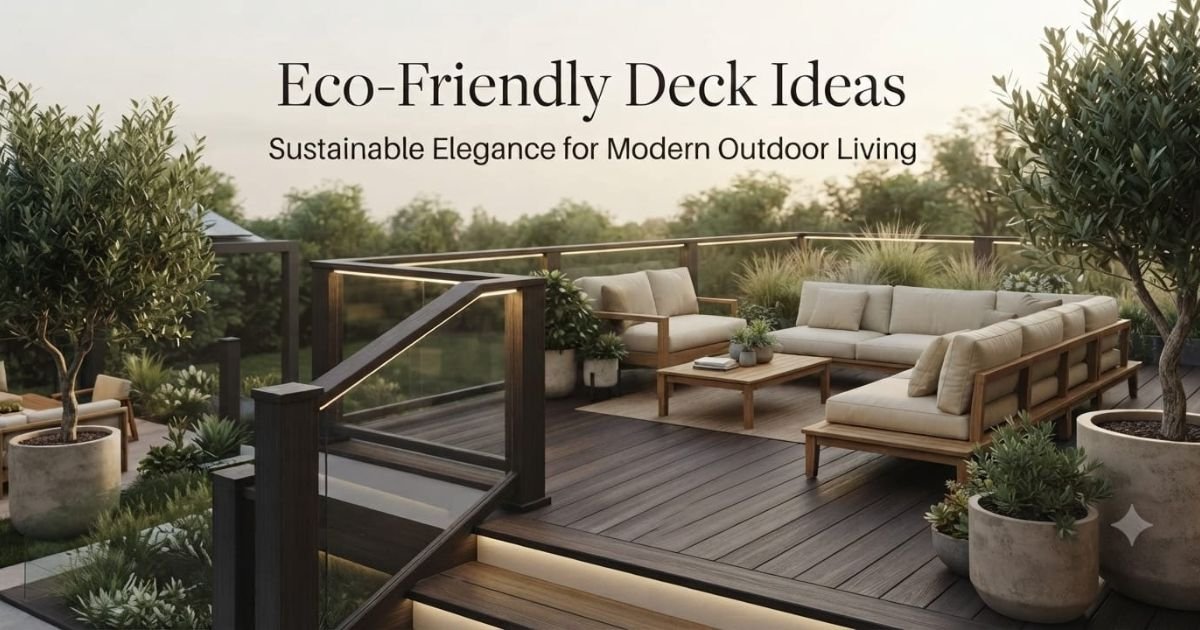
Luxury decks are becoming a desirable part of the home, and the right materials play a crucial role in ensuring that they last for decades to come. When it comes to eco friendly wood alternatives, modern eco-friendly wood alternatives provide unrivaled resilience against the elements and require less maintenance to retain their visual appeal. At the same time, these alternatives promote green building practices by using recycled materials and other renewable resources to create beautiful and durable wood composites that will complement your outdoor area for years.
What Is Sustainable Decking?
Sustainable decking is an elegant outdoor construction of boards made in the most environmentally friendly way, minimizing the negative impact on the environment. Compared to conventional wood, alternative materials are used in eco-friendly decking that ensures good quality and environmental sustainability. Eco-friendly decks allow the owner to enjoy the beauty of the natural environment with confidence in the quality and safety of their property.
Today, composite wood products, bamboo, thermally modified timber, recycled plastic, and certified hardwood decks are natural and innovative materials that can be used to make a sustainable deck. Durable and high-quality products are made with special technology to resist the effects of extreme weather conditions, moisture, and pests. The sustainable wood decking was improved and became extremely popular among homeowners due to its excellent qualities and opportunities it provides. It is possible to create an exceptional space with natural materials and enjoy the elegant country-style atmosphere of an outdoor living area with all the comfort of a luxury home.
Importance of Choosing Sustainable Materials
The materials used for your deck make a difference in its look and sustainability. Choosing the best eco-friendly wood alternatives reduces the consumption of raw materials and ensures that the production process is ethical. Many companies nowadays offer products made from recycled plastics or wood, so it is easier than ever to make an eco-conscious choice.
Luxury decks must be beautiful, but they also have to be functional. The best sustainable decking materials will protect the structure from UV light, moisture, and other environmental conditions, as well as ensure its long-lasting appearance. They are also easy to maintain, so you will not have to spend much time and effort on repairs or treatments such as sanding or staining.
In addition, most of the best eco-friendly wood alternatives are cost-effective in the long run, despite their expensive initial cost. Therefore, it is possible to find materials that would suit both your luxury lifestyle and ethical values.
Eco-Friendly Decking Options for Sustainable Living
Choosing the wood alternative for your decks is one of the most crucial steps in creating a luxury outdoor living area. The best eco friendly wood alternatives offer unrivaled aesthetics plus innovative features that enhance their performance and promote sustainability. From authentic hardwoods to cutting-edge man-made materials, the options for best eco-friendly wood alternatives are extensive and offer something unique for every luxury outdoor project.
Below are some of the best eco-friendly wood alternatives good for creating a beautiful and durable deck.
Recycled Plastic Decking
Recycled plastic decking is an innovative construction material that has been converted from plastic waste into a durable building material fit for a wide range of applications. This wood alternative is a great option for homeowners who want to reduce landfill waste while creating a long-lasting and stylish deck.
The recycled plastic decking boards are resistant to mold, rot, moisture, and insects, and offer the perfect balance of style, value, and performance. This eco-friendly material is super easy to install and super strong. It is suitable for luxury outdoor decks, especially for homeowners living near the beach or in swampy areas.
FSC-Certified Wood Decking
For homeowners who prefer genuine wood, FSC-certified timber remains one of the most responsible choices. The Forest Stewardship Council (FSC) certification ensures that wood is harvested from responsibly managed forests that prioritize biodiversity, environmental protection, and sustainable forestry practices.
Although it is natural timber, FSC-certified wood is often considered among the best eco-friendly wood alternatives because it supports responsible sourcing and reduces the environmental impact associated with conventional logging.
Thermally Modified Wood
Thermally modified wood is produced by heating natural timber at high temperatures without using harmful chemicals. As one of today’s most innovative wood alternatives, thermally modified wood offers many of the benefits of tropical hardwoods with a reduced environmental footprint. It is less likely to warp, shrink, or expand, making it an excellent option for premium outdoor decking.
Its rich color and refined finish make it especially attractive for contemporary luxury homes seeking sustainable outdoor materials.
Natural Stone Decking
Natural stone resists moisture, fire, insects, and harsh weather conditions, making it suitable for patios, pool decks, and outdoor entertainment areas. Its timeless appearance also adds significant value to residential properties.
For homeowners prioritizing longevity and premium aesthetics, natural stone remains one of the most durable sustainable outdoor flooring options available.
Ipe Wood Decking
Among premium wood alternatives, responsibly sourced Ipe offers one of the longest service lives, often lasting several decades with proper care. Its elegant grain and natural color make it a favorite for luxury outdoor living spaces.
Although it requires periodic maintenance to preserve its original color, Ipe remains one of the finest choices for upscale residential decking.
Jatoba Decking
Jatoba, commonly known as Brazilian Cherry, is valued for its striking reddish-brown color and impressive hardness. When responsibly sourced, Jatoba serves as a premium natural option alongside other wood alternatives. Its distinctive appearance makes it particularly popular in modern architectural projects that emphasize natural materials and timeless elegance.
Garapa Wood Decking
Garapa is a light-colored tropical hardwood appreciated for its smooth texture, stability, and resistance to outdoor conditions. Its golden appearance creates a bright and inviting atmosphere that complements both traditional and contemporary homes.
Garapa can also be considered among the wood alternatives for homeowners who prefer authentic wood over synthetic materials.
FSC® Machiche Wood Decking
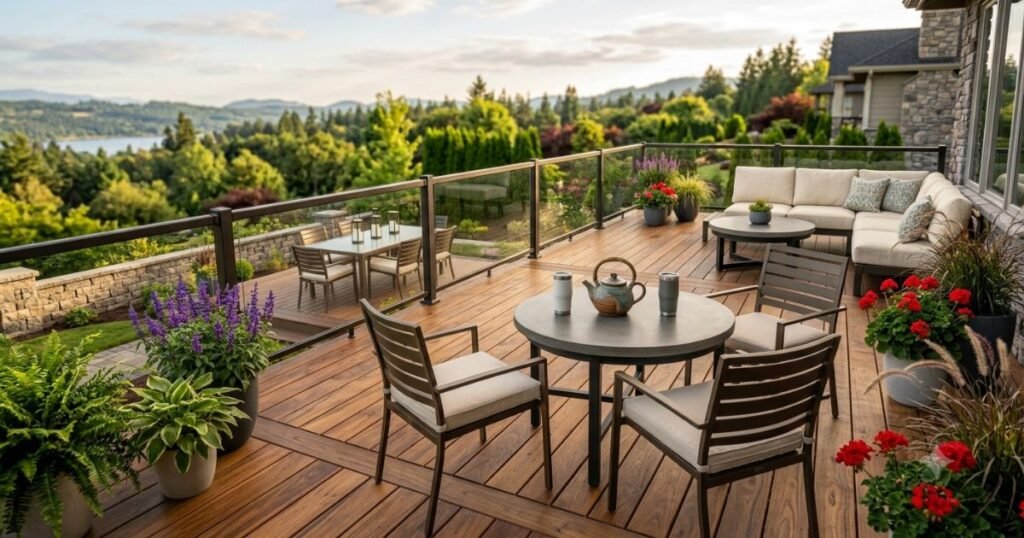
FSC® Machiche is a premium hardwood with a beautiful natural color, high density, and increased durability. Thanks to the responsible sourcing practice, this type of wood is appropriate for those who want to make a difference through sustainable building without giving up on luxury.
FSC-certified Machiche is an ideal choice for environmentally conscious homeowners who desire to invest in natural hardwood. It features impressive characteristics, including remarkable strength, high resistance to insects and weather, and a luxurious appearance. Thus, with FSC® Machiche, it is possible to achieve the best of two worlds in a luxury deck: ecological sustainability and extraordinary durability.
Benefits of Using Sustainable Decking
Investing in wood alternatives is about more than protecting the environment. These modern decking materials offer a balance of luxury, performance, and long-term value that traditional wood often struggles to match. Whether you are designing a contemporary backyard retreat or upgrading an existing deck, sustainable materials provide lasting benefits without compromising style.
Many premium decking products are manufactured using recycled materials, responsibly sourced timber, or innovative engineering processes that reduce environmental impact. At the same time, they deliver excellent durability, weather resistance, and low-maintenance performance, making them ideal for modern outdoor living.
Environmental Stewardship
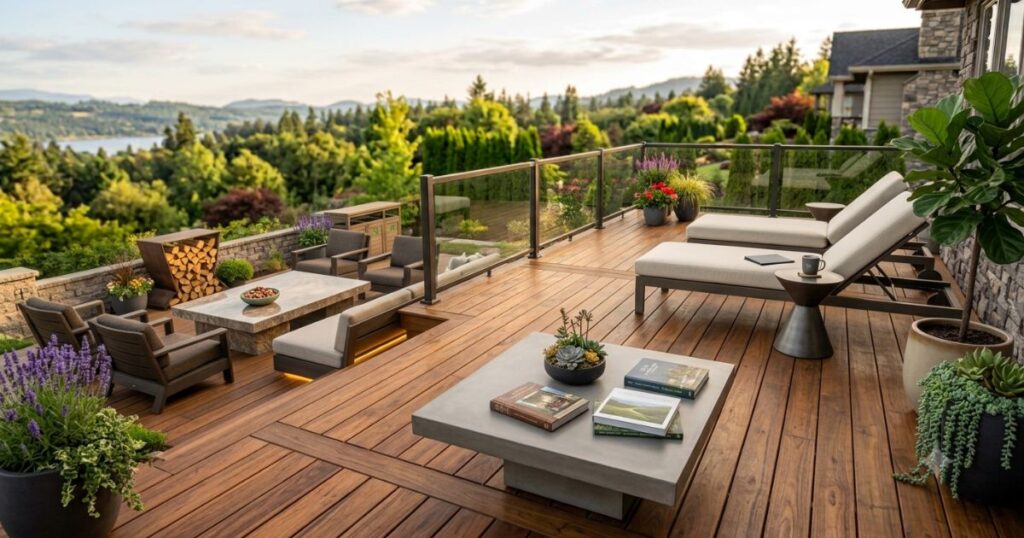
One of the greatest advantages of choosing wood alternatives is their positive environmental impact. Materials such as composite decking, recycled plastic decking, and FSC-certified wood reduce pressure on natural forests while encouraging responsible manufacturing practices.
Many sustainable decking products also incorporate recycled content, helping divert waste from landfills and supporting a circular economy. Choosing environmentally responsible materials allows homeowners to create luxurious outdoor spaces while contributing to long-term resource conservation.
Long-Term Value and Durability
Luxury outdoor spaces should be built to last. Modern wood alternatives are engineered to resist fading, moisture, insects, mold, and rot, significantly reducing repair and replacement costs over time.
Although premium sustainable decking may require a higher upfront investment, its extended lifespan and minimal maintenance often provide better overall value. Homeowners spend less time on upkeep and enjoy a beautiful outdoor space for many years.
Enhanced Aesthetics
Today’s sustainable decking materials closely replicate the warmth and texture of natural timber while offering greater design flexibility. Advanced manufacturing techniques create realistic wood-grain finishes, rich color options, and elegant surface textures that complement both modern and traditional architecture.
Whether you prefer a minimalist design or a luxurious outdoor entertainment area, wood alternatives provide premium aesthetics that elevate the overall appearance of your property.
Stone Decking
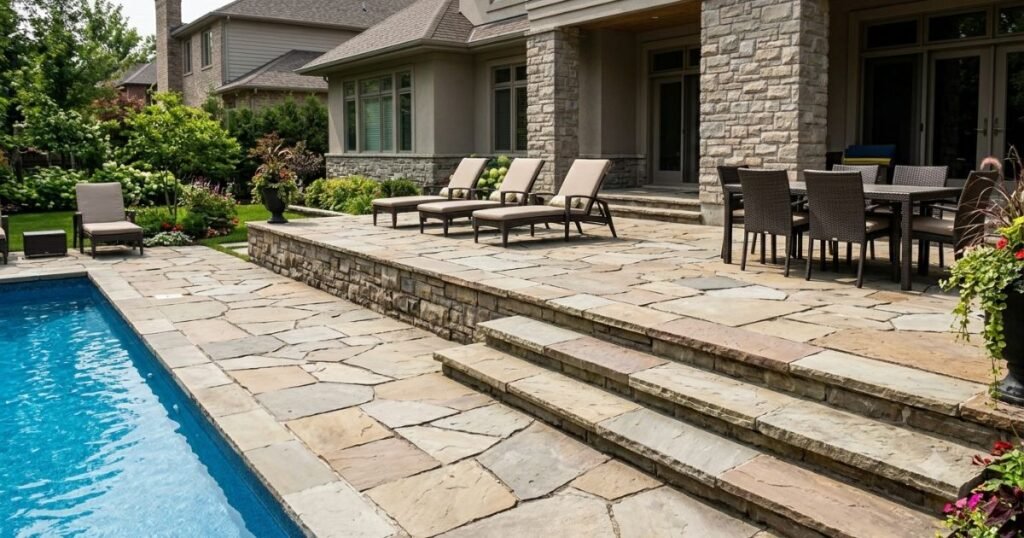
Natural stone remains one of the most luxurious alternatives for outdoor flooring. While it differs from traditional timber, it complements wood alternatives by offering unmatched durability and timeless elegance.
Materials such as granite, slate, sandstone, and limestone create sophisticated outdoor spaces that withstand harsh weather conditions with minimal maintenance. Their exceptional lifespan reduces the need for replacement, making them a sustainable investment over the long term.
Stone decking pairs beautifully with modern landscaping, water features, and outdoor kitchens, creating a refined environment that blends luxury with lasting performance.
Composite Decking
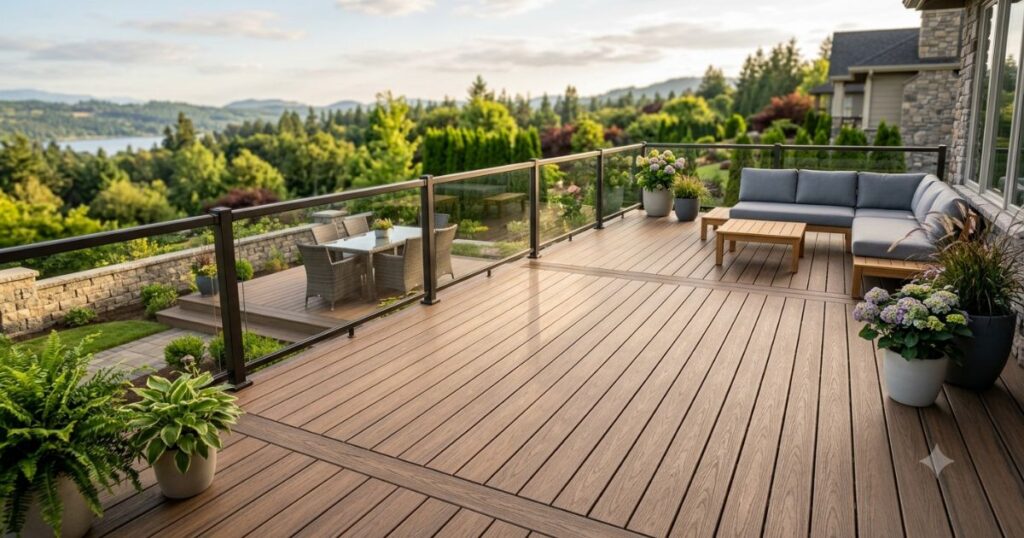
Composite decking continues to lead the market as one of the wood alternatives for luxury homes. Manufactured from recycled wood fibers and recycled plastics, it combines sustainability with exceptional performance.
Available in a wide range of premium finishes and natural wood textures, composite decking allows homeowners to achieve an upscale appearance while supporting environmentally responsible construction.
Ipe Decking
Ipe decking is widely recognized for its outstanding strength and rich natural appearance. When responsibly harvested from certified forests, it serves as a premium natural option among wood alternatives.
Its dense hardwood structure provides exceptional resistance to moisture, decay, insects, and heavy foot traffic. These qualities make Ipe particularly suitable for luxury pool decks, waterfront properties, and high-end residential projects.
Bamboo Decking
Bamboo decking demonstrates that renewable materials can also deliver premium performance. As one of the fastest-growing plants on Earth, bamboo regenerates much faster than traditional hardwood trees, making it one of the most sustainable wood alternatives available.
Modern manufacturing processes increase its hardness and weather resistance, allowing bamboo decking to perform well in demanding outdoor environments. Its smooth grain and contemporary appearance make it an excellent choice for luxury landscape designs.
Recycled Decking
Recycled decking transforms post-consumer plastics and reclaimed materials into durable outdoor surfaces that require very little maintenance. This approach reduces landfill waste while creating products capable of withstanding moisture, UV exposure, and changing weather conditions.
Among today’s wood alternatives, recycled decking offers one of the lowest environmental footprints. It maintains its appearance for years without cracking, rotting, or splintering, making it especially suitable for busy households and commercial-style outdoor living spaces.
Considerations When Choosing Sustainable Decking
Selecting the right decking material involves more than comparing appearances. The wood alternatives should align with your climate, maintenance preferences, budget, and overall design vision.
Local Climate and Environment
Weather conditions play a significant role in material performance. Areas with heavy rainfall, coastal humidity, or intense sunlight require decking that offers excellent moisture resistance, UV protection, and dimensional stability.
Composite decking and recycled plastic products often perform exceptionally well in demanding climates, while certified hardwoods may require periodic maintenance to preserve their appearance.
Maintenance Needs
Every homeowner has different maintenance expectations. Composite and recycled decking typically require only routine cleaning, whereas natural hardwoods benefit from occasional oiling or sealing to maintain their original color.
Considering long-term maintenance requirements helps ensure your chosen wood alternatives continue to deliver both beauty and performance.
Budgetary Considerations
Initial purchase price should always be evaluated alongside long-term ownership costs. While premium hardwoods may involve higher installation expenses, composite decking often reduces future maintenance costs significantly.
Balancing upfront investment with expected lifespan, maintenance savings, and overall durability allows homeowners to make informed decisions that maximize long-term value.
Additional Best Practices for Eco-Friendly Decking
Creating a sustainable luxury deck extends beyond selecting the right material. Proper planning, responsible sourcing, and quality installation all contribute to the long-term success of your project.
Choose decking products manufactured with recycled content or certified by organizations such as the Forest Stewardship Council (FSC). Working with experienced installers also helps ensure proper ventilation, drainage, and structural support, reducing the likelihood of future repairs.
Routine maintenance further extends the lifespan of wood alternatives. Simple practices such as cleaning debris, inspecting fasteners, and maintaining proper drainage help preserve both appearance and structural integrity for many years.
Stay Ahead of Sustainability Trends with Eco-Friendly Decking Options
Luxury outdoor design continues to evolve as homeowners seek materials that combine exceptional aesthetics with environmental responsibility. The newest wood alternatives feature advanced composite technologies, enhanced recycled materials, improved fire resistance, and realistic wood-grain finishes that closely replicate natural timber.
Design trends are also shifting toward seamless indoor-outdoor living, multi-level entertainment spaces, integrated lighting, and sustainable landscaping. These features work together to create outdoor environments that are both visually impressive and highly functional.
45 Inspiring Wood Deck Design Ideas for Luxury Outdoor Living
A beautifully designed deck can completely transform the way a home connects with nature. Today’s wood alternatives allow homeowners to create elegant outdoor spaces that feel luxurious while supporting sustainable living. From relaxing garden retreats to sophisticated entertainment areas, sustainable decking materials offer endless possibilities for creating functional and visually stunning environments.
The right deck design is not only about choosing premium materials. It is about creating a space that reflects your lifestyle, enhances your property, and blends seamlessly with the surrounding landscape. These inspiring ideas showcase how sustainable decking, composite materials, and responsibly sourced wood alternatives can redefine modern outdoor living.
1. Patio and Pool Decking
Pool and patio areas are some of the most popular places to incorporate eco-friendly wood alternatives. A carefully designed deck creates a smooth transition between the home and outdoor spaces while adding comfort and style.
Modern composite decking works especially well around pools because it offers moisture resistance, slip resistance, and easy maintenance. Combined with elegant outdoor furniture and landscape lighting, a sustainable pool deck can become a private luxury retreat.
2. Nail the Transition
A successful deck design creates a natural connection between indoor and outdoor areas. Using matching colors, textures, and materials helps create a seamless transition from living rooms to exterior spaces.
Premium wood alternatives make this easier by offering realistic wood finishes that complement interior flooring while maintaining the durability needed for outdoor conditions.
3. Furniture and Decking Combined
A luxury deck should feel like an extension of your home, not just an outdoor platform. Integrating comfortable seating, dining areas, and decorative elements creates a welcoming environment for relaxation and entertainment.
Sustainable decking materials provide the perfect foundation for outdoor furniture arrangements, helping homeowners design spaces that feel stylish, practical, and environmentally responsible.
4. Beautiful Function
The best deck designs balance appearance with everyday usability. A well-planned outdoor space should provide areas for dining, relaxing, gardening, or entertaining guests.
Choosing durable wood alternatives ensures that your deck remains beautiful while handling daily use, changing weather, and long-term exposure.
5. Multi-Level Decking
Multi-level decks add depth, dimension, and architectural interest to outdoor spaces. Different levels can separate areas for dining, lounging, cooking, or enjoying nature.
Using sustainable decking materials across multiple platforms creates a sophisticated design while maintaining consistency throughout the entire outdoor area.
6. Perfect Match
A cohesive outdoor design comes from choosing materials that complement your home’s architecture. The right decking color, texture, and finish can enhance everything from modern homes to traditional properties.
Today’s wood alternatives offer a wide variety of styles, allowing homeowners to achieve a customized luxury appearance without sacrificing sustainability.
7. Decking as Seating
Creative deck designs can transform built-in decking into comfortable seating areas. Integrated benches, steps, and lounge spaces maximize functionality while maintaining a clean architectural look.
Composite decking and other sustainable materials are ideal for these designs because they provide strength, comfort, and long-lasting performance.
8. A Nod to the Past
Classic deck designs inspired by traditional craftsmanship continue to remain popular. Natural tones, timeless layouts, and warm textures create outdoor spaces with a welcoming character.
Modern wood alternatives allow homeowners to achieve this traditional appearance while benefiting from improved durability and environmental advantages.
9. Outdoor Living
Outdoor spaces are becoming true extensions of the home. Many homeowners now design decks with kitchens, dining areas, fireplaces, and comfortable seating zones.
Sustainable decking provides a stylish base for these complete outdoor living environments, helping create spaces that feel luxurious throughout every season.
10. Floating Wood Deck
Floating decks create a modern, minimalist appearance by appearing slightly raised above the landscape. They work especially well in gardens, small yards, and contemporary homes.
Using wood alternatives for floating designs provides the beauty of natural wood while offering better resistance against moisture and outdoor conditions.
11. Unexpected Placement
A deck does not always need to be positioned directly behind the house. Creative placement can transform unused corners, side yards, rooftops, or garden areas into valuable outdoor spaces.
Sustainable materials make these unique designs easier to maintain while allowing homeowners to explore more creative layouts.
12. Private Terrace
A private terrace deck creates a peaceful escape away from busy indoor areas. Adding plants, privacy screens, and comfortable furniture can turn a simple deck into a relaxing personal retreat. Durable wood alternatives help maintain a premium appearance while requiring less maintenance over time.
13. Raising Decking Platforms
Raised decking platforms add structure and visual separation to outdoor spaces. They are ideal for uneven landscapes or homes where elevation changes need to be incorporated into the design.
Premium sustainable decking materials provide the strength needed for elevated structures while supporting a modern architectural style.
14. Outdoor Seating
Comfortable seating is essential for creating an inviting outdoor environment. Built-in benches, lounge areas, and dining spaces can make a deck feel like an additional living room.
With the right wood alternatives, homeowners can create seating features that remain attractive and durable through years of outdoor use.
15. Multi-Layered Design
Layered deck designs introduce different heights, textures, and functional zones. This approach creates a more dynamic outdoor experience and makes large spaces feel organized.
Sustainable decking materials help bring these complex designs together with consistent finishes and long-term reliability.
16. Platform Deck Design
Platform decks are known for their simplicity and clean appearance. Their straightforward design works beautifully with modern homes and minimalist landscapes.
Using composite decking or other wood alternatives enhances the design with durability and low-maintenance benefits.
17. Transitional Decking
Transitional decking connects different areas of the property, such as gardens, patios, and entrances. It improves movement while creating a visually connected outdoor environment.
Sustainable materials provide a polished finish that helps these pathways blend naturally with surrounding landscapes.
18. Complementary Materials
Combining decking with stone, glass, metal, or greenery can create a high-end architectural appearance. Mixed-material designs add texture and personality to outdoor spaces.
Pairing wood alternatives with natural elements creates a balanced look that feels both luxurious and connected to nature.
19. Contemporary Design
Modern deck designs focus on clean lines, simple layouts, and refined finishes. Neutral colors and minimalist details create a sophisticated outdoor atmosphere.
Eco-friendly composite decking and premium sustainable materials perfectly support this contemporary design approach.
20. Durable Pool Decking
Pool decks require materials that can handle water exposure, sunlight, and frequent use. Sustainable decking options provide excellent performance while maintaining an elegant appearance.
Moisture-resistant wood alternatives are especially valuable for creating safe and stylish poolside environments.
21. Sunken Deck
Sunken decks create a cozy, intimate atmosphere by lowering the seating area into the landscape. They are ideal for creating outdoor conversation spaces.
With carefully selected sustainable materials, these designs can achieve a luxury resort-like feeling while remaining environmentally responsible.
22. Decking Walkway
A decking walkway can guide visitors through gardens, outdoor areas, or different sections of a property. It adds both function and visual appeal.
Durable wood alternatives provide a stable surface that withstands outdoor conditions while enhancing landscape design.
23. Blending Interiors and Exteriors
Modern homes increasingly focus on creating a seamless connection between indoor and outdoor areas. Decks that match interior design elements create a smooth visual flow.
Using premium sustainable decking materials allows homeowners to achieve this connection while maintaining durability and environmental responsibility.
24. Brilliant Curves
Curved deck designs add softness and creativity to outdoor spaces. Unlike traditional straight layouts, curved decking creates a more natural flow that follows the shape of gardens, pools, or architectural features.
Using wood alternatives for curved designs allows homeowners to achieve a luxury appearance while benefiting from materials that offer durability, flexibility, and long-term performance. These designs work especially well for modern homes that embrace organic shapes and natural surroundings.
25. Upper Story Deck
An upper-story deck can transform unused vertical space into a beautiful outdoor retreat. These elevated designs provide stunning views, additional entertaining space, and a stronger connection with the outdoors.
High-quality sustainable decking materials are essential for these projects because they must withstand weather exposure while maintaining structural reliability. Composite decking and responsibly sourced hardwoods are popular choices for creating elegant upper-level outdoor spaces.
26. Versatile Garden Pool Deck
A garden pool deck combines relaxation, nature, and luxury design. By surrounding pools with greenery, comfortable seating, and premium decking materials, homeowners can create a private resort-style environment. Wood alternatives are particularly valuable in these spaces because they provide moisture resistance, easy maintenance, and a beautiful appearance that complements natural landscapes.
27. Pedestrian Walkway
A well-designed decking walkway can guide movement through gardens, outdoor entertainment areas, and different sections of a property. It adds structure while enhancing the overall landscape design.
Using sustainable materials creates pathways that are both visually appealing and durable. Modern wood alternatives provide excellent resistance against outdoor conditions while maintaining a refined finish.
28. Multi-Directional Decking
Multi-directional decking layouts use different board patterns and angles to create visual interest. This approach can make large outdoor areas feel more dynamic and professionally designed.
Premium decking materials with realistic wood textures allow homeowners to experiment with creative patterns without sacrificing durability or sustainability.
29. Clean Lines
Clean lines are a defining feature of contemporary luxury deck design. Simple layouts, minimal decoration, and carefully planned details create a sophisticated outdoor atmosphere.
Wood alternatives with smooth finishes and modern color options are perfect for achieving this elegant minimalist style while supporting sustainable home improvement.
30. Eco-Friendly Design
Sustainable deck design focuses on creating beautiful spaces while reducing environmental impact. This includes selecting responsible materials, improving durability, and designing spaces that work naturally with the surrounding environment.
Choosing wood alternatives helps homeowners build outdoor areas that reflect modern values of sustainability, comfort, and luxury living.
31. Circular Decking
Circular decking creates a unique focal point in gardens and outdoor areas. Rounded designs can highlight seating zones, fire pits, or landscape features while adding architectural interest.
With flexible sustainable decking solutions, homeowners can create creative shapes while maintaining strength, safety, and long-lasting performance.
32. Playground Decking
Decking is not limited to entertainment spaces. It can also create safe and attractive areas for children’s outdoor activities.
Durable wood alternatives offer smooth, splinter-resistant surfaces that are easier to maintain while providing a comfortable environment for family-friendly outdoor spaces.
33. Minimalist Decking
Minimalist decking focuses on simplicity, balance, and functionality. It uses clean surfaces, neutral tones, and uncluttered layouts to create a peaceful outdoor environment.
Composite decking and other sustainable materials support this style by offering refined finishes with minimal upkeep requirements.
34. Decking Pathways
Decking pathways add charm and practicality to gardens, landscapes, and outdoor areas. They create a clear route while enhancing the visual connection between different spaces.
Using wood alternatives ensures these pathways remain attractive, weather-resistant, and environmentally responsible for years.
35. Nature Retreat
A nature-inspired deck creates a peaceful escape where homeowners can relax and reconnect with the outdoors. Incorporating plants, natural textures, and sustainable materials enhances this experience.
Sustainable decking materials help create these retreats by blending durability with organic beauty, making outdoor spaces feel more connected to nature.
36. Nostalgic Perfection
Traditional deck styles often bring a sense of warmth and familiarity. Classic wood tones, comfortable seating, and timeless layouts create spaces that feel welcoming and personal.
Modern wood alternatives allow homeowners to capture this nostalgic charm while enjoying improved resistance, durability, and easier maintenance
37. Miniature Decks
Small decks can create big design impact when planned carefully. Compact outdoor spaces are perfect for balconies, small gardens, or limited backyard areas.
Even smaller projects benefit from premium sustainable decking materials that maximize beauty, functionality, and long-term value.
38. Sustainable Design
Sustainable deck design combines responsible materials, efficient construction, and thoughtful planning. Every element, from decking boards to landscaping choices, contributes to creating an environmentally conscious outdoor space.
Choosing wood alternatives supports greener living while allowing homeowners to enjoy luxurious and stylish designs.
39. Organic Design
Organic deck designs focus on natural shapes, flowing layouts, and harmony with the surrounding landscape. These spaces often incorporate plants, stone, and natural textures.
Using sustainable materials helps achieve an authentic connection with nature while maintaining the performance expected from premium outdoor designs.
40. Step Down Decking
Step-down decks are ideal for properties with changing elevations. They create multiple zones while improving accessibility and visual appeal.
Durable wood alternatives provide reliable surfaces for these designs, ensuring safety, comfort, and long-lasting beauty
41. A Private Retreat
A private deck can become a personal escape for reading, relaxing, dining, or enjoying quiet moments outdoors. Privacy screens, greenery, and comfortable furniture enhance the experience.
With the right sustainable decking materials, homeowners can create a peaceful retreat that feels luxurious and remains easy to maintain.
42. Wooden Ramp Walkways
Ramp walkways improve accessibility while adding functional beauty to outdoor areas. They are especially useful for creating smoother transitions between different levels.
Modern wood alternatives provide strong, stable surfaces that support accessible outdoor design without compromising aesthetics
43. Public Recreation
Sustainable decking is also valuable in shared outdoor spaces such as parks, community areas, and recreational environments. These projects require materials that can handle heavy use and changing weather conditions.
Durable decking solutions made from recycled materials or responsibly sourced wood provide excellent performance while supporting sustainable development.
44. Harmony with Nature
A truly successful deck design works with its surroundings rather than competing with them. Natural colors, thoughtful landscaping, and sustainable materials create outdoor spaces that feel balanced and peaceful.
Wood alternatives help homeowners achieve this harmony by combining modern performance with the beauty of natural design.
45. No Boundaries
The future of deck design is about creating outdoor spaces without limitations. From rooftop terraces to garden retreats, modern decking allows homeowners to customize spaces that match their lifestyle.
With innovative wood alternatives, luxury outdoor design can achieve the perfect balance of elegance, sustainability, and long-term performance.
Frequently Asked Questions
What are the best eco-friendly wood alternatives for luxury decks?
The best eco-friendly wood alternatives include composite decking, bamboo decking, recycled plastic decking, FSC-certified hardwood, and thermally modified wood. These materials provide excellent durability, attractive finishes, and reduced environmental impact.
Is composite decking more sustainable than traditional wood?
Composite decking can be a more sustainable option because many products use recycled plastics and reclaimed wood fibers. It also requires less maintenance, reducing the need for stains, sealants, and frequent repairs.
Do eco-friendly decking materials last longer than natural wood?
Many sustainable decking options offer excellent longevity. Materials such as composite decking, recycled plastic decking, and premium hardwoods are designed to resist moisture, insects, fading, and weather damage.
Are eco-friendly wood alternatives expensive?
Some sustainable decking materials have a higher initial cost, but their durability and low maintenance requirements often provide better long-term value compared to traditional wood.
Can sustainable decking be used around pools?
Yes. Many wood alternatives are suitable for pool areas because they offer moisture resistance, slip resistance, and easy maintenance
How do I maintain eco-friendly decking?
Maintenance depends on the material. Composite and recycled decking usually require simple cleaning, while natural hardwood options may need occasional sealing or oiling.
Are FSC-certified woods environmentally friendly?
Yes. FSC-certified wood comes from responsibly managed forests that follow strict environmental and social standards, making it a responsible choice for sustainable outdoor projects.
What factors should I consider before choosing sustainable decking?
A: Consider the decking material, durability, maintenance needs, weather resistance, certifications, and long-term environmental impact. Also, choose an option that fits your budget and complements your outdoor space.
Conclusion
Creating a luxury outdoor space no longer requires choosing between style and sustainability. Today’s best eco-friendly wood alternatives make it possible to design elegant decks that deliver exceptional beauty, durability, and environmental responsibility.
A thoughtfully designed deck is more than an outdoor feature—it is an investment in comfort, lifestyle, and long-term value. By selecting premium sustainable decking materials and incorporating smart design ideas, you can create an outdoor environment that remains timeless, functional, and beautifully aligned with modern luxury living.