
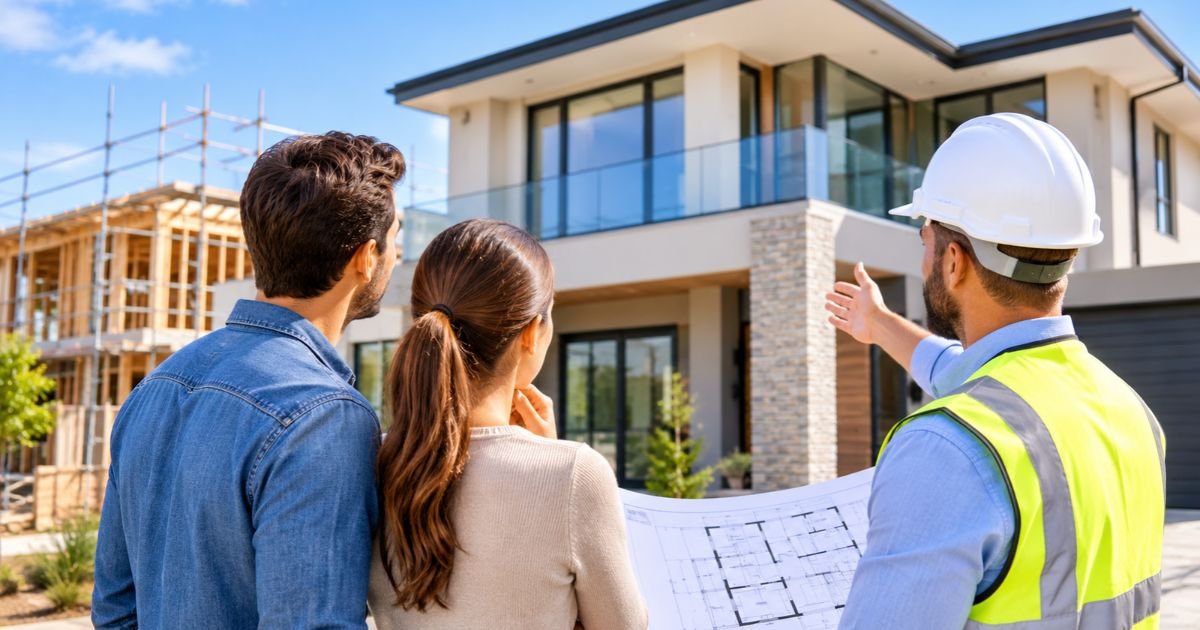
Guide to Choosing a New Home Builder in Sydney
Choosing a builder for a new home in Sydney can get complicated when quotes, timelines, and inclusions are hard to compare. This guide explains how to choose a builder, what to consider when choosing a home builder, what to ask before signing, and how to pick a home builder based on their experience with new builds, home renovation in Sydney, and house renovations in Sydney so you can make a more informed choice for your project.
The Role of a Home Builder in Custom Home Design
A residential builder helps turn your ideas for a custom home into a design that can be planned and built. A New Home Builder can help you share how you want to use each room, what features matter most, and any priorities for layout or materials. The builder can use that direction to work through design choices with you and clarify how they affect the project’s scope.

During custom home building, a New Home Builder also helps connect design decisions to practical considerations such as construction methods, material availability, and the project budget. Discussing these factors early can help you make informed trade-offs before plans are finalized. A close working relationship between you, your designer, and your custom home contractor keeps the design process focused on the home you want to build. Understanding custom home builder vs general contractor can also help you decide who is best suited to manage your project, whether you are planning building a house, house building, or building a custom home.
The Reputation-Assessment Method Beyond Testimonials
Testimonials can show how a reputation management provider describes its work, but they are only one part of a sound evaluation. They also demonstrate the benefits of having a good reputation and the importance of reputation in building customer trust. When comparing the best online reputation management companies, look for a clear process from your New Home Builder: how the team monitors feedback, responds to reviews, supports accurate business listings, and reports progress. Ask what work is performed by the provider and what requires your team’s involvement; request supporting documentation for any specific performance claims.

For businesses, the benefits of a good reputation include stronger customer confidence and better relationships. For a business considering a google review manager or google review software, assess practical fit as well as features. Check how the tool gathers and organizes feedback, who can access it, and whether its workflows suit your response policies. For a New Home Builder, online reputation management for business also means clarifying how the provider handles sensitive or disputed reviews and what actions it will not take. A reputable reputation management agency should explain its methods and limits without promising outcomes it cannot control. These are important benefits of good reputation in business.
Treat a mylife reputation score or any single platform rating as one signal, not a complete measure of reputation. Compare it with review patterns across relevant platforms, the accuracy of public business information, and the quality of the provider’s reporting. A well-planned reputation strategy should include measurable goals and regular monitoring. Tracking reputation management metrics helps businesses, including a New Home Builder, understand progress and identify areas for improvement. A practical reputation management guide can also explain the basic principles behind reputation management theory and how to do reputation management effectively. This broader assessment helps distinguish a persuasive testimonial from a service whose approach you can evaluate and oversee.
Design Options and Customisation
Customization means making a sweatshirt design your own by selecting details such as colors, graphics, text, or placement. In the U.S., “customization” is the usual spelling; “customisation” is a variant commonly used in British English. The term kustomisasi adalah an Indonesian phrase meaning customization. A clear customization definition helps you decide which design choices matter before you work with a New Home Builder.

Start with the look you want, then consider how each element will appear on the sweatshirt. You might choose a simple text treatment, a graphic, or a combination, while keeping the design easy to read and balanced. Different customizations allow you to personalize the design according to your preferences. Sharing your preferences with a New Home Builder can help turn your ideas into a finished home that reflects your intended style.
Building Control Procedures and Compliance Essentials
A building control compliance program should turn applicable requirements into clear, repeatable procedures. Identify which codes, permits, inspections, and approval steps apply to the project, then assign responsibility for each task. Because requirements can vary by location and project type, confirm them with the relevant authority having jurisdiction and qualified project professionals.
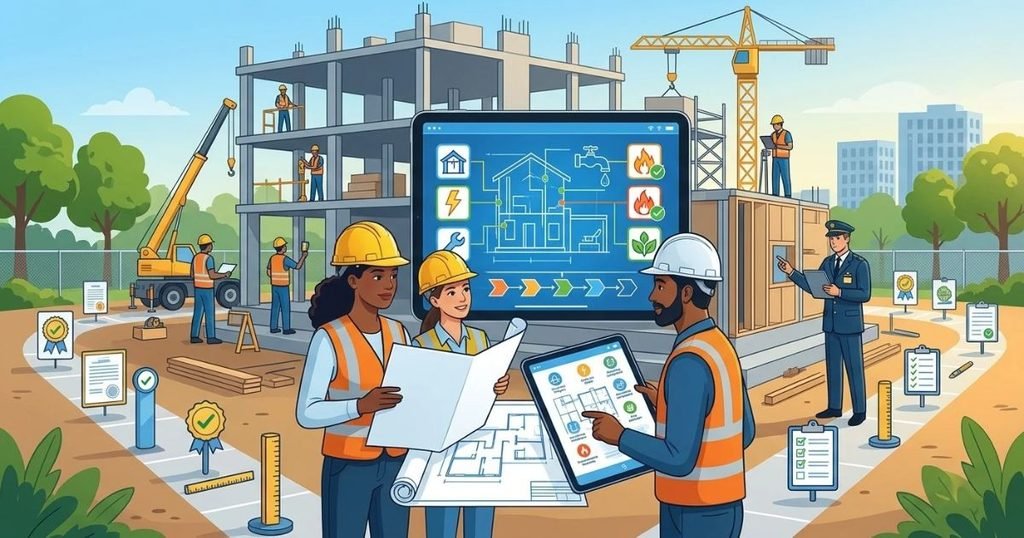
Keep records of decisions, submittals, inspections, approvals, and any corrective actions in a consistent, accessible format. Review the records as work progresses, address gaps promptly, and update procedures when requirements or project conditions change. This documentation helps teams track compliance with the program and clarify what remains before the next project milestone.
Energy Efficiency and Sustainability
Energy efficiency is about getting the same service or output while using less energy. At home, that can mean choosing efficient appliances, sealing air leaks, or adjusting heating and cooling settings. For businesses, it may involve improving equipment, lighting, or building controls. The right steps depend on how and where energy is used.

Efficient energy use can help reduce energy demand, while sustainable energy sources can further shape how that demand is met. Considering both efficiency and energy sources gives households and organizations a practical way to approach sustainability. A useful starting point is to identify where energy is used most and which improvements fit the space, budget, and needs.
Transparent Pricing and Contract Clarity
Transparent pricing means more than displaying a single number. A useful estimate should explain what the price includes, what may be billed separately, and whether it reflects the patient’s insurance coverage or an out-of-pocket rate. In healthcare, those details can help patients compare options without mistaking an estimate for a guaranteed final bill.
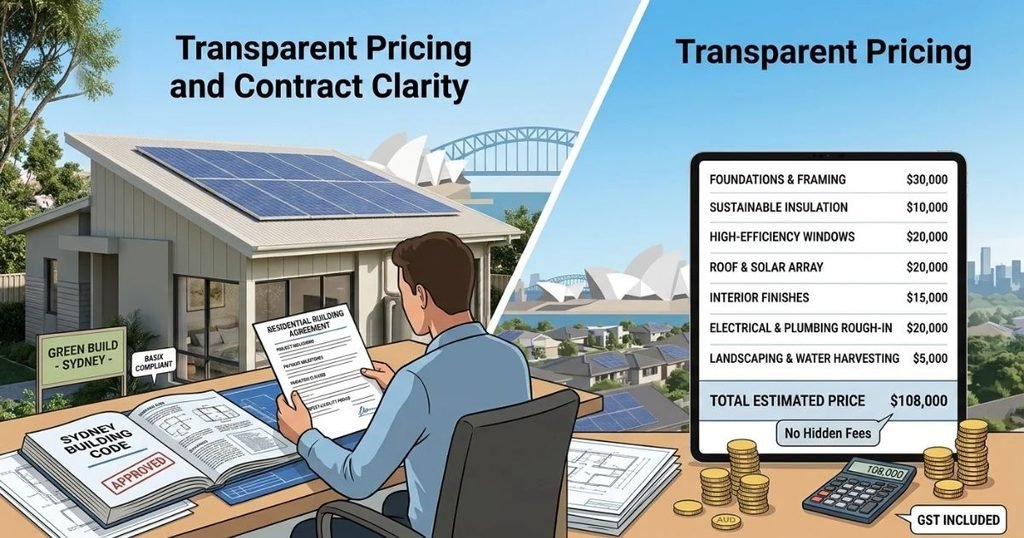
Contracts should make the same information easy to find. Spell out payment terms, included services, potential additional charges, and how changes are handled before care begins. When price transparency and contract clarity work together, patients have a clearer basis for questions and decisions and providers can set expectations before services are delivered.
Customer Service and Communication
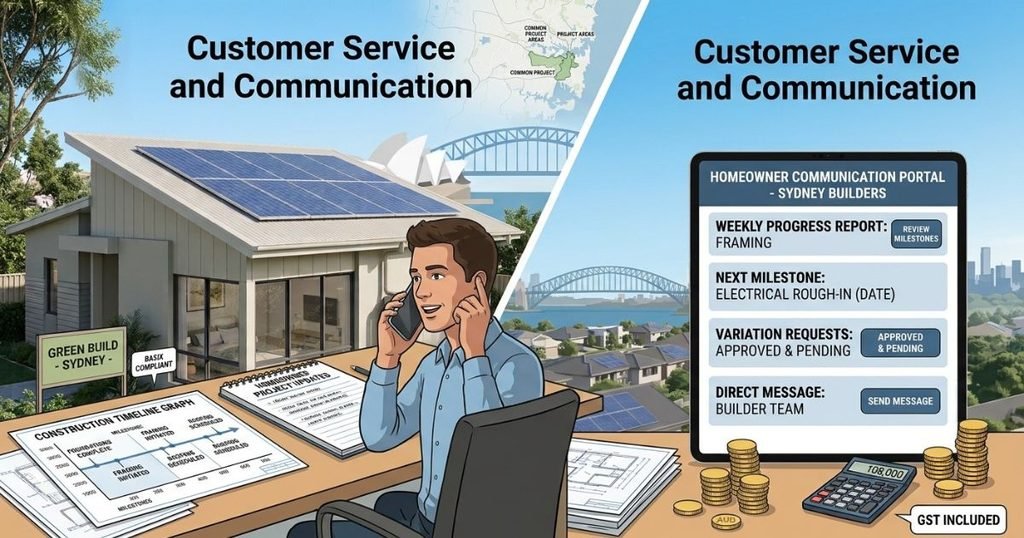
Strong customer service begins with careful listening. When a customer explains a problem, give them time to finish, ask focused questions, and restate the issue to confirm you understand. This simple habit helps keep the conversation centered on the customer’s needs rather than on assumptions.

Useful customer service skills also include clear, respectful communication. Explain next steps in plain language, share what you can do, and be honest if you need more information before offering an answer. Examples of good customer service include acknowledging a customer’s frustration, keeping them informed, and following through on a promised update. These customer service skills apply across channels, whether you’re speaking in person, by phone, or in writing.
Good communication is part of caring for a customer, not just resolving a single request. Consistent, considerate exchanges help customers know what to expect and make it easier to address concerns as they arise.
Customer Service and Communication
Warranty and after-sales support help customers address issues that arise after a purchase. A warranty explains which defects or repairs are covered, how long coverage lasts, and what steps customers need to take to request service. Clear terms and an easy-to-find contact option make it simpler for customers to understand their next steps.
Common after sale services examples include troubleshooting, repair coordination, replacement parts, product setup guidance, and help with returns or exchanges. For example, a customer who contacts a company about a product that is not working as expected might receive troubleshooting instructions or guidance on making a warranty claim. These after sales services examples show how support can resolve practical questions and help customers use what they bought.
builders and construction difference
A builder is a person or company that manages or carries out a building project; construction is the work of creating, altering, or repairing a structure. In the construction of a house, a builder may coordinate trades, schedules, permits, and purchasing, while construction refers to the hands-on work and overall process. The exact responsibilities vary by project and contract.
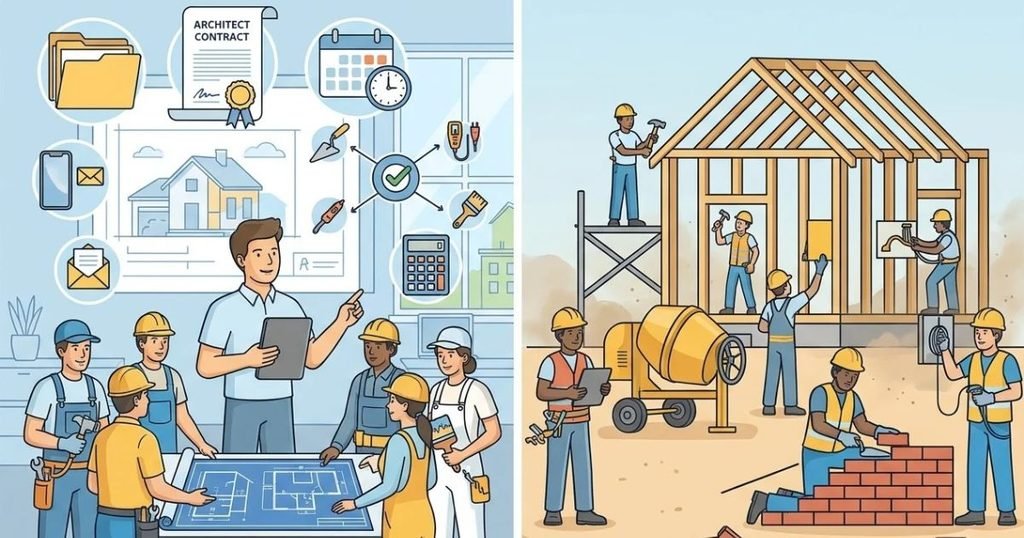
Building construction types describe how a structure is designed and assembled for example, its framing system and primary materials. Construction material means a product used in that work, such as lumber, concrete, or insulation. Building materials and building supplies are related terms, though “supplies” can also include tools, fasteners, and other items needed on site.
Construction and materials are closely connected: the selected construction type affects which materials and building material supply needs a project has. Construction material suppliers can help builders source products, but availability and suitability depend on the project’s plans and requirements.
The Importance of Local Knowledge
Local knowledge helps learners connect new ideas to the places, people, and experiences they already know. A lesson about water, for example, can invite students to consider a nearby river, local weather patterns, or how their community uses water. These connections make learning more relevant and give students a familiar starting point for asking questions.

The importance of knowledge in education goes beyond remembering facts. When students build background knowledge about their community, they can better interpret new information, compare perspectives, and take part in informed discussions. Teachers can draw on local history, geography, culture, and community expertise while making room for varied experiences and viewpoints.
Understanding why knowledge is important also means recognizing that learning moves in both directions: students bring valuable knowledge into the classroom, and instruction can help them examine and extend it. By connecting local knowledge with broader subject matter, educators can make learning more meaningful while helping students see how classroom ideas apply beyond school.
Innovations in Home Building
Innovation in construction is changing how homes are planned and assembled, with new technology in residential construction supporting more coordinated work from design through installation. Digital plans can help builders and trade professionals review layouts, spot potential conflicts, and make decisions before work reaches the jobsite.
For homeowners, innovation can also mean practical features that make a house easier to use and maintain. Innovative products for the home may include connected lighting, thermostats, and leak sensors, while flexible layouts and durable, easy-care finishes can help a home adapt to changing needs. The right choices depend on the household, budget, and how each product fits with the home’s systems.
As these approaches become part of innovative home building, it helps to look beyond novelty: consider installation requirements, compatibility, maintenance, and the value a feature adds to daily life. Those questions can guide the next decision from selecting materials to evaluating emerging technologies in housing.
Steps in the Home Building Process
The home building process typically moves from planning and design to permits, site preparation, construction, and final inspections. Start your building a house checklist by confirming your budget, choosing a lot, and working with design and construction professionals to develop plans. Before work begins, make sure required permits and approvals are in place; requirements vary by location.
During construction, the work generally progresses through the foundation, framing, exterior and roofing, rough-ins for systems such as plumbing and electrical, insulation, and interior finishes. The order and timing can vary with the design, site, weather, and local requirements, so use a house construction checklist with your builder to track decisions, inspections, and milestones. Once construction is complete and required approvals are secured, you can prepare for the final walkthrough and move-in.
Conclusion
Choosing a home builder in Sydney is about more than comparing prices. Look closely at each builder’s experience, credentials, communication style, contract terms, and completed projects to find a partner whose approach fits your plans. Before making a commitment, shortlist a few builders, ask detailed questions, and review their proposals and references side by side.
FAQs
What should I compare when choosing a home builder in Sydney?
The brief doesn’t specify comparison criteria. It identifies the topic as choosing a new home builder in Sydney. Homeowners can also consider the builder’s experience, previous projects, construction quality, estimated costs, and customer reviews before making a decision.
What credentials should I check?
The brief doesn’t provide information about licenses, insurance, or other credentials to check. Homeowners should review these details independently and confirm that the builder meets the necessary requirements before starting a new home construction project.
How can I assess a builder’s experience?
The brief doesn’t describe how to evaluate a builder’s experience or past projects. Homeowners can gather this information by reviewing completed homes, checking customer feedback, and looking at examples of previous work to better understand the builder’s background and construction quality.
What should I ask about the project budget?
The brief doesn’t include budgeting guidance, cost ranges, or details about what a quote should cover. Homeowners should request a clear cost breakdown and review the included services, payment terms, and possible extra expenses before making a final decision.
How can I compare construction timelines?
The brief doesn’t provide timeline guidance or typical project durations. Homeowners can request an estimated completion schedule and ask about important construction stages, potential delays, and factors that may affect the overall project timeline.
What should I look for in a building contract?
The brief doesn’t discuss contract terms or what to review before signing. Homeowners should carefully read the agreement, check all included services, costs, payment conditions, and project responsibilities to understand their obligations before starting the building process.
How should I evaluate a builder’s communication?
The brief doesn’t provide criteria for assessing communication or project updates. Homeowners can ask how often they will receive updates, who will be their main contact, and how questions or concerns will be handled throughout the building process.
Does this guide recommend specific Sydney builders?
The brief doesn’t name or recommend any builders. It focuses on general guidance for choosing a new home builder in Sydney, allowing homeowners to explore their options and make informed decisions based on their individual needs and preferences.