
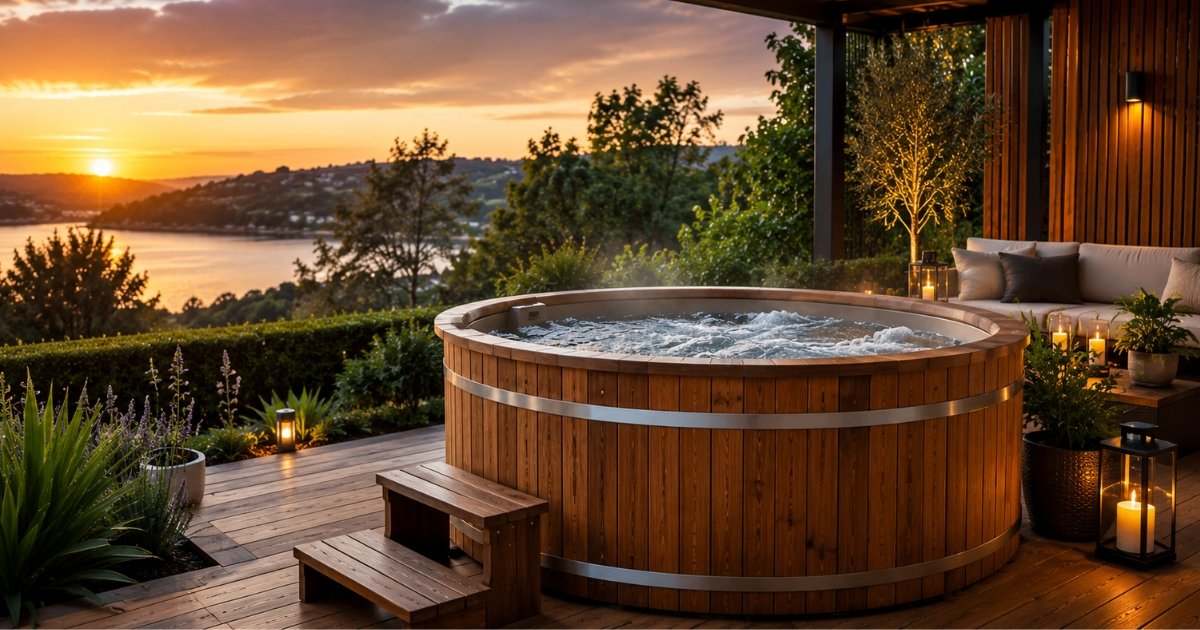
A well-crafted wooden hot tubs can reliably last up to fifteen years with proper care. Their roots that span the globe, materials like cedar and redwood not only evoke a sense of luxury but also offer unique health benefits. As architect Michael Howells of Howells Architecture Design emphasizes, considerations every buyer should keep in mind before making an investment in a wooden hot tub.
In this article hometrovehub will guide you through the vital aspects of investing in a wooden hot tub, key features like heating options and longevity, ensuring that your investment can endure five winters without significant repair costs.
Why Timber Is the Preferred Choice for Garden Hot Tubs
Timber has emerged as the preferred material for garden hot tubs, particularly for buyers prioritizing natural materials and aesthetic authenticity. These woods are known for their resistance to rot and insects. Unlike acrylic and polymer hot tubs, which often prioritize functionality over visual appeal, wooden hot tubs draw inspiration from Nordic, Japanese, and Russian cultures that celebrate nature in their designs. The warm hues and organic textures of timber create a soothing atmosphere, seamlessly blending with garden landscapes. The revival of wooden hot tubs in the UK is rooted in a desire for more immersive outdoor experiences.
Best Timber Options for Garden Hot Tubs
Cedar, larch, and thermo-treated wood are the standout choices for garden hot tubs in the UK, each offering unique advantages. Cedar, renowned for its natural oils, not only repels water but also inhibits microbial growth. This means less reliance on chemical treatments an option that aligns with the growing trend of sustainable outdoor living. The aromatic qualities of cedar also enhance the sensory experience.
Conversely, larch is a dense hardwood prized for its durability and moisture resistance. Its tight grain structure helps it withstand the unpredictable weather conditions of the UK, ensuring longevity and stability in outdoor environments. Meanwhile, thermo-treated wood is engineered through a precise heating process that modifies the timber’s cellular structure. This method significantly reduces moisture absorption and enhances resistance to decay, making it an excellent choice for those seeking innovation in their outdoor spaces.
Traditional Construction and Self-Sealing Design
What sets timber hot tubs apart is their construction method often utilizing traditional stave construction along with sturdy steel hoops. This design not only allows for a mesmerizing, curvilinear form but also facilitates the natural expansion of wood when filled with water. As the timber swells, it creates a self-sealing quality that enhances durability and minimizes leaks, eliminating the need for additives or synthetic liners.
How to Maximize the Lifespan of a Wooden Hot Tub
- Choose Quality Timber and Construction
Buyers who research the relationship between timber quality and construction methods gain a significant advantage. A tub crafted from the correct species of wood, possesses inherent durability that cheaper materials simply can’t match. On the other hand lower-priced tub built with mediocre joinery and finishes is likely to require premature repairs or replacements.
- Maintain Proper Water Chemistry
Proper water chemistry management plays a important role, maintaining balanced levels of chlorine, bromine, and alkalinity cannot be understated. An appropriately balanced pH not only keeps the water clean and safe for bathing but also protects your tub’s surface from mineral deposits and corrosion of metal fittings.
- Follow a Regular Maintenance Routine
Regular inspections and periodic emptying of the interior surfaces can prevent the buildup of bacteria and enhance the longevity of the materials used. Many wooden hot tubs that face issues are those that have been left without basic maintenance for extended periods. A simple commitment to routine care, such as covering hot tub when it’s not in use, can make a remarkable difference. Prioritizing these maintenance tasks, you create a more resilient structure.
- Expected Lifespan of Different Wooden Hot Tubs
Longevity range across the market is wide. Budget tubs, often constructed from lower-grade softwood, can begin to show signs of aging and deterioration within just a few years, making them a less-than-ideal investment for those seeking long-term enjoyment. In conversely, premium options like a well-crafted larch tub, known for its natural resistance to moisture and decay, can thrive for twenty years or more with the right care and maintenance. This stark distinction emphasizes the importance of materials and craftsmanship in determining longevity.
- Evaluate Materials Before Buying
Every specific product comes with its unique attributes that influence durability. Factors such as wood type, treatment processes, and construction techniques play significant roles in how long a tub can last. Before making a purchase, it’s essential for prospective buyers to investigate these characteristics thoroughly. This approach ultimately save money and time, allowing you to enjoy your investment for years to come.
Heating Options and Their Implications
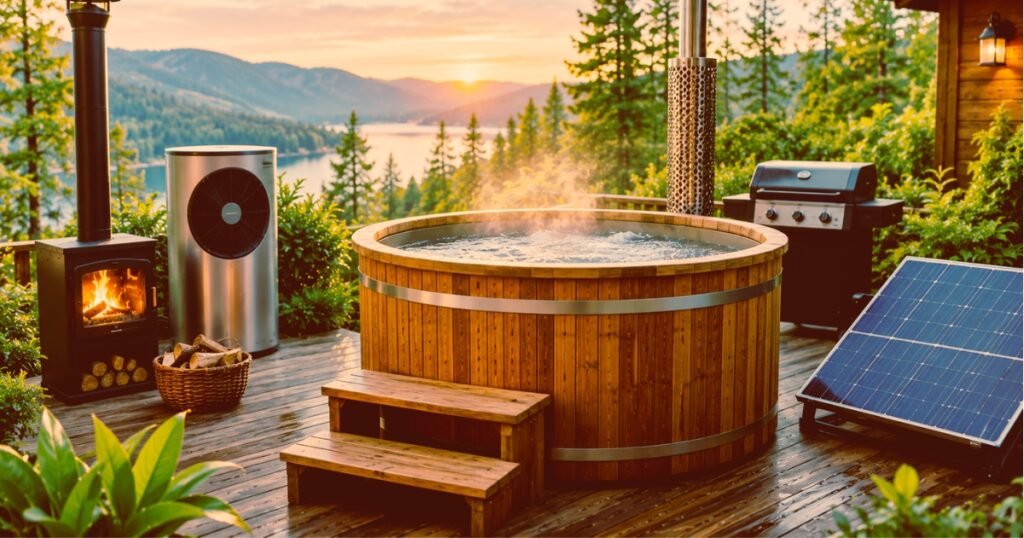
The choice between wood-fired and electric heating systems for wooden hot tubs goes beyond convenience. Wood-fired stoves bring a rustic charm. The crackling fire and the fragrant scent of burning wood engage the senses in a way that electric systems simply cannot replicate. This tactile interaction with nature can enhance relaxation.
In contrast, electric heating systems offer undeniable practicality, especially for those with limited outdoor space or complex garden designs. They provide consistency and an effortless heating experience, allowing users to enjoy temperature-controlled soaks without the need for ongoing maintenance or wood storage. This convenience comes with ongoing energy costs and may lack the unique ambiance that wood-fired systems cultivate. Ultimately, the decision lies in balancing the romantic allure of a wood-fired stove with the practicality of electric options based on individual lifestyle and preferences.
As sustainability becomes increasingly important, those opting for electric heating should also explore potential energy-saving technologies, such as smart thermostats or solar-powered options, which can enhance efficiency while lowering both costs and environmental impact.
Installing a Wooden Hot Tub
Installing a wooden hot tub is a straightforward process compared to constructing an inground pool or a permanent spa. Since most wooden hot tubs are designed as freestanding units, they simply need a solid, level foundation that can safely carry the total weight of the tub, the water it holds, and everyone using it. Suitable installation surfaces include concrete slabs, paved patios, reinforced decking, or other stable bases that meet the manufacturer’s load requirements.
In most cases, a freestanding wooden hot tub can be installed without planning permission on residential properties. If the installation is planned within a conservation area or includes permanent structural additions such as fixed enclosures or built-in surrounds, it’s important to check local planning and building regulations before beginning the project.
Do wooden hot tubs add value to your home
A wooden hot tub can make your outdoor space more inviting while adding character to your backyard. Beyond creating a comfortable place to relax, it provides an attractive feature for entertaining family and friends. When thoughtfully placed and properly maintained, a wooden hot tub enhances the overall appearance of the garden and helps create an outdoor area that feels both functional and welcoming.
While a hot tub alone is unlikely to determine a property’s value, it can make a positive impression on buyers who appreciate outdoor living and wellness features. A well-kept wooden hot tub, combined with an attractive landscape, can increase the overall appeal of your home and help it stand out in the market. More importantly, it offers lasting enjoyment for homeowners by creating a peaceful space to unwind throughout the year.
Final Thought
Investing in a hot tub can significantly enhance your home wellness experience. Before making your purchase, consider key factors such as budget, available space, and maintenance requirements to ensure a suitable choice.
A well-considered investment will pay dividends in terms of relaxation and health benefits. Start exploring the possibilities today, and take the first step towards enriching your home wellness journey.
FAQS
How does climate affect the lifespan of a wooden hot tub in the UK?
Damp climates can accelerate deterioration if the tub is not properly maintained. Additionally, exposure to extreme temperatures can also impact its structural integrity.
What are the initial costs involved in purchasing a wooden hot tub?
The initial costs can range from $3,000 to $10,000, depending on size, design, and additional features.
How much does it cost to heat a wooden hot tub?
Heating costs can vary, but you can expect to pay around $15 to $30 per heating session, depending on energy rates and water temperature.
What criteria must a hot tub meet to avoid planning permission?
Hot tubs should generally be less than 2.5 meters high and not placed in front of the main building line.
Does a wooden hot tub require planning permission?
In most cases, a freestanding wooden hot tub can be installed on residential property without planning permission. If the installation includes permanent structures, built-in enclosures, or is located within a conservation area, you should check with your local planning authority before starting the project.
Can a wooden hot tub be used throughout the year?
Yes. A wooden hot tub can be enjoyed in every season with proper maintenance. Wood-fired models perform especially well during colder months because they heat the water effectively, making winter soaking a popular experience for many homeowners.
Which wood is best for a durable wooden hot tub?
Western red cedar is a popular choice because it naturally resists moisture, decay, and insects. Thermally modified timber is another excellent option, offering long-lasting durability and improved stability through a specialised heat-treatment process.