
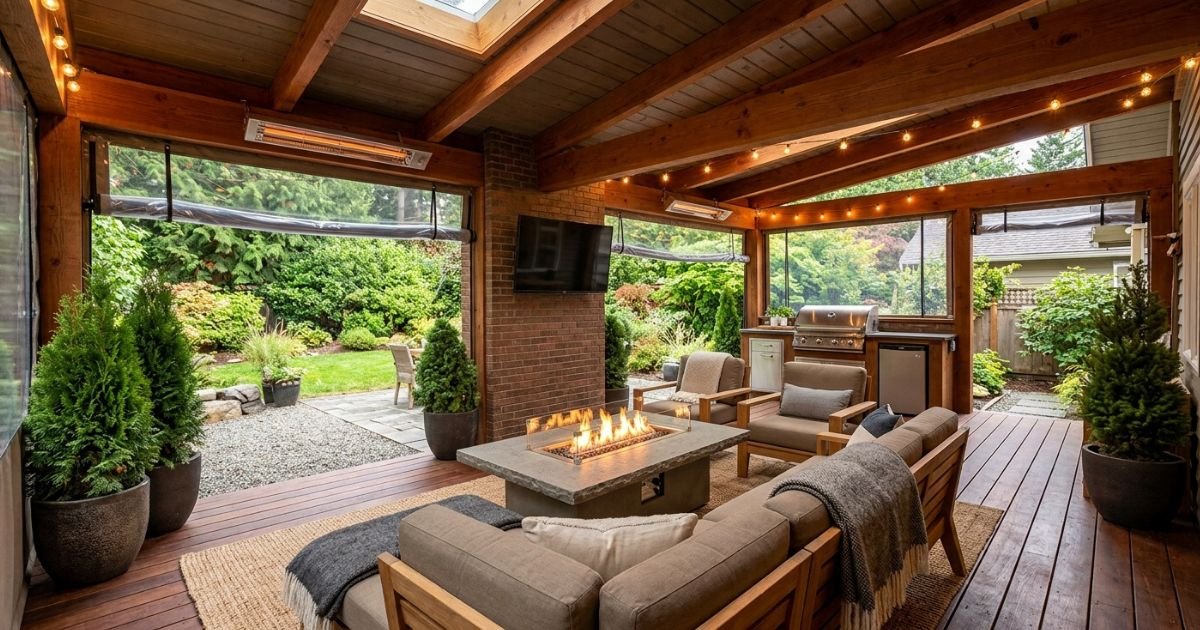
Rain softly tapping on a roof overhead a covered deck makes this dream a reality. As outdoor living spaces become increasingly popular, understanding how to create a functional and inviting covered deck is essential for maximizing your home’s potential. We’ll share diverse design ideas and practical tips that will inspire you to set up a year-round outdoor haven. Prepare to discover how you can elevate your lifestyle and make the most of your yard, regardless of the climate.
Choosing the Right Roof Design
Choosing the right roof design for a covered deck requires a harmonious blend of form and function. One often overlooked aspect is the local climate; for example, homes in snowy regions benefit from steeply pitched roofs to prevent heavy snow accumulation, while homes in warmer climates may opt for flatter designs that maximize air circulation and reduce heat absorption. Integrating sustainable materials like green roofs or solar shingles can not only enhance aesthetic appeal but also contribute to energy efficiency and sustainability qualities increasingly valued by homeowners today.
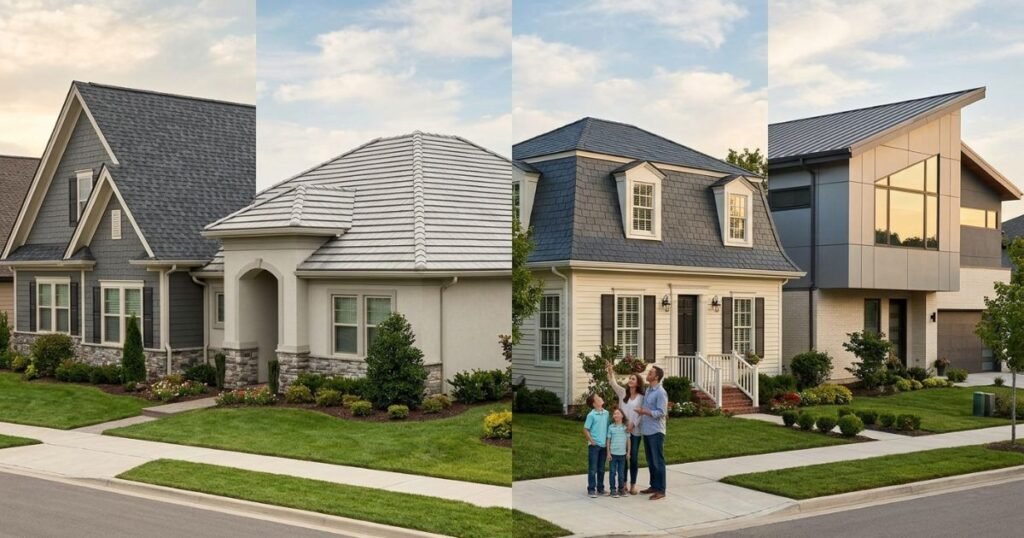
A sleek, modern home can be elevated with a minimalist flat roof, while traditional styles such as Craftsman or Colonial often shine with gabled or hipped designs that emphasize symmetry and character. Don’t forget the importance of roof color and texture; darker shades may absorb heat and complement rustic settings, while lighter tones reflect sunlight. A covered deck can complement these roof styles while adding functionality and comfort to your outdoor living space.
Weather-Resistant Materials
Weather-resistant materials are the unsung heroes of architecture and design, bridging the gap between durability and aesthetics. Take, for example, fiber-reinforced polymers. Unlike traditional materials, these composites can withstand extreme temperatures and moisture without warping or degrading, making them ideal for innovative outdoor structures like a covered deck that push the envelope in design.
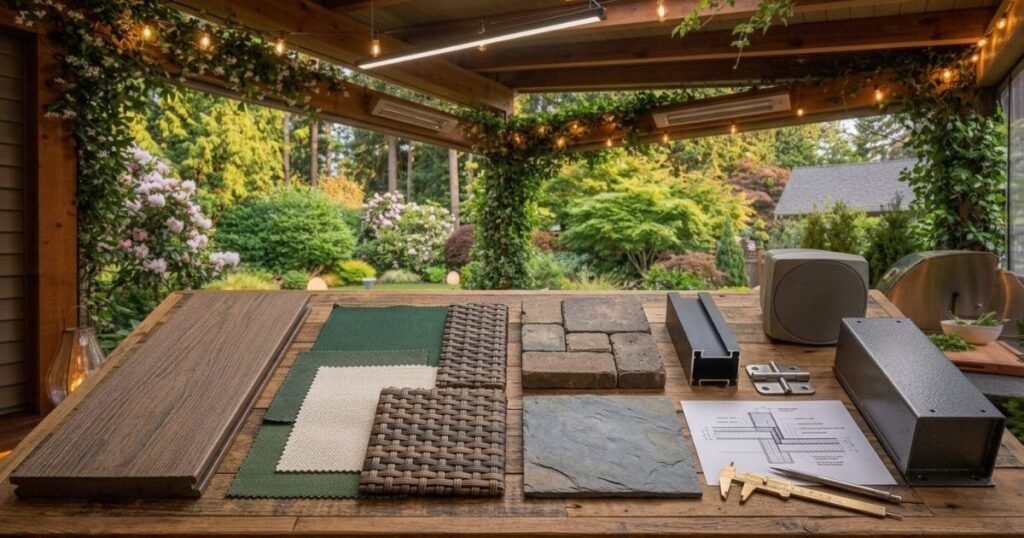
Emerging technologies are also reshaping the landscape of weather resistance. Nanotechnology is being harnessed to create superhydrophobic surfaces that repel water and dirt, drastically reducing maintenance efforts while preserving the visual appeal of buildings and furnishings. Similarly, new UV-resistant coatings extend the lifespan of materials exposed to sunlight, minimizing fading and deterioration. This evolution not only enhances sustainability by prolonging the life of products but also makes materials more suitable for outdoor spaces like a covered deck.
Comfort and Functionality
Comfort and functionality are often thought of as opposing forces in design, yet they can harmoniously coexist to create transformative experiences. This synergy is particularly evident in modern workspaces, where ergonomic furniture seamlessly blends aesthetic appeal with practical utility. Such designs foster productivity, allowing individuals to navigate the demands of the day without sacrificing personal well-being.
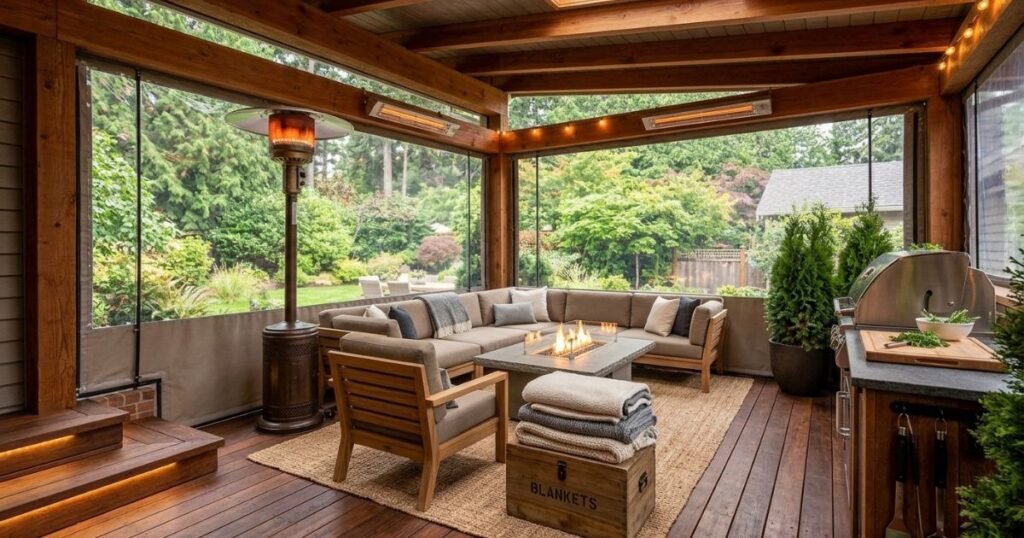
The relationship between comfort and functionality extends beyond traditional furnishings. Think about the carefully designed public spaces that encourage relaxation while serving communal purposes. A park bench isn’t simply a place to sit; when constructed with thoughtful curvature and textures, it beckons you to linger, fostering social connections and enhancing community engagement. The same concept applies to a covered deck, where thoughtful design can create a comfortable and inviting outdoor space.
Integrating Landscaping and Greenery
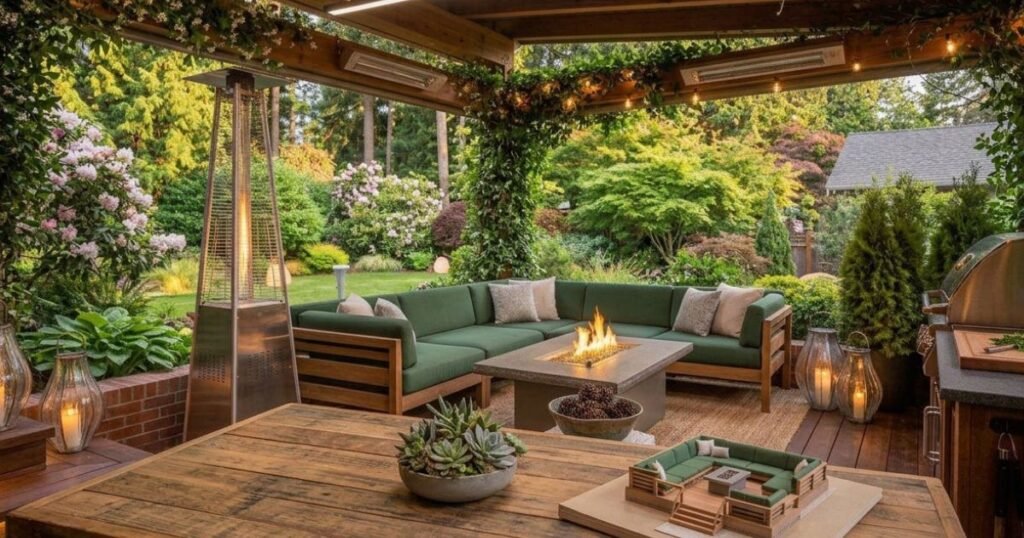
Integrating greenery goes beyond mere decoration; it fosters community engagement and mental well-being. Parks and green corridors serve as communal hubs where people gather, fostering social cohesion and a sense of belonging. The artistry of planting trees and shrubs is not just about filling space; it’s about designing a sanctuary where nature and humanity coexist harmoniously. By promoting interactivity through garden workshops or nature trails communities can cultivate a deep-rooted appreciation for the environment, inspiring individuals to take ownership of their local landscapes.
Lighting and Ambiance
Lighting is more than just a functional necessity; it’s an art form that shapes our experience of space. The interplay of shadows, highlights, and the warmth of a bulb can transform a mundane room into a sensory oasis. For instance, layering different light sources ambient, task, and accent creates a dynamic environment that can adapt to the time of day or the mood of the moment. Imagine a cozy evening where soft, warm lights envelop you, casting gentle glows that invite relaxation, versus the invigorating brightness of daylight that typically fosters creativity and productivity.
It allows for a seamless transition from an active family gathering to a quiet dinner for two with just a flick of a finger. Pair this with the right color temperatures, and you can evoke an array of emotions from the cool calm of a tranquil study to the vibrant warmth of a lively gathering area. Smart lighting systems even allow for tailored experiences, changing hues and intensities at the press of a button, adapting to your mood or activity.
Planning and Professional Support
It’s about creating a dynamic blueprint that can adapt as circumstances change. Consider implementing a framework that prioritizes flexibility, allowing you to pivot when new opportunities or challenges arise. By integrating checkpoints into your plan, you can regularly assess progress and reevaluate priorities.
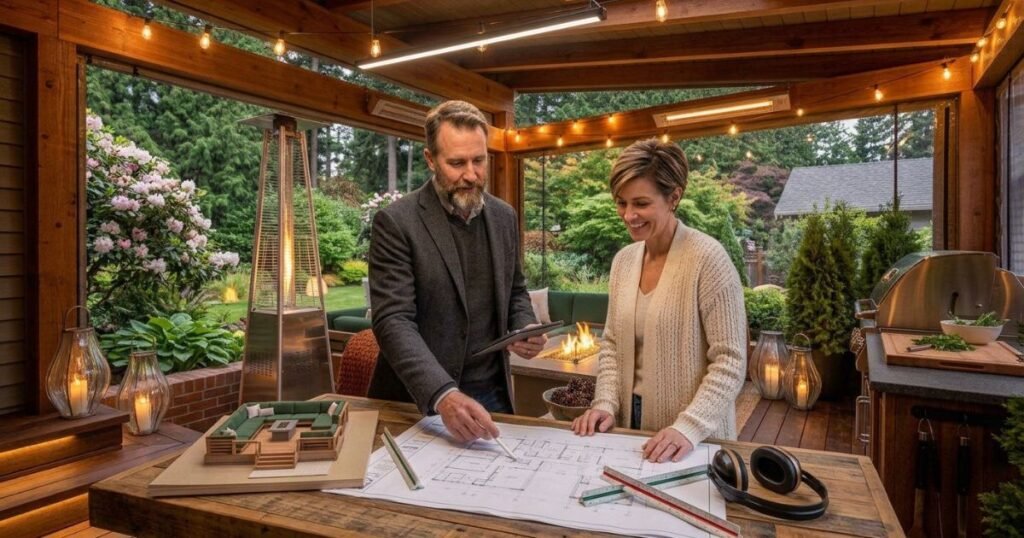
Professional support amplifies this process, providing a sounding board for your ideas and strategies. The right mentor or consultant can offer valuable insights that streamline your planning process, helping you navigate complexities and avoid common pitfalls. Collaborating with specialists gives you access to broader networks and resources, offering innovative solutions for your covered deck.
FAQs
1. What are the benefits of a covered deck?
Covered decks provide shelter from the sun and rain, allowing for comfortable outdoor living year-round. They offer versatility for activities, enhance home value, and can provide protection for outdoor furniture.
2. What materials are best for covering a deck?
Common materials for coverage include wood, aluminum, and vinyl. Each offers unique benefits wood for aesthetics, aluminum for durability, and vinyl for maintenance-free options.
3. Can I design a covered deck that matches my home’s style?
Absolutely! Covered decks can be customized to complement your home’s architectural style, using matching materials, colors, and design elements to create a cohesive look.
4. How do I maintain a covered deck?
Maintenance involves regular cleaning, sealing or staining wood, checking for water damage, and inspecting the roofing structure for any wear or leaks to ensure longevity.
5. Are there any zoning regulations for building a covered deck?
Yes, zoning laws vary by location. It’s essential to check with local building codes and obtain necessary permits before construction to ensure compliance.
6. What are some creative ideas for decorating a covered deck?
Consider adding outdoor rugs, comfortable seating, potted plants, lighting fixtures, and even a fire pit or outdoor kitchen to enhance the aesthetic and functionality of your covered deck.
7. Can I install a ceiling fan or heaters in my covered deck?
Yes, installing ceiling fans or outdoor heaters can improve comfort and usability in different seasons, making your covered deck enjoyable year-round.
8. What are some popular trends in covered deck design?
Trends include mixed materials, integrated lighting, open-concept designs, and the use of sustainable materials. Creating distinct zones for dining, lounging, and entertaining is also increasingly popular.
Conclusions
In conclusion, a covered deck can truly transform your outdoor living space into a year-round haven. Whether you prefer a cozy, intimate setting with soft lighting or an open space filled with comfortable furnishings. Incorporating features such as outdoor heating, fans, and weather-resistant furniture can enhance your enjoyment through all seasons. To maximize your deck’s potential, consider adding various amenities like ambient lighting, built-in seating, or even an outdoor kitchen. These features not only enhance comfort but also promote year-round use, making your deck the go-to spot for family and friends. Start today by exploring inspiration and planning your perfect covered deck oasis.