Yard Privacy Fencing Options: Styles, Materials and Costs
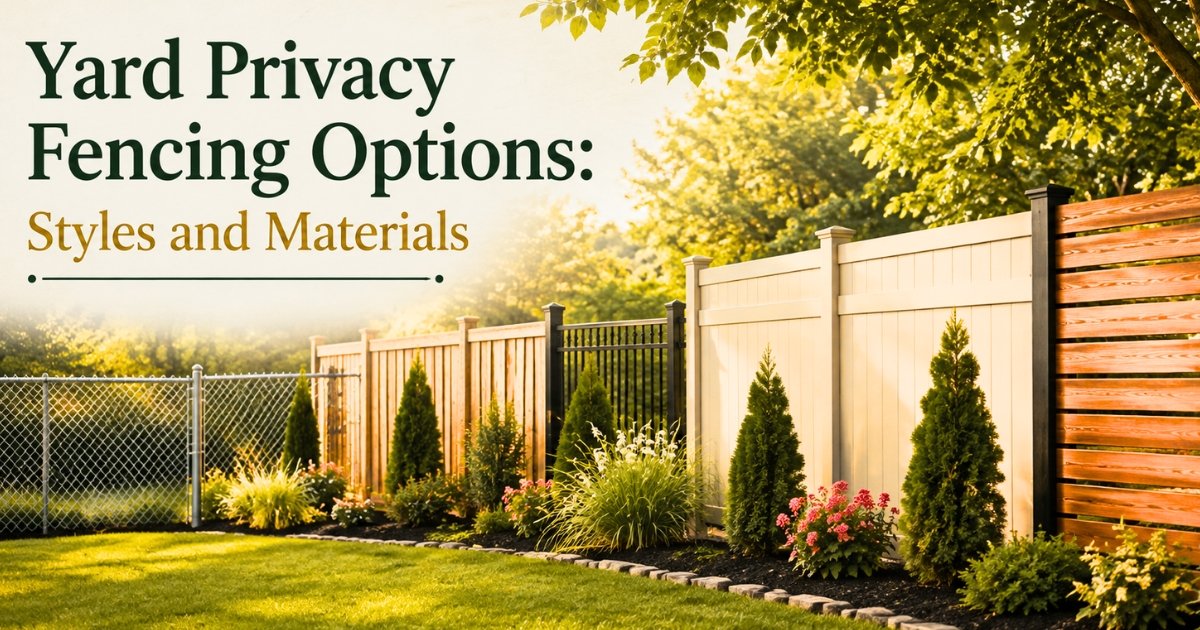
When exploring yard privacy fencing options, it’s essential to consider the blend of functionality and aesthetics that best serves your home. Wooden privacy fences offer classic charm while providing seclusion, whereas metal fences can enhance security with a sophisticated look.
Unique yard fencing ideas, such as living fences made with climbing plants, can create a visually appealing natural barrier that complements your landscape. Vinyl fencing requires minimal maintenance and withstands harsh weather, making it a durable choice.
Start With Purpose Before Looking At Materials
If your primary aim is to create a safe area for children or pets, you’ll want to prioritize features that enhance security and visibility. This may lead you to choose a design that is taller or more opaque, reducing the chances of your loved ones wandering off or unwanted animals entering your space.
Chain-link fencing is another practical option that provides good visibility, requires manageable upkeep, and offers a cost-effective way to improve safety around your property.
Explore Yard Privacy Fencing Options and Their Uses
Wood Privacy Fence
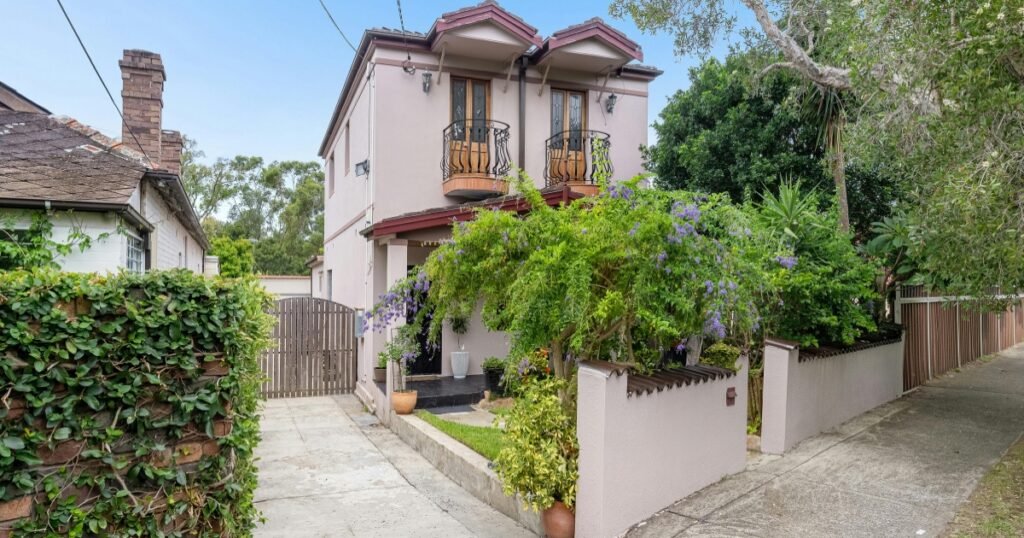
Different fence materials offer different benefits, so the right choice depends on your privacy, security, maintenance, and design needs. Wood fences bring a natural look to outdoor spaces and work well with many home styles. They can also be customized in height, color, and finish, making them a practical option for adding privacy while maintaining a traditional appearance.
| Pros | Cons |
|---|---|
| Natural look that suits many homes. | Needs regular care to stay in good condition. |
| Easy to customize with different stains and colors. | Can fade or weather over time. |
| Provides a warm and traditional appearance. | May need repairs if exposed to moisture. |
Vinyl Fences
Vinyl fences are gaining popularity due to their durability and low maintenance requirements. Available in multiple styles and colors, they resist fading and warping, making them a long-term investment for your yard.
| Pros | Cons |
|---|---|
| Vinyl fences resist weather damage and do not rot. | Initial installation is often more expensive than wood. |
| They require minimal upkeep, saving time and effort. | Damage can be difficult to repair and may require replacement. |
| Available in numerous colors and designs to suit different preferences. | They can warp or crack in extreme temperatures. |
Chain-Link Fences
For homeowners seeking practical yard fencing ideas that define their boundaries without sacrificing visibility, chain-link is a simple choice. A taller fence of around 6 feet can add security while still keeping an open feel. Chain-link fences serve this purpose effectively by creating a clear boundary without making the yard feel enclosed.
Priced between $15 and $30 per linear foot, chain-link options offer a budget-friendly alternative for those focused on safety and property boundaries. These fences are a practical choice for homeowners who value affordability and visibility.
| Pros | Cons |
|---|---|
| Chain-link fences are affordable, making them a popular choice for budget-conscious projects. | The open design does not provide much privacy, which may be undesirable for some homeowners. |
| Galvanized or coated chain-link resists rust and can last for many years. | Many people find chain-link fences less visually appealing than other fencing options. |
| Chain-link fences can be installed relatively quickly, saving time and labor costs. | They can be easier to climb over than solid fences, potentially compromising security. |
Metal Panel Fences
Metal panel fences have a sleek, streamlined look that combines modern style with functional security. When considering a horizontal fence design, the visual impact can be striking, offering a contemporary alternative to traditional vertical panels. Another attractive option is incorporating brick columns between the metal panels. This combination adds texture and contrast to your outdoor space.
| Pros | Cons |
|---|---|
| Strong and long-lasting. | Higher upfront cost. |
| Needs little maintenance. | Can get hot or cold depending on the weather. |
| Provides good security. | Installation can require more work. |
| Gives a modern look. | May rust without proper coating. |
| Available in different styles. | Can be noisy during storms. |
How Tall Should a Privacy Fence Be?
A standard privacy fence height is often six feet, which can block sightlines into a yard while still fitting many residential settings. The right height depends on where the fence will stand and how much privacy you need from nearby homes, streets, or outdoor spaces.
Before choosing a design, check local zoning rules and any homeowners association requirements. Rules may set different limits for front and back yards, and permits may be required for taller fences. So, how high can a privacy fence be? The answer varies by location, so confirm the requirements before buying materials or starting installation.
If you are comparing options and wondering how tall fences generally are, consider both the permitted height and the views you want to screen. A six foot fence may work for many yards, while a lower fence can suit areas where visibility matters.
Match Fence Design With Your Property Layout
Choosing the right yard privacy fencing material, texture, and size can make a major difference in how your property looks and feels. The fence should complement your home rather than appear disconnected from the existing design. For example, a natural wood fence can pair beautifully with wooden features, stonework, or a rustic landscape, creating a cohesive outdoor setting.
The color and finish should also work well with the tones already present around your property. Scale is equally important when planning your fence. A tall and solid fence can provide privacy and security on a large property, but it may make a smaller yard feel closed off.
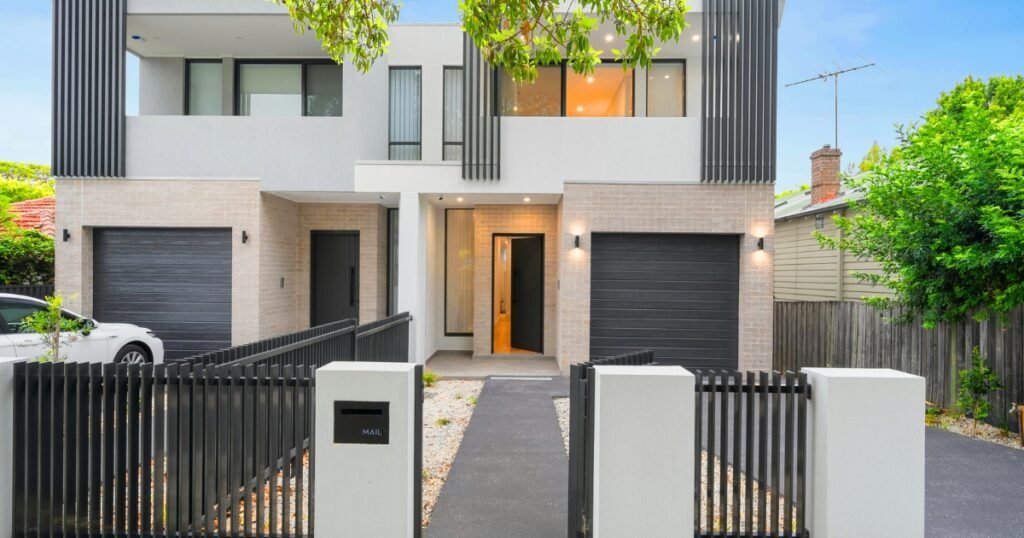
In compact spaces, a lower or more open design can maintain a sense of space while still defining the property line. By balancing fence height, material, and texture, you can create a design that feels intentional, attractive, and practical.
A wood fence, while charming and classic, requires periodic care to protect it from the elements. This means planning for sealing, staining, or repainting to maintain its appearance and structural integrity over the years.
On the other hand, materials like vinyl or composite offer a low-maintenance alternative because they are designed to withstand outdoor conditions with minimal upkeep. Chain-link fencing is also durable, but occasional inspections are recommended to ensure stability and proper alignment.
Creative Fence Design Ideas for Your Yard
Creative fence ideas can make a yard feel more considered while still providing privacy and defining its edges. Horizontal wood planks create a clean, contemporary look, while vertical planks offer a more classic rhythm. Varying plank widths or leaving consistent narrow gaps can add visual interest without making the design feel busy.
For a lighter sense of enclosure, use lattice privacy fencing to screen a patio or garden while allowing some light and air through. Chevron fence patterns bring movement to a simple wood fence; align the angled boards carefully for a crisp, balanced effect. These unique fencing ideas can also be adapted to a smaller feature section if you want a focal point without repeating the pattern across the whole yard.
Mixing wood and metal is another way to create contrast. Pair warm wood boards with dark metal posts or a metal frame for a defined, modern finish. Repeat the materials in nearby gates or outdoor features to help the fence feel connected to the rest of the yard.
Balance Privacy, Security and Openness
Choosing the right fence often requires balancing privacy, security, and openness. For those prioritizing privacy, solid panel fencing can block outside views and create a quiet, private outdoor space. If you prefer an airy feel, consider fences with spaced panels or lighter designs. These options promote airflow and increase visibility without entirely sacrificing a sense of enclosure.
Use Natural Privacy Screens for Your Yard
Use trees, shrubs, and ornamental grasses to create a natural privacy screen that fits your yard. A row of evergreen shrubs can provide year round coverage, while taller trees add height and grasses soften the edges. For neighbors privacy screen ideas, choose plants suited to your climate and available sunlight, and leave enough room for them to reach their mature size.
Layering plants at different heights can make garden screening ideas feel integrated with the landscape rather than like a solid barrier. Place taller plants where you need the most coverage, then add lower shrubs or grasses in front. These garden privacy ideas can also shape a quiet seating area or screen a patio, giving you practical privacy ideas for backyard spaces without blocking every view.
Read More: Modern Garden Fencing Ideas
Common Mistakes to Avoid When Choosing Yard Fencing
One of the most common mistakes when choosing yard privacy fencing is picking a design based only on appearance. Aesthetics are important, but a fence should also provide practical benefits such as security and privacy.
Consider how the design will work with your home’s architecture and landscape. Ignoring your yard’s layout and available space can also lead to costly mistakes. Take measurements and consider how much room you need before selecting a fence style.
Plan for Long-Term Value Instead of Short-Term Results
A good fencing choice should continue to work well long after installation. Instead of focusing only on how the fence looks today, think about how it will handle changing weather, regular use, and the natural aging process. Durable materials may cost more initially, but they can offer better value over time.
It is also worth considering how your property and lifestyle may change in the future. Your fencing should remain useful if your privacy, security, or outdoor space needs change over time. Looking at both present and future requirements can help you choose a fence that stays practical, durable, and suitable for your property.
How Much Does a Privacy Fence Cost
The average price for a privacy fence depends mainly on the material. Typical costs per linear foot are $15 to $30 for chain link, $20 to $50 for wood, $25 to $60 for vinyl, $30 to $60 for composite, and $30 to $80 for metal panel. These ranges give you a quick way to compare the cost of a privacy fence, and your private fence cost will also shift with height and location.
For a 150 foot fence, plan on roughly $3,000 to $7,500 for wood or $3,750 to $9,000 for vinyl, before gates and site preparation. Include these extras in your estimate, and ask local contractors for written quotes before setting your budget.
Conclusion
Selecting the right yard privacy fencing requires a combination of purpose, planning, and practical thinking. Consider your property’s layout, privacy and security needs, maintenance requirements, and the conditions your fence will face over time.
By comparing different materials and styles with these factors in mind, you can choose a fence that fits your home, supports your lifestyle, and continues to add value to your outdoor space.