
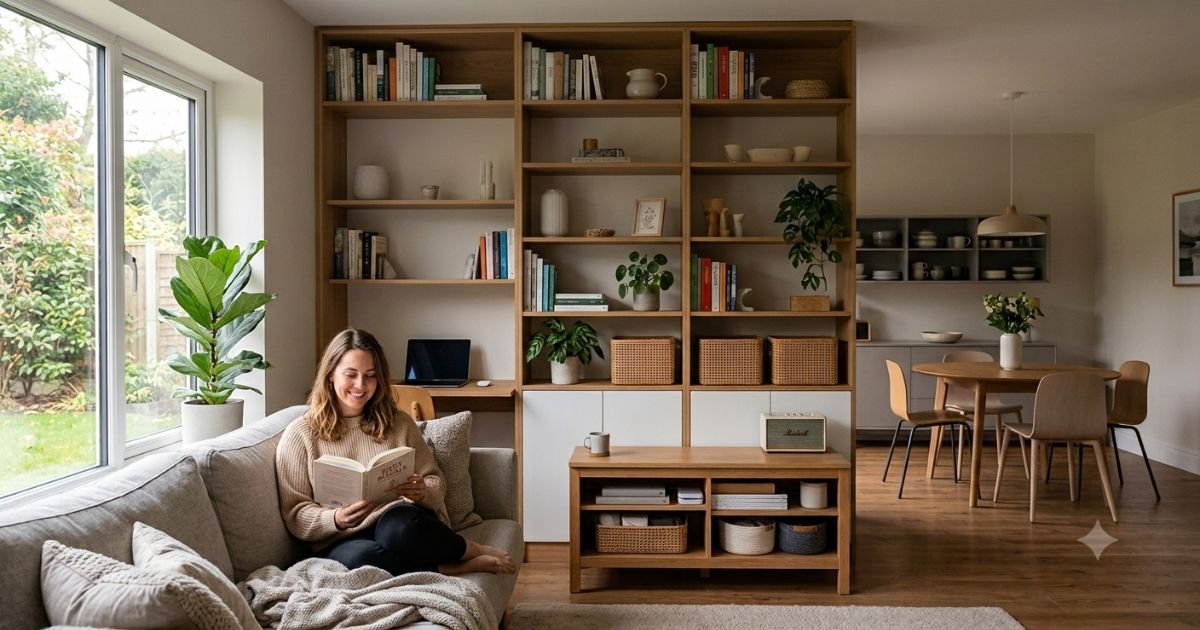
Have you ever noticed how a cluttered or poorly planned space can make everyday life feel more difficult? The right functional home design ideas can make rooms easier to use, improve organization, and create a more comfortable atmosphere without compromising on style.
What Does Functional Home Design Really Mean?
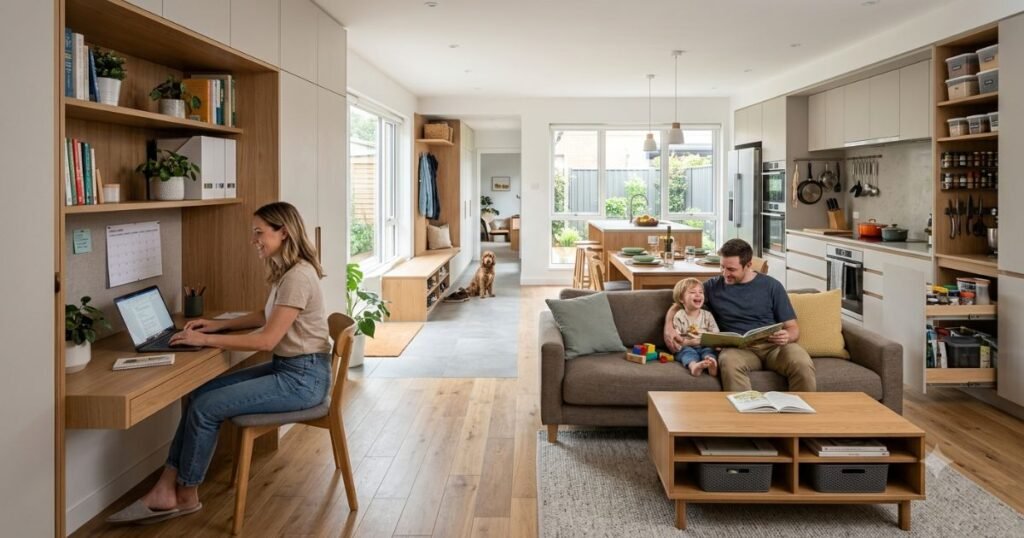
Furniture plays an important role in making a home more functional. A sofa bed can provide extra sleeping space when needed, while an ottoman with hidden storage can help keep blankets, books, or other everyday items out of sight. These practical choices allow you to make better use of your available space.
Smart storage is also the key part of functional design. Built-in shelves, baskets, cabinets, and hidden compartments can keep belongings organized while maintaining a clean appearance. When everything has a sensible place, it becomes easier to keep your home tidy and enjoyable.
Ultimately, functional design is about finding the right balance between comfort, organization, practicality, and style.
Why Functional Design Makes Everyday Living Easier
A well-designed home can make daily routines feel much simpler. Functional home design helps you use each room more effectively by giving spaces a clear purpose and making important items easy to access.
Good organization also makes a noticeable difference. Practical storage, built-in cabinets, wall shelves, and furniture with hidden compartments can help keep clutter under control without taking up unnecessary floor space.
Functional design can also improve how a home feels. Clear walkways, comfortable furniture placement, and well-planned storage create a more open and peaceful atmosphere.
Key Principles of a Functional and Organized Home
A functional and organized home starts with a few simple design principles. Start by giving each room a clear purpose. When you know how a space will be used, it becomes easier to choose the right furniture, layout, and storage.
Storage should also be planned around your everyday needs. Choosing pieces that serve more than one purpose can be especially useful when space is limited.
Your needs may change over time, so furniture and layouts should be easy to adjust when necessary. When comfort, organization, and style work together, your home becomes easier to manage and more enjoyable to live in.
Give Every Room a Clear Purpose
Before choosing furniture or decorating a room, think about how you actually plan to use it. Giving each space a clear purpose makes it easier to decide what belongs there and how everything should be arranged. In a bedroom, the main goal is rest, so keeping the area around the bed open and adding useful bedside storage can make the room feel more comfortable.
Kitchens often need to support several activities at once, including cooking, eating, and socializing. Keep cooking essentials close to the preparation area, while dishes and dining items can be stored near the eating space.
When every room has a clear role, you can make better choices about furniture, storage, and layout. The result is a home that feels organized without feeling overly planned or restrictive.
Choose Furniture That Serves More Than One Purpose
Multifunctional furniture is especially useful in functional home design when you want to make the most of the space you have.
A sofa bed is a simple example. It works as everyday seating and provides a convenient sleeping area when guests stay over.
For dining areas, an extendable table can work well for everyday meals and expand when you have guests. Beds with built-in drawers, coffee tables with storage compartments, and benches with hidden storage can also help you use available space more efficiently.
Hidden compartments can keep everyday clutter out of sight while maintaining a clean and organized look. These practical storage features help create a home that feels comfortable, tidy, and easy to use.
Keep Frequently Used Items Within Easy Reach
Keeping frequently used items within easy reach can make everyday routines much easier. Instead of digging through crowded cabinets or drawers, you can quickly find what you need and put it back when you are finished.
Balance Practicality With Personal Style
A practical home does not have to sacrifice personality. Functional home design allows you to choose furniture and decor that make everyday life easier while still creating a space that feels like your own.
Textures can also make a functional space feel more inviting. Soft fabrics, comfortable throws, and simple decorative touches can add warmth without creating clutter.
It is also worth considering maintenance. Easy-to-clean fabrics and durable finishes can help your home stay looking good with less effort. When practicality and personal style work together, you can create a home that is comfortable, organized, and truly yours.
Functional Home Design Ideas for Every Room
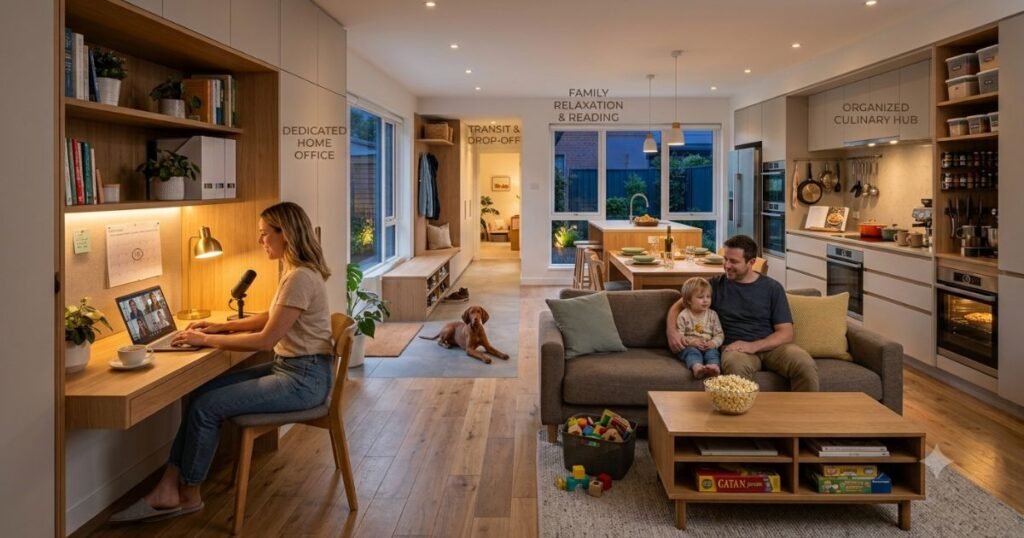
Every room in your home has different needs, so functional design should be tailored to how each space is actually used.
The best functional home design ideas are not about making every room look the same. They are about understanding what each space needs and making thoughtful choices that improve comfort, organization, and everyday use.
Living Room
A functional living room starts with furniture that makes the space comfortable and easy to use. Arrange sofas and chairs so people can talk without having to twist around furniture. L-shaped seating can work well for both everyday use and entertaining, especially when the layout leaves the main pathways open.
You can use rugs and furniture placement to create separate areas within a larger living room. Good lighting also helps the room work for different activities.
With the right balance of seating, storage, lighting, and open space, your living room can feel both stylish and practical without becoming overcrowded.
Kitchen
A functional kitchen design should make cooking, cleaning, and everyday tasks easier. . A traditional work triangle can be helpful, but the best arrangement depends on the size and layout of your kitchen. Storage should also be planned around the way you use the space. Keep everyday utensils, cookware, and ingredients close to the areas where you need them. .
Lighting is another important part of a practical kitchen. General lighting can brighten the entire room, while task lighting under cabinets or above work areas can provide better visibility when preparing food. When the layout, storage, workspace, and lighting all support your daily routine, the kitchen becomes easier and more enjoyable to use.
Bathroom
A functional bathroom design should make everyday routines easier while keeping the space neat and comfortable. Good storage is one of the simplest ways to achieve this. Built-in shelves, vanity cabinets, and wall-mounted storage can make use of vertical space without taking up too much floor area. Pull-out drawers and baskets can also keep smaller toiletries organized and easy to find.
Lighting should support the different tasks you perform in the bathroom.
Home Office
A functional home office design starts with choosing a workspace that suits the way you work. If possible, place your desk near a window so you can benefit from natural light during the day.
A comfortable chair is just as important as the desk. Choose one that provides good support and allows you to adjust your sitting position.
Storage helps keep the workspace under control. Use drawers, shelves, or small organizers for stationery, documents, and other supplies.
Functional Home Design for the Entryway
A functional entryway can make your daily routine easier by giving everyday items a proper place. If space allows, add a bench with storage for shoes, bags, or seasonal accessories.
A mirror is another useful addition. It gives you a quick check before leaving and can make a small entryway feel more open. Good lighting is also important, especially if the entrance gets little natural light.
Keep the space simple and avoid filling it with unnecessary furniture or decor. Leave enough room to move comfortably and organize only the items you use regularly. A clean, well-planned entryway can make coming home and heading out much easier.
Design Your Home Around Your Real Lifestyle
Our home should support the way you actually live. Think about your daily routines and choose layouts, furniture, and storage that make those routines easier.
For example, an open kitchen can work well for families who spend time together, while a quiet corner can provide a useful space for reading or working. Choose storage based on the items you use regularly, and leave some flexibility so rooms can adapt as your needs change.
When your home is designed around your lifestyle, it becomes more comfortable, practical, and easier to enjoy.
Organize According to Your Daily Habits
Organizing your home around your daily habits can make routines much easier. Keep frequently used items close to where you need them, such as coffee supplies near the coffee maker or cooking tools near the preparation area.
Create simple storage zones for different activities. Drawer dividers, baskets, trays, and labeled containers can also help keep smaller items organized and easy to find.
Pay attention to where clutter regularly builds up. If something is often left out, it may simply be stored too far from where you use it. Moving it to a more convenient spot can solve the problem without major changes.
Design Around the Things You Already Own
You do not always need to buy new furniture to improve the way your home works. Designing around the things you already own can make the space more practical while also saving money. Start by measuring larger furniture pieces, including sofas, beds, tables, and cabinets. Knowing their exact sizes makes it easier to plan a layout with comfortable walking paths.
Once you understand the available space, look at the colors, materials, and styles you already have. These can help guide any new choices you make. For example, if your sofa has warm tones, you can bring those colors into the room through cushions, curtains, artwork, or a rug instead of replacing the sofa.
Think about how existing furniture can serve more than one purpose as well. An unused cabinet might become storage for office supplies, while a console table could provide a useful drop-off point for keys and other everyday items. Small changes in placement can sometimes make a bigger difference than buying something new.
Storage should also be planned around your actual belongings. If books, kitchen equipment, or other items are regularly left out, consider adding shelves, baskets, drawers, or other storage where they are most needed. This creates a system that fits your real life instead of forcing your belongings into spaces that do not suit them.
Turn Everyday Essentials Into Part of the Decor
Everyday items do not always have to be hidden away to keep your home looking organized. With the right storage and arrangement, useful belongings can become part of the decor while still being easy to access.
Decorative baskets and storage boxes are a simple example. They can hold blankets, books, craft supplies, or other everyday items while adding texture and style to a room. Choose materials and colors that work with your existing decor so the storage feels like a natural part of the space.
Open shelving can also turn useful belongings into attractive displays. In the kitchen, ceramic bowls, serving dishes, wooden boards, or a small collection of cookbooks can be arranged neatly on shelves. In a home office, attractive organizers can keep stationery and supplies within reach without making the desk look messy.
The key is to be selective about what you leave visible. Display items that you use regularly and that fit the overall look of the room. Grouping similar items together and leaving some open space between them can prevent the area from feeling crowded.
Smart Ways to Make Small Spaces More Functional
When space is limited, using the walls can make a big difference. Tall shelves, wall-mounted cabinets, hooks, and racks provide extra storage without taking up much floor space. They can also draw attention upward, making the room feel more open. In a home office, for example, wall organizers can keep paperwork and supplies off the desk, while kitchen shelves can provide an easy place for frequently used items.
Multifunctional furniture is another useful solution for small homes. Choose pieces that can serve more than one purpose, such as a sofa bed, storage ottoman, or coffee table with compartments. An extendable dining table can work for everyday meals and expand when guests visit, while modular seating can be rearranged when you need more open space.
The way furniture is positioned also affects how large a room feels. Keep the main walkways clear and avoid placing too many large pieces in one area. When possible, leave some open space between furniture to create a better sense of movement.
Common Functional Home Design Mistakes to Avoid
One of the most common mistakes in home design is using too much furniture in a single space. An overcrowded room can make movement difficult and leave little room for the activities you actually want to enjoy. Instead of filling every empty corner, choose furniture based on the size of the room and leave enough space for comfortable movement.
Poor storage can create similar problems. When cabinets, closets, and shelves do not provide enough space for everyday belongings, items quickly end up on countertops, floors, or other visible surfaces. Think about what you regularly use and create storage solutions that keep those items close without adding unnecessary clutter.
Blocked pathways are another issue that can affect how easily you move around your home. Avoid placing large furniture near doorways or in frequently used walkways. Keeping these areas open makes rooms easier to navigate and can also make smaller spaces feel less crowded.
Lighting should not be overlooked either. A room that depends on a single overhead fixture may have dark corners or poorly lit work areas. Combine natural light with suitable ceiling lights, lamps, or task lighting to make different parts of the room easier to use.
Creating a Home That Is Both Comfortable and Practical
A comfortable home should also be easy to live in. The best design choices combine practical features with elements that make you feel relaxed and at home. Start with furniture that suits the size of each room and provides the comfort you need without making movement difficult.
Think about how different areas are used throughout the day. A living room may need comfortable seating for relaxing and enough open space for entertaining, while a home office needs proper support and a quiet setup for focused work. Designing each area around its purpose helps prevent wasted space and makes daily activities easier.
Storage is another important part of a comfortable and practical home. Keep frequently used belongings within easy reach and use cabinets, shelves, baskets, or built-in storage to keep less-used items organized. When everything has a place, rooms are easier to maintain and feel less cluttered.
Lighting, color, and texture can add comfort without reducing functionality. Use natural light where possible and combine it with task and ambient lighting. Soft furnishings such as rugs, cushions, and curtains can make a room feel warmer while still serving a practical purpose.
Frequently Asked Questions
What is functional home design?
Functional home design focuses on making a home comfortable, organized, and easy to use. It combines practical layouts, useful storage, suitable furniture, and thoughtful design choices that support everyday routines.
How can I make my home more functional?
Start by identifying how you use each room and what causes clutter or inconvenience. Improve storage, keep frequently used items within reach, maintain clear pathways, and choose furniture that suits both the space and your daily needs.
What are the most important principles of functional design?
The main principles include purposeful room layouts, efficient storage, easy movement, good lighting, comfortable furniture, flexibility, and a balance between practicality and personal style.
Can functional design work in a small home?
Yes. Small homes can benefit greatly from functional design. Use vertical storage, multifunctional furniture, flexible layouts, and clear pathways to make the most of limited space without making the home feel crowded.
Can a functional home still look stylish?
Absolutely. Functional home design can be both practical and stylish. Choose furniture, storage, lighting, colors, and decorative pieces that reflect your taste while also serving a useful purpose.
Conclusion
A well-designed home should make everyday life easier, not more complicated. By using functional home design ideas, you can create spaces that are comfortable, organized, and suited to your daily routines. From smart storage and multifunctional furniture to clear layouts and better use of natural light, small changes can make a noticeable difference.
The key is to design around how you actually live. When comfort, practicality, and personal style work together, your home can feel both beautiful and easy to enjoy every day.