
Best Photography Styles for Interior Design
Understanding the best photography styles for interior design can be a game-changer for both real estate agents and homeowners alike. In the realm of real estate photography, mastering how to photograph rooms is essential. This article will explore various techniques for photographing interiors, from essential tips for using your iPhone to insights from famous interior photographers. By the end, you’ll have a clearer vision of how to capture stunning images that showcase your spaces effectively.
Photography Works So Well in Interior Spaces
Interior spaces are a canvas where light, texture, and layout converge, making them ideal subjects for photography. In real estate photography, understanding the nuances of a room can elevate a simple image into a captivating narrative. Utilizing an iPhone equipped with the best lens can yield striking results, especially when leveraging natural light that filters through windows to illuminate various design elements. The best photography styles for interior design can help highlight the spaciousness of a room and its cozy details, creating an inviting atmosphere for potential buyers or followers.
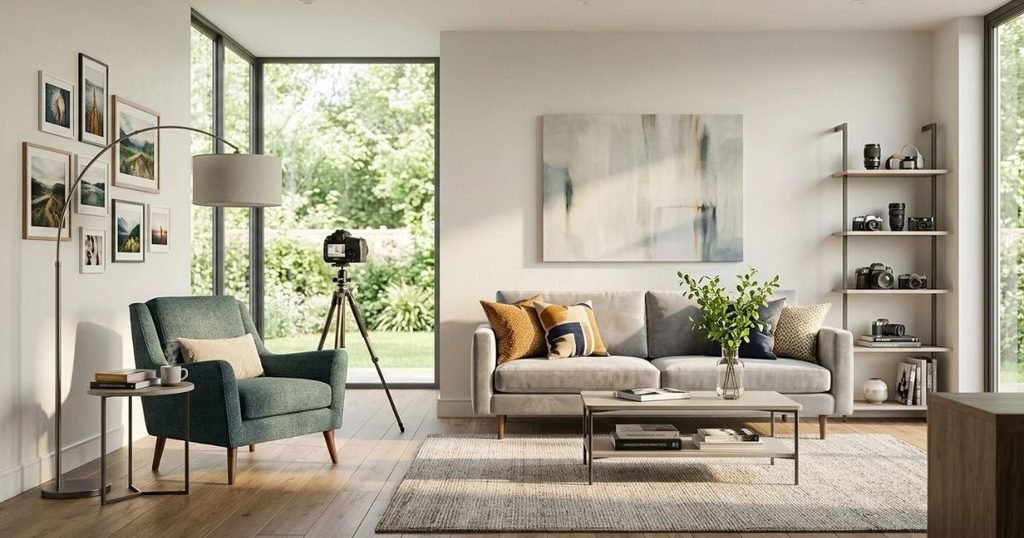
Mastering interior photography requires more than just having the best cameras for interior photography; it involves a keen eye for composition and a strategic use of angles. Techniques such as shooting from a low perspective or capturing wide-angle shots can showcase the flow and connectivity of spaces, making them more appealing. By experimenting with different focal points and incorporating elements like mirrors or artwork, photographers can draw the viewer’s gaze and evoke an emotional response, turning an ordinary shot into an extraordinary experience. Through this lens, the art of photography transcends mere representation, allowing viewers to envision themselves within the space.
interpreting a landscape photograph
Interpreting a landscape photograph invites viewers to step into a dialogue between the natural world and artistic expression. One of the first elements to consider is the composition. In visual art, including photography and painting, composition serves as the backbone of the piece, guiding the viewer’s eye to focal points while also providing a sense of balance or tension. For instance, the rule of thirds can create dynamism, allowing vast skies to evoke a feeling of openness and freedom, while imposing mountains might symbolize strength and permanence. Understanding the best photography styles can help photographers apply effective composition techniques to showcase indoor spaces beautifully.

Colors and textures in the photograph also play a crucial role in interpretation. The use of vivid contrasts or muted tones can evoke specific emotions, highlighting the photographer’s intent. A photograph dominated by warm hues can embody comfort and nostalgia, while cooler tones may impart a sense of solitude or melancholy. Examining the landscape’s elements like the interplay between light and shadow can reveal deeper narratives about change and time. By understanding how these elements work together, viewers can appreciate the layered complexities of landscape photography as a unique blend of artistry and nature.
Black and White Photography Offers Timeless
Black and white photography, often viewed through the lens of nostalgia, transcends mere aesthetics to capture the essence of subjects in a striking manner. The absence of color compels both the viewer and the photographer to focus on the interplay of light and shadow, enhancing the meaning behind each frame. The timeless quality of black and white portraits allows them to speak volumes, often inviting interpretations that color photography may overshadow. The best photography interior design use light, shadow, and contrast to create visually appealing interior images.
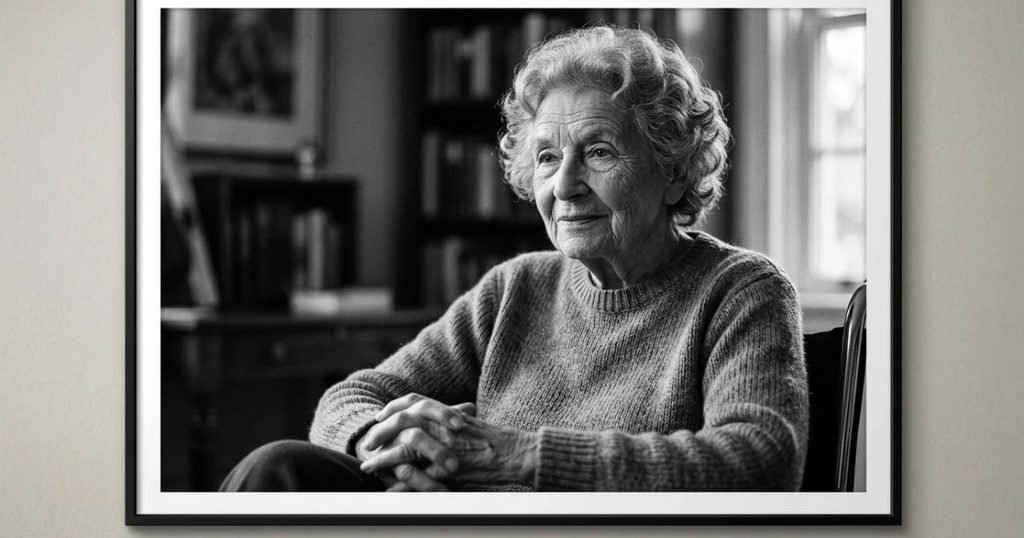
Award-winning black and white photographs often evoke a range of sentiments, conveyed vividly through simple shades. Quotes about black and white reveal how this medium can define moments with clarity, offering a glimpse into the soul of the subject. Art in black and white strips away distractions, inviting the audience to engage deeply with the form and essence of the image.
coastal photography ideas
Capturing the essence of coastal beauty through seascape photography requires an eye for detail and a willingness to experiment with different perspectives. One compelling approach is to focus on the interplay between light and water at various times of the day. Dawn and dusk offer magical lighting that can transform ordinary scenes into extraordinary photographs of seascapes, with colors reflecting in the water and enhancing textures on rocks and sand. The best photography styles natural light and creative perspectives to highlight textures, colors, and unique details within a space.
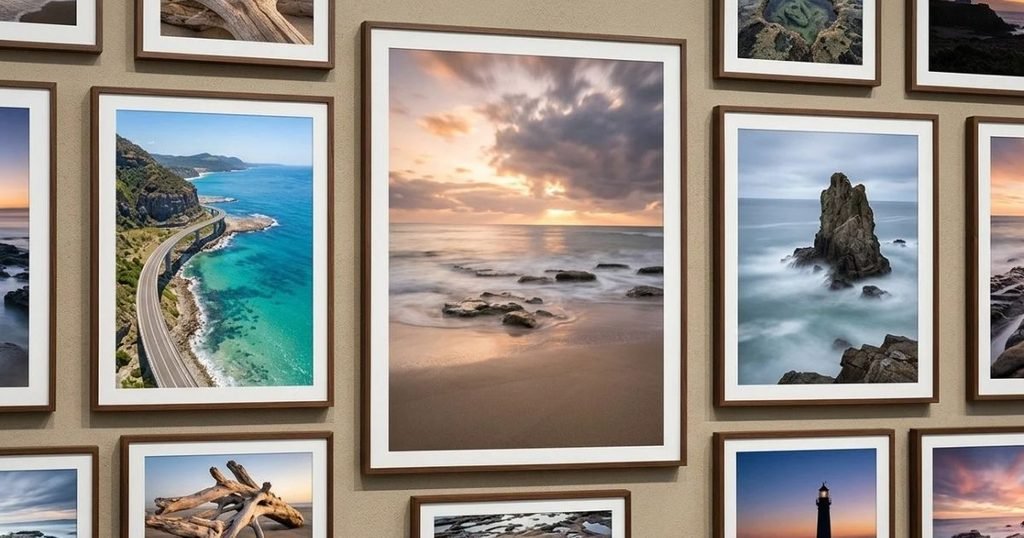
Incorporating elements such as marine life, coastal vegetation, or dramatic weather can add depth and interest to your images. Experimenting with long exposure techniques can create stunning effects, smoothing out waves and making them appear ethereal while maintaining crispness in nearby structures or flora. This technique can elevate your photography at sea, leading to unique compositions that tell a story about the environment. Using a wide-angle lens also allows for a more expansive view, capturing the majesty of the coastline while placing the viewer at the heart of the scene.
Abstract Photography Adds Creativity and Conversation
Photography transcends traditional representation, inviting viewers into a realm of imagination and emotion. By focusing on shapes, colors, and textures rather than concrete subjects, these images foster a deeper conversation about perception and interpretation. This artistic approach engages audiences in a unique way, prompting discussions that delve into the essence of what we see versus what we feel. For instance, an image capturing swirling hues might evoke feelings of chaos or tranquility, illustrating how abstract photos can influence mood and provoke thought.
Exploring abstract photos at home can be a liberating experience, allowing photographers to experiment with everyday objects. Simple items, like kitchen utensils or fabric, can be transformed into compelling abstract imagery through creative angles and lighting. Ideas for abstract photography often arise from unfamiliar perspectives: zoom in on a textured surface or play with reflections in glass. These examples of abstract photos invite us to appreciate the beauty in the mundane and encourage a mindset that values creativity in our surroundings.
Architectural Photography Celebrates Design
Architectural photography serves as a powerful medium that transforms the essence of design into visual storytelling. Through the lens of skilled photographers, the intricate details of buildings and interiors become a celebration of craftsmanship and creativity. Famous interior photographers often capture not just the physical space, but also the emotions that spaces evoke, highlighting the interplay of light, texture, and color in architectural design.

The art of photographing architecture reveals hidden narratives within our surroundings. From the sleek lines of modern skyscrapers to the warmth of rustic interiors, each photograph unveils a dialogue between form and function. This genre of photography also challenges us to rethink our relationship with the built environment; it invites us to see beyond the surface and to reflect on how space influences our lives. Architectural photography is about capturing the soul of a space, an inviting call to explore, appreciate, and connect with the artistry hidden in everyday environments.
Nature Photography Creates a Welcoming Environment
Nature photography has a remarkable ability to transform spaces into inviting sanctuaries. By showcasing the breathtaking beauty of landscapes, from sweeping mountain vistas to tranquil forests, this genre creates a visual escape that encourages relaxation and reflection. Incorporating wildlife photography into the mix magnifies this effect, allowing viewers to connect with the often-overlooked harmony of the natural world. The intricate details captured in animal photography can evoke a sense of wonder and appreciation for biodiversity, fostering an environment where the beauty of nature becomes a focal point.

Landscape photography types can define the mood of a space. A vibrant sunset or serene lakeside scene can infuse a room with warmth and tranquility, promoting mental well-being. Spaces enhanced by these natural visuals not only uplift the atmosphere but also invite conversation and exploration. As viewers engage with the imagery, they are inspired to step outside and appreciate the world around them, bridging the gap between indoors and outdoors and cultivating a deeper connection with nature.
matching photography to your style
Selecting the right outfits for family photos can dramatically enhance the overall mood and aesthetic of your portraits. For winter family photos, cozy textures and layered clothing work beautifully, creating a warm and inviting vibe. Think along the lines of soft knits, flannel patterns, and rich holiday colors like deep reds and lush greens. Selecting pieces that coordinate rather than match directly adds a modern touch to your family portraits, ensuring everyone feels comfortable while looking stylish.
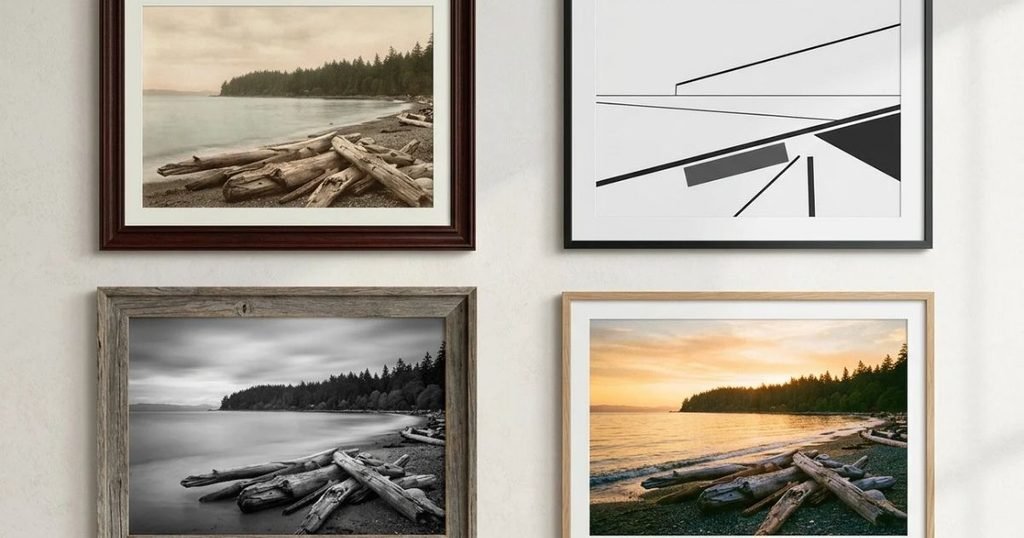
As the seasons change, so do the outfit possibilities for your family photos. For summer family photos, opt for lighter fabrics and brighter colors that reflect the warmth and vibrancy of the season. Outfits in pastel shades or floral prints can provide a playful yet sophisticated look for family pictures outside. When planning for a fall family photo shoot, consider earthy tones like burnt orange, mustard, and deep burgundy as they harmonize beautifully with autumn foliage. Coordinating family outfits for pictures can be as simple as choosing a color palette and letting each family member express their style within those hues, making the photos feel authentic and personal.
Size Matters Just as Much as
When it comes to the age-old debate of whether size matters, the conversation often extends beyond mere physical dimensions. Size can influence perceptions of confidence and self-worth, especially when societal norms often equate larger sizes with more significance or prowess. This notion can create pressure not only on men but also on women, as they often feel compelled to measure worth against an arbitrary yardstick.
In relationships, size can symbolize emotional depth or compatibility, reflecting how partners connect on various levels. For many women, whether size does matter isn’t just about physical attributes but also the accompanying qualities, such as how one communicates affection and understands their partner’s needs. Size matters, but it’s essential to recognize that true connection depends on a multitude of factors that often go far beyond mere measurements.
The Story Behind the Artwork Matters
The story behind an artwork often serves as a crucial lens through which we understand its significance. In the realm of art, which encompasses a myriad of expressions and mediums, the narrative embedded within a piece can offer insights into the socio-political context of its creation. For example, many artists have used their work as a response to historical events, revealing how the history of art reflects society’s ever-evolving moral and aesthetic standards.
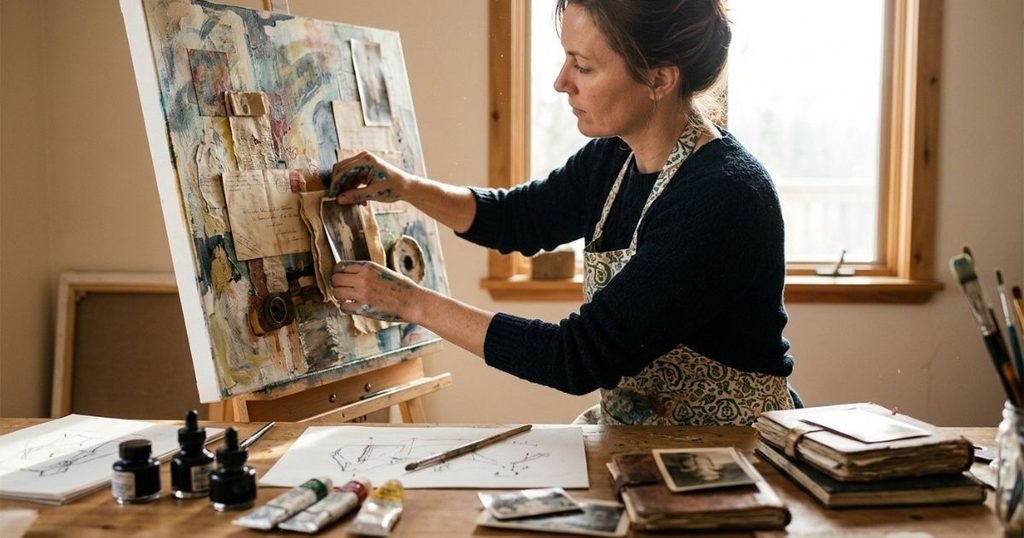
Each brushstroke or sculpted line can evoke the artist’s emotions, experiences, and intentions, suggesting that the true power of an artwork often lies not just in its aesthetic qualities but in the rich narrative that shapes its existence. As we engage with the art of history, understanding the stories behind creations allows us to connect more profoundly with the human experience, enhancing both our appreciation and interpretation of the visual realm.
FAQs
1. What are the best photography styles for showcasing interiors?
The best styles include minimalism, lifestyle, and editorial photography, each emphasizing different aspects of interior design. Each style offers a unique way to capture a space’s beauty, mood, and personality.
2. How does natural lighting affect interior photography?
Natural lighting can enhance the mood and colors of a space, creating a more inviting and authentic atmosphere in the photographs. It also highlights textures and details while making interiors appear brighter and more spacious.
3. Should I hire a professional photographer for my interior design project?
Yes, a professional photographer understands lighting, composition, and style, which can significantly enhance the quality of your images. Their expertise can help showcase your interior design details and make each space look more appealing and professional.
4. Can I use smartphone photography for interior design?
Absolutely! With the right techniques, smartphone photography can produce high-quality images, especially with good lighting and composition. Using the right angles and keeping the camera steady can help capture interior spaces beautifully.
5. What role does staging play in interior photography?
Staging is crucial as it helps highlight the functionality and design elements of a space, making it more appealing to viewers. Thoughtful furniture placement and carefully chosen accessories can also create a welcoming look and help viewers appreciate the room’s full potential.
6. How do I choose the right angles for interior shots?
Experiment with different angles, but generally shooting from a corner or at eye level often provides the most balanced and appealing composition. These angles can help capture the room’s layout, showcase key design features, and make the space feel more inviting.
7. Is post-processing necessary for interior photography?
Post-processing can enhance images by adjusting color balance, brightness, and sharpness, but it’s essential to keep the final look true to the actual space. Subtle edits can make interior details stand out without making the photos look overly edited or unrealistic.
8. What props can enhance my interior design photography?
Using props like books, plants, and art pieces can add personality and warmth, making the space feel lived-in and inviting. Choose props that complement the room’s style and colors to create a natural, visually appealing composition.
Conclusions
Selecting the right photography style for interior design is essential to effectively showcase the beauty and functionality of a space. Whether you prefer the minimalistic approach of Scandinavian design or the vibrant hues of bohemian aesthetics, each style offers a unique way to tell a story. To wrap up, the right photography style can transform your interior design from mere visuals to a dynamic narrative. Choosing between styles such as contemporary, eclectic, or traditional can significantly impact how viewers perceive a space. Emphasizing natural light can enhance the details and make rooms feel inviting, while strategic angles can highlight architectural features. By considering the emotions you wish to evoke, you can align your photography style with your design vision.