15 Understairs Storage Ideas for Small Homes
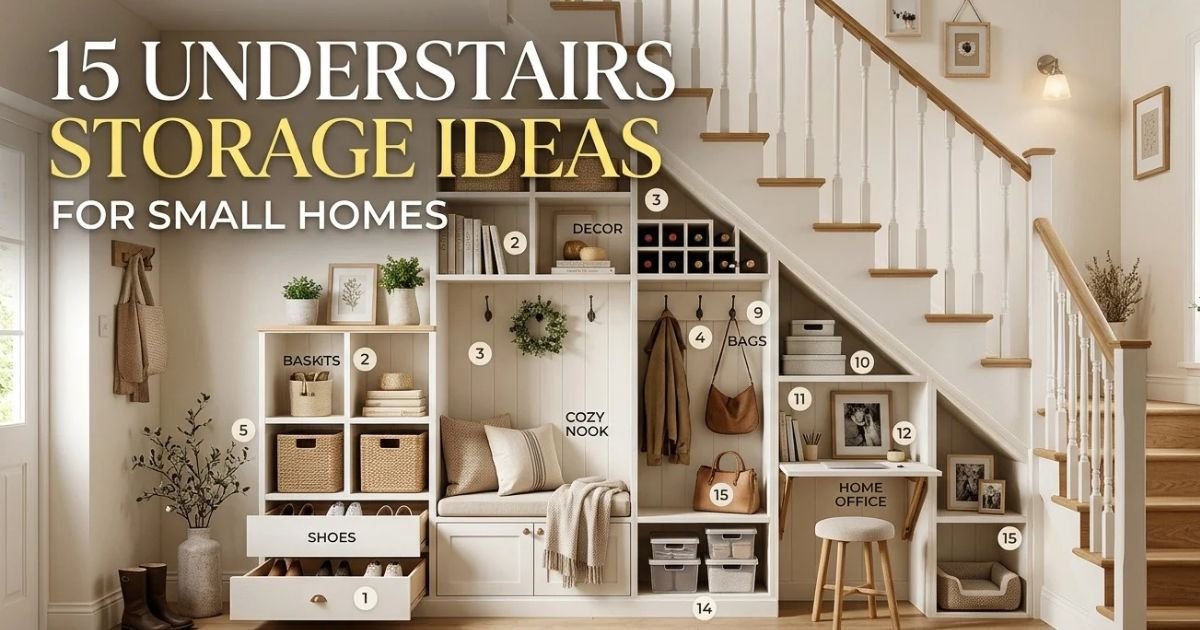
In a compact home, an awkward staircase can take up valuable floor space without giving you anywhere to put the things you use every day. Turning the area beneath it into useful storage can make a living space feel more functional without adding a room or changing the home’s footprint. Drawers can keep smaller items organized, while open shelves may suit books or baskets; a combination can serve several practical purposes in one compact area.
For a townhouse or small house, thoughtful understairs storage can help manage everyday clutter and make better use of an often-overlooked spot. This guide explores practical understairs storage ideas, from tailored cabinetry to flexible shelving and simple ways to plan the space.
1. Make the Most of Small Spaces With Custom Under-Stair Storage

Under-stair storage can turn an awkward area into space for everyday accessories and household needs. Instead of trying to fit standard furniture beneath a ceiling, plan custom storage around the shape and depth. Shallow shelves can hold books, baskets, or items, while deeper sections can accommodate household supplies.
Start by deciding what you need to store and how often you use it. Open cubbies keep often-used items visible; doors or drawers help contain clutter. A combination can make the area flexible without wasting its footprint. With the layout grounded in daily routines, under-stair storage can serve as an extension of the room
Install Built-In Shelves for Everyday Essentials
Built-in shelves can give an under-stairs nook a coordinated appearance while keeping everyday essentials close at hand. Plan the layout around what you need to store, rather than treating every shelf as display space.
Use lower shelves for items you reach for often, such as small baskets for loose belongings. Adjust the remaining spaces to accommodate books and other household essentials, making the most of the available area. These small under stairs storage ideas can help turn an awkward nook into practical, organized storage.
Add Custom Drawers for Hidden Storage
Custom drawers add hidden storage while keeping everyday items easy to reach. Smooth-sliding hardware helps drawers open and close with less effort, making them practical for frequent use. Choose drawer sizes that suit what you plan to store, rather than relying on one large, catchall space.
Smaller compartments can separate utensils, accessories, or other small items and help keep them organized. A layout tailored to your belongings makes better use of drawer space and reduces clutter on nearby surfaces. Consider what needs a dedicated place before deciding on the drawer configuration.
Use Pull-Out Cabinets to Reach Deep Corners
Pull-out cabinets make deep corners and spaces beneath stairs easier to use by bringing stored items within reach. A sliding unit can organize pantry supplies, such as canned goods and dry ingredients, without leaving less-used items hidden at the back. Measure the opening and available depth before choosing a cabinet, and check that it can slide out without hitting nearby doors or trim.
For under stairs storage ideas on a budget, consider a simple pull-out shelf or a compact cabinet fitted with sturdy drawer slides. These units can also keep cleaning products together; store them securely and follow product-label guidance, especially in homes with children or pets. Use bins or dividers to keep smaller items from shifting, and leave a clear path for the cabinet to extend fully.
2. Create a Practical Under-Stairs Closet
An under-stairs closet can add useful storage in a hallway or bedroom, but its sloping ceiling calls for planning. Measure width, depth, and height at several points, noting where the slope begins and how much floor space remains. Use those measurements to decide what belongs there: coats and shoes need easy access, while bins or seasonal items fit in lower areas.
Choose storage that follows the shape rather than forcing a standard closet layout. A mix of short hanging space, shelves, and pull-out bins can make corners easier to reach. Keep the doorway clear; test doors and drawers for movement.
Organize Shoes, Bags, and Accessories
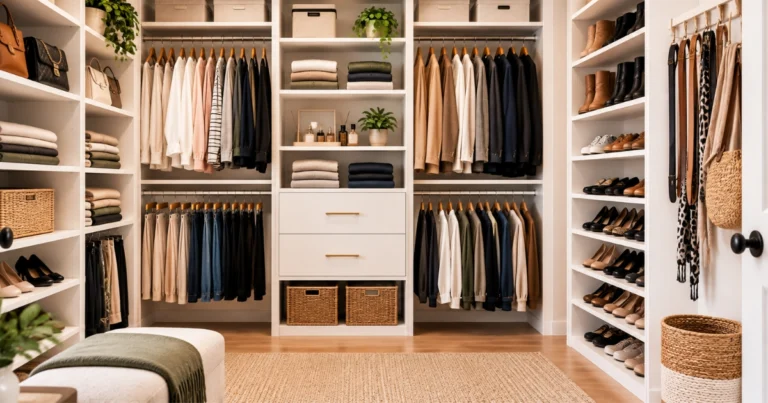
Organize shoes, bags, and accessories by giving each category a clear, easy-to-reach home. Use shoe racks, cubbies, or pull-out compartments to keep footwear off the floor and make pairs simple to find. Choose the setup that fits your entryway or closet, and group everyday shoes separately from pairs worn less often.
Small labeled baskets can corral items such as scarves, hats, and gloves, while reusable shopping bags stay together in a designated spot. Fold or nest bags when practical, then return them after each use. A consistent place for each item helps keep the area orderly and makes it easier to see what you have when heading out.
3. Try Budget-Friendly Under-Stairs Storage Ideas
You do not always need expensive custom cabinets to make use of the space beneath your staircase. Affordable storage baskets, secondhand furniture, ready-made shelving, and simple organizers can provide practical solutions without a major renovation. Start by identifying what you need to store and then select items that fit the available dimensions. A combination of open and closed storage can keep the area organized while helping you stay within your budget.
Repurpose an Old Dresser or Bookshelf
An old dresser or bookshelf can become practical under-stair storage with a little planning. Measure the available height, width, and depth first, then choose a piece that fits without blocking walkways, doors, or access to nearby spaces. A dresser with drawers can keep smaller items contained, while a bookshelf makes frequently used belongings easy to see and reach.
Use the space for storing clothing accessories such as scarves, hats, and bags. Add small bins or drawer dividers to group items and keep them tidy. If the furniture needs trimming or other alterations to fit the slope, check that the changes won’t compromise its stability. Once in place, label containers or arrange items by type so your under-stair storage stays easy to use.
Add Ready-Made Cabinets and Floating Shelves
Ready-made cabinets and floating shelves can add practical storage during a complete renovation without requiring every element to be custom-built. Cabinets offer enclosed space for items you want out of sight, while open shelves keep frequently used items or display pieces within reach. Choose sizes and finishes that suit the room and coordinate with the rest of the renovation.
For areas with unusual dimensions or specific storage needs, custom-built storage can fill gaps that standard cabinets may not fit. A combination of ready-made cabinets, floating shelves, and custom solutions helps balance convenience with a tailored look. Plan placement around how you use the room, then consider how lighting and wall finishes will complement the arrangement.
4. Build a Small Under-Stairs Pantry
If your staircase is close to the kitchen, consider turning the available space into a small pantry. This is a practical solution for homes with limited kitchen cabinets or insufficient room for a separate food storage area. Add shelves, narrow cabinets, and pull-out organizers to keep groceries and kitchen essentials within reach. Before setting up the pantry, make sure the area is clean, dry, and suitable for storing food.
Install Shelves for Canned Goods and Dry Food
Installing open shelves for canned goods and dry food starts with choosing a dry, accessible location. Measure the space, then check that the shelves and mounting hardware suit the wall and the weight they will hold. Keep used items within reach.
Group groceries by type so cans, jars, and pantry staples are easy to find. Place heavier canned foods on lower shelves, and reserve upper shelves for lighter dry goods. Use baskets or containers to keep small packages together, and label them when helpful. Leave enough room to see what you have and rotate older items forward.
5. Turn the Space Into a Mini Home Office
Turn the space into a mini home office by defining a work zone that fits your daily tasks without taking over the room. Place a well-planned workstation against a wall or in an unused corner, and leave enough clearance to sit and move comfortably. A compact desk or narrow work surface can keep the footprint manageable.
Before choosing its position, check where electrical outlets are located. Set up your computer, lamp, and other frequently used equipment nearby to limit stretched cords across walkways. Use task lighting and storage for papers and supplies, keeping the surface clear enough for focused work.
Install a Compact Desk and Wall Shelves
Installing a compact desk and wall shelves can create a practical work area without taking up additional floor space. Choose a desk sized to fit the available wall, then use shelves above it for books, files, and office accessories. Keeping frequently used items within reach helps the surface stay clear.
If the workspace is beside a staircase, measure carefully before choosing shelf placement. Account for the height of the staircase and the slope overhead, so shelves do not interfere with movement or access. Secure shelves according to their installation instructions, and leave enough room to sit and work comfortably.
6. Design a Cozy Reading Nook Under the Stairs
If you enjoy reading, transform the unused area beneath your staircase into a comfortable reading nook. This idea works particularly well in homes where there is not enough room for a separate library or sitting area. A built-in bench, soft cushions, and a small bookshelf can create a relaxing corner without taking up space elsewhere. Use the available height wisely and make sure there is enough room to sit comfortably.
Add a Built-In Bench With Hidden Storage
A built-in bench with hidden storage adds seating without requiring additional furniture. Place it along a wall, beneath a window, or in an entryway to make use of space that might otherwise go unused. A lift-up seat provides access to the storage compartment, where you can keep items you want nearby but out of sight.
Add cushions to make the bench more comfortable and bring color or texture into the room. Before building, consider what you plan to store and allow enough room for the seat to open fully. This simple feature pairs everyday seating with practical storage, helping the space feel organized and thoughtfully arranged.
7. Create a Pet-Friendly Space Under the Stairs
Create a pet-friendly space under the stairs by clearing clutter and checking for sharp edges, exposed cords, or other hazards. Avoid storing cleaning products, chemicals, medications, or anything your pet could chew or spill. Keep the area well ventilated, and make sure your pet can enter and leave easily without getting trapped.
Keep your pet’s belongings together in a spot, such as a basket for toys and supplies. Add a comfortable resting place with a washable bed or blanket that fits the space. Leave enough room for your pet to stretch and turn around. Check the nook often for clutter.
Add Storage for Pet Food and Supplies
Add dedicated storage for pet food and everyday supplies to keep essentials organized and easy to reach. Store dry food and treats in airtight containers to help protect them from moisture and pests; label each container with its contents and the date it was opened. Keep containers clean and use them according to the food’s storage directions.
Set aside a separate bin or shelf for grooming supplies, such as brushes, combs, and nail clippers. Store cleaning products apart from pet food and grooming items, ideally in a closed cabinet pets cannot access. Keep cleaning accessories—like cloths, gloves, and scrub brushes—together nearby, but separate from pet-care tools to avoid mix-ups.
8. Make a Dedicated Space for Cleaning Supplies
A dedicated space keeps cleaning supplies together and makes them easier to find. Under the stairs, start by measuring the available height, width, and depth; the sloping ceiling may call for a mix of open shelving and narrow cabinets. Install shelves for folded cloths, spare sponges, and other small items, keeping frequently used supplies within easy reach.
Store cleaning equipment, such as a broom or mop, upright in a secure holder, and group bottles in a tray to contain drips. Keep products in their original containers and follow their label directions for safe storage. These diy under stairs storage ideas can make an awkward area more functional without adding clutter.
9. Add a Stylish Under-Stairs Mudroom
Turn an under-stairs nook into a stylish mudroom by treating it as a compact drop zone rather than a catchall. Start with a bench or narrow shelf sized to fit beneath the slope, and add hooks where the ceiling height allows. Use small storage compartments for shoes, hats, and everyday accessories, keeping each item easy to reach. Baskets or labeled bins can help separate belongings without taking up much floor space.
Choose finishes that suit the nearby entryway, such as coordinated hardware or a durable surface that is simple to wipe clean. Keep the layout open enough for comfortable movement.
Install a Storage Bench With Shoe Compartments
A storage bench provides a convenient place to sit while putting on or removing shoes. Choose a design with open cubbies or enclosed compartments underneath to keep footwear organized. Add a cushion on top for comfortable seating and use separate sections for different family members. This arrangement can reduce shoe clutter around the front door while making better use of the space beneath the stairs.
Add Wall Hooks and Cubbies for Daily Essentials
Add wall hooks and small cubbies near the entryway to give daily essentials a consistent place. Hooks keep coats, bags, and other accessories easy to grab, while small cubbies for hats help prevent them from being left on chairs or counters when not in use.
Place hooks at a comfortable height and leave room between items. Reserve cubbies for frequently worn hats, or assign one to each household member. A nearby tray can hold keys and other small essentials. Keeping each spot simple makes it easier to put things away and keeps the entryway ready for the next trip out.
10. Create a Small Laundry Area Under the Stairs
In some homes, the space beneath the staircase can accommodate a compact laundry area. This arrangement may work when the available dimensions, plumbing, drainage, electrical supply, and ventilation support the installation. A stacked washer and dryer can save floor space, while shelves above the appliances provide storage for laundry products. Check appliance measurements and manufacturer installation requirements before planning the layout.
Fit a Compact Washer and Dryer
Before choosing a compact washer and dryer, measure the laundry area’s width, depth, and height, including trim. Check appliance dimensions and the installation guide, then allow the manufacturer’s specified clearance around each unit. Account for doors opening fully and room to load laundry or reach controls; side-by-side and stacked arrangements have different access needs.
Confirm electrical requirements against appliance labels and manuals, including outlet location and circuit specifications; consult a qualified electrician if unsure. Leave room for hoses and drain connections without pinching. For vented dryers, plan an exhaust route and maintain required clearance. Follow the manual and local code before installation.
11. Build a Stylish Under-Stairs Bar or Coffee Station
An under-stairs bar or coffee station makes an overlooked corner useful without demanding much floor space. Start with a compact countertop sized to the available depth, then reserve one zone for brewing or pouring and another for cups and everyday supplies. Keep the surface clear enough for preparation, rather than treating it as display space.
Choose beverage accessories that suit the station’s main purpose, such as a mug rack, a small tray for coffee tools, or a bottle opener for a bar setup. Use shelves or drawers below the counter to contain extra items and keep frequently used supplies handy.
12. Use the Space for Seasonal and Household Storage
Use storage space for seasonal items and household supplies you don’t need every day. Keep decorations, spare linens, or occasional household supplies together so they’re easy to find when the season changes or a need comes up.
Choose sturdy containers suited to what you’re storing, and add clear labels to each one. Group similar items together and place frequently used supplies where they’re easy to reach. A simple labeling system makes it easier to put things away and locate them later, keeping storage practical throughout the year.
Organize Extra Bedding and Household Essentials
An under-stair cabinet can keep extra blankets, pillows, towels, and spare bedding close at hand without letting them take over closets or bedrooms. Before storing them, make sure each item is clean andcompletely dry; putting away damp or soiled linens can lead to unpleasant odors.
Use shelves or labeled bins to separate bedding from towels, and keep frequently used items within easy reach. Store bulky blankets and pillows in breathable bags or containers, leaving enough room to take items out and return them without disturbing the rest. A quick check every so often helps you spot stale smells and refresh anything that needs attention.
13. Try DIY Under-Stairs Storage Projects
DIY under-stairs storage projects can turn a nook into useful space. Start by measuring the area and noting sloped ceilings, doors, and access panels. Simple shelves work well for books, baskets, or items, while wooden compartments can organize shoes, tools, or supplies.
Before cutting or fastening anything, identify what is behind the walls and under the stairs. Avoid disturbing structural components, wiring, plumbing, or required access points; consult a qualified professional if you’re unsure. Plan each shelf or compartment around the space’s dimensions, then secure it with hardware. A customized installation can make storage fit while keeping the stairs and structure intact.
14. Make a Small Powder Room Under the Stairs
A compact powder room under the stairs works best when plumbing access and ventilation are planned before fixtures and finishes. Keep shutoff valves and service points reachable through a discreet access panel rather than sealing them behind built-ins. Confirm that the proposed toilet and sink fit the available headroom, and check local code requirements for clearances and ventilation before construction.
Use wall-mounted storage to preserve floor space: a slim shelf or shallow cabinet can hold essentials without crowding the sink. Choose a compact fixture layout that leaves the entry and service access unobstructed. With the basics mapped out first, you can make the most of the awkward footprint while keeping the room practical to maintain.
15. Make Your Under-Stairs Storage Look More Attractive
A closed cabinet can make under-stairs storage feel like a considered part of your home’s interior design, rather than a catchall. Choose a door style and finish that complement nearby trim, flooring, or furniture so the storage blends naturally with the room.
Add Decorative Doors to Hide Clutter
Decorative cabinet doors can turn an open shelf or utility nook into a more polished storage area. Choose a style that complements the room, then use the space behind the doors for everyday items you’d rather keep out of sight.
For a streamlined finish, consider handleless designs, such as push-to-open doors or discreet finger pulls. Measure the opening and check how the doors will swing before choosing a style, especially in a narrow hallway or compact room. This small detail helps your storage blend in while keeping clutter accessible when you need it.
Use Wallpaper and Paint to Refresh the Space
Refresh the space behind open shelves with a fresh coat of paint or attractive wallpaper. Because this area remains visible around displayed dishes, books, and accessories, a simple backdrop can help the shelves feel more intentional without competing with what they hold.
Light neutral shades offer a versatile starting point, bringing a calm look that works with a range of shelf contents and finishes. For a little more character, choose wallpaper with a subtle pattern or texture, keeping the design balanced with the items on display. Before painting or applying wallpaper, clear the shelves and prepare the wall according to the product directions. Once the backdrop is finished, return only the pieces that suit the refreshed look.
Conclusion
Small homes don’t need to sacrifice useful storage; they need smarter use of the space already available. Understairs storage can turn an awkward area into a practical spot for everyday essentials, household supplies, or items you want tucked away. The best solution depends on what you store, how often you need it, and whether open shelves, closed cabinets, drawers, or a combination suits your home. Before choosing a design, measure the available width, height, and depth, then sort belongings by size and frequency of use. That preparation can help you choose a setup that fits your space and keeps the area easier to use.
FAQ
1. What is this guide about?
This guide covers 15 creative understairs storage ideas for small homes, including built-in shelves, hidden cabinets, shoe storage, and DIY solutions. These ideas help homeowners organize belongings and make better use of unused space.
2. How many understairs storage ideas are included?
This guide features 15 practical understairs storage ideas to suit different home layouts, budgets, and storage needs. Each idea offers a way to make your staircase area more useful.
3. Are the ideas intended for small homes?
Yes, these ideas focus on maximizing unused space in small houses, apartments, and townhouses. They help create extra storage without taking up additional floor space.
4. What types of items can I store under my stairs?
You can store shoes, coats, bags, books, cleaning supplies, toys, blankets, and seasonal decorations. The available space and storage design will determine what fits best.
5. Do the ideas require built-in cabinetry?
No, you can also use freestanding shelves, storage baskets, ready-made cabinets, and repurposed furniture. Built-in cabinets are optional for homeowners who want customized storage.
6. Can I use these ideas in a rental home?
Yes, many understairs storage ideas use portable shelves, baskets, bins, and freestanding furniture. These options are suitable for renters because they usually do not require permanent changes.
7. Are measurements or construction instructions included?
The guide explains different storage options, but exact measurements depend on your staircase layout. Always measure the available height, width, and depth before starting a project.
8. How do I choose the right idea for my home?
Consider your available space, budget, and everyday storage needs before selecting a design. Choose an option that keeps your belongings organized without making the area feel crowded.