
Peel and Stick vs Traditional Wallpaper: Choosing the Best Fit for Your Walls
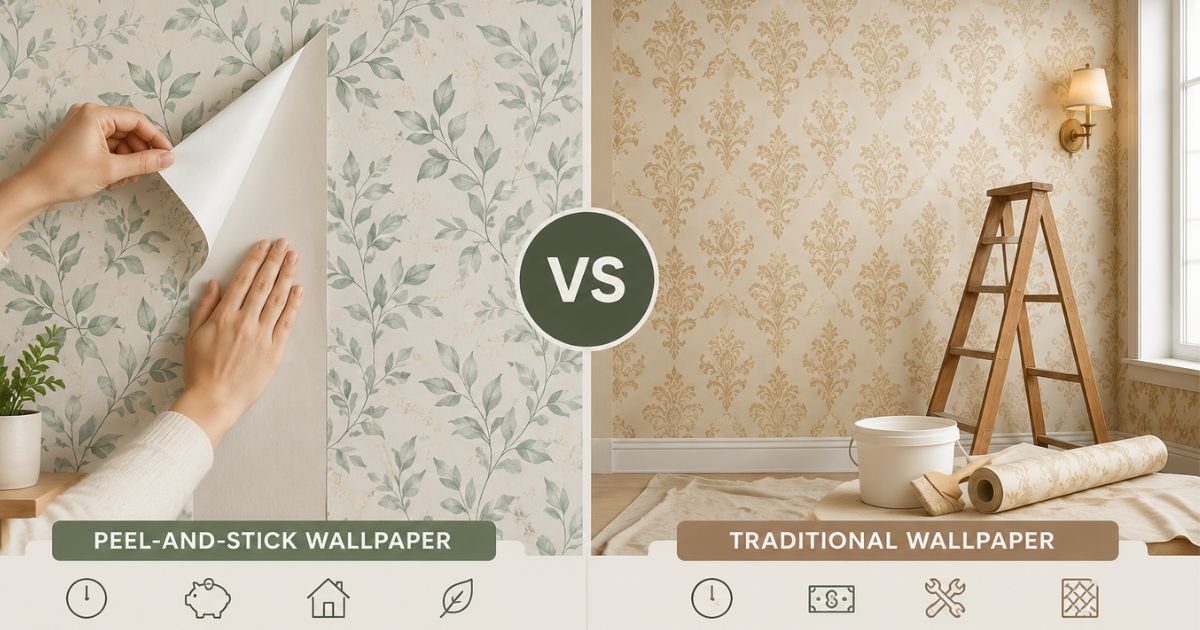
Peel and Stick vs Traditional Wallpaper is a common comparison for homeowners looking to refresh their interiors . While peel and stick wallpaper offers quick, DIY friendly installation, traditional wallpaper is known for its durability and timeless appeal. Understanding the differences in cost, installation, maintenance, and long-term performance will help you choose the best option for your home and decorating goals.
Peel and Stick vs Traditional Wallpaper: Key Differences
Peel-and-stick wallpaper is revolutionizing the way we think about interior design, offering a user-friendly alternative to the traditional method of wall coverings. This modern marvel adheres effortlessly to your walls, allowing for quick transformations without the commitment of paste or the mess of traditional wallpapering. Whether you’re a seasoned DIY enthusiast or a first-time decorator.
It’s available in an extensive range of patterns, colors, and textures, enabling you to express your personal style with flair. Plus, the removable nature of this product means you can experiment fearlessly; if a design doesn’t resonate after a few months, you can easily peel it off and try something new, making it ideal for rental spaces or decor enthusiasts who love to switch things up.
What Is Peel and Stick Wallpaper?
Peel-and-stick wallpaper is a wall covering with an adhesive backing, so it can be applied without separately brushing paste onto the wall. You peel away the backing liner, position the paper, and smooth it onto a clean, dry surface. It is also commonly described as self-adhesive wallpaper. In India, self-adhesive wallpaper is a useful term to look for when shopping for it.
Self-adhesive wallpaper rolls come in different designs and materials, and installation and removal instructions can vary by product. Although some listings describe self-adhesive wallpaper as waterproof, that claim does not apply to every roll.
Check the product specifications for its water resistance, recommended surfaces, and suitability for areas such as bathrooms before buying. These details can help you choose a style that fits both your space and your needs.
What Is Traditional Wallpaper?
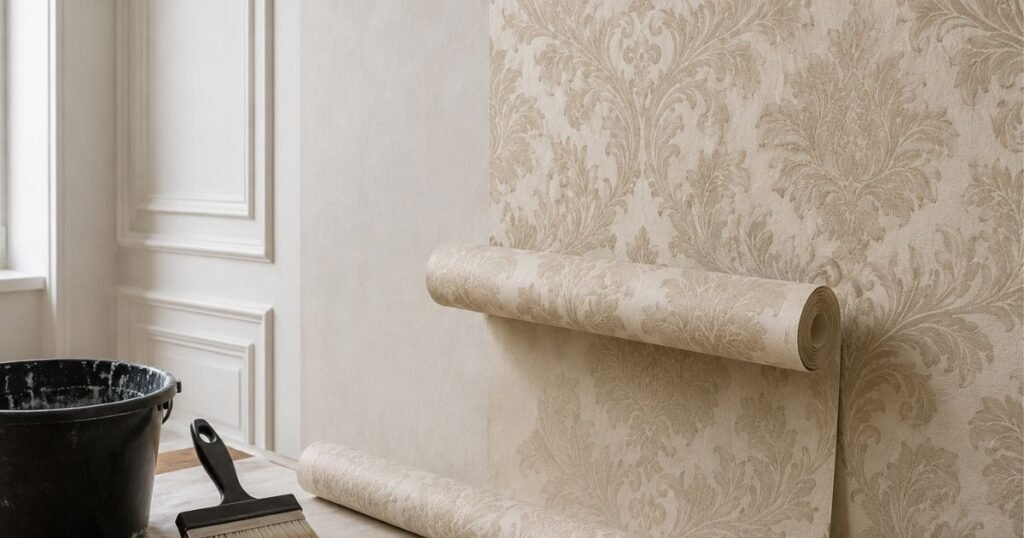
Traditional wallpaper is a decorative wall covering made from paper or paper-backed materials that comes in a wide variety of colors, patterns, and textures. It is applied to interior walls using wallpaper adhesive and is a popular choice for adding character, elegance, and style to a room. Traditional wallpaper is durable, offers countless design options, and can transform the look of any space when properly installed.
Surface Preparation Before Installation
Surface preparation means getting the installation area clean, sound, and ready to accept the new material. The right preparation depends on what is being installed and the condition of the surface, so check the product instructions before choosing a method.
Common surface preparation methods include removing dust, dirt, grease, loose material, and existing coatings that could interfere with installation. Depending on the surface and product, preparation may also involve repairing cracks or uneven areas, sanding, or allowing the surface to dry fully. Use methods and cleaning products approved for the material, and avoid covering damp or unstable areas.
Once the surface is prepared, confirm that it meets the product’s requirements before installation begins. This check can help identify remaining issues while they are still easy to address.
Installation: Which Is Easier?
Peel-and-stick wallpaper is generally easier to install because it comes with an adhesive backing. You simply remove the backing liner, position the wallpaper, and smooth it onto the wall. This makes it a convenient option for homeowners who prefer DIY projects and want to avoid using wallpaper paste.
Traditional wallpaper usually requires more preparation because you need to apply wallpaper adhesive before hanging it. Matching patterns, aligning seams, and removing air bubbles can also take time and practice. Some homeowners prefer professional installation to achieve a neat and even finish.
Peel-and-stick wallpaper is often the easier choice for beginners, while traditional wallpaper may require more time, tools, and installation experience.
Durability and Longevity
The durability of wallpaper depends on its material quality, adhesive, installation, and the condition of the wall. Peel-and-stick wallpaper can last for several years when applied to a clean, smooth, and dry surface. However, its adhesive may lose strength over time, especially in areas with high humidity or temperature changes.
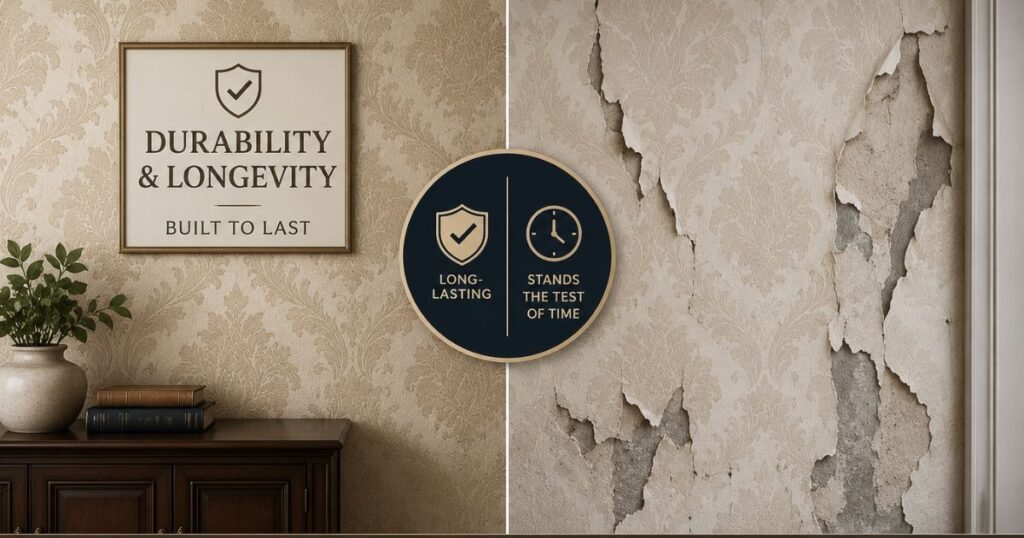
Traditional wallpaper can also last for many years when properly installed and maintained. Some materials, such as vinyl and non-woven wallpaper, are designed to handle everyday wear better than delicate paper finishes.
If you want a long-term wall covering, traditional wallpaper may be a suitable option. Peel-and-stick wallpaper is useful for temporary updates, but its lifespan depends on the product and installation conditions.
Repair or Replace Peel-and-Stick Wallpaper
If you’re wondering how to make peel and stick wallpaper stick better, start with the wall: it should be clean, dry, and smooth. Dust, grease, texture, or paint that has not fully cured can prevent adhesion. Follow the wallpaper maker’s instructions for suitable surfaces and paint-curing time.
For peel and stick wallpaper not sticking at an edge, gently lift the loose section, remove any dust from the wall, and press the paper back into place, smoothing from the center outward. Avoid using extra adhesive unless the manufacturer says it is compatible. If the wallpaper is torn, stretched, or no longer tacky, replacing that panel may be the better fix.
Cost Comparison
Cost Comparison, the cost of wallpaper depends on the material, brand, and installation method. Traditional wallpaper often has a lower purchase price, while premium options and professional installation can increase the overall cost. Comparing material, installation, and maintenance expenses can help homeowners choose the best option for their budget and long-term needs.
Peel and Stick vs Traditional Wallpaper: Comparison Table
| Features | Peel and Stick Wallpaper | Traditional Wallpaper |
|---|---|---|
| Installation | Easy DIY installation | May require professional installation |
| Adhesive | Comes with a self-adhesive backing | Requires wallpaper paste or adhesive |
| Removal | Generally easy to remove | Can take more time and effort |
| Durability | Depends on material quality and wall condition | Can last for many years with proper installation |
| Cost | Prices vary by quality and design | Prices vary by material and installation costs |
| Maintenance | Some types can be wiped clean | Cleaning depends on the wallpaper material |
| Design Options | Available in various colors, patterns, and textures | Offers a wide range of patterns, colors, and textures |
| Wall Surface | Works best on clean, smooth walls | Can be suitable for different prepared wall surfaces |
| Best For | Renters and temporary home updates | Long-term home decorating projects |
Both peel and stick and traditional wallpaper offer different benefits for home decorating. Peel and stick wallpaper is a convenient option for people who prefer easy installation and flexible design changes. Traditional wallpaper may be a better choice for those planning a long-term update and looking for a wider range of material options. The right choice depends on your budget, wall condition, decorating preferences, and how long you want the wallpaper to stay in place.
Removal and Flexibility
One of the main differences between peel-and-stick and traditional wallpaper is how they are removed. Peel-and-stick wallpaper is designed to be removable, making it useful for renters and homeowners who like to update their decor. In many cases, it can be peeled away without using water or wallpaper removal solutions. However, the result depends on the adhesive, paint condition, and wall surface.
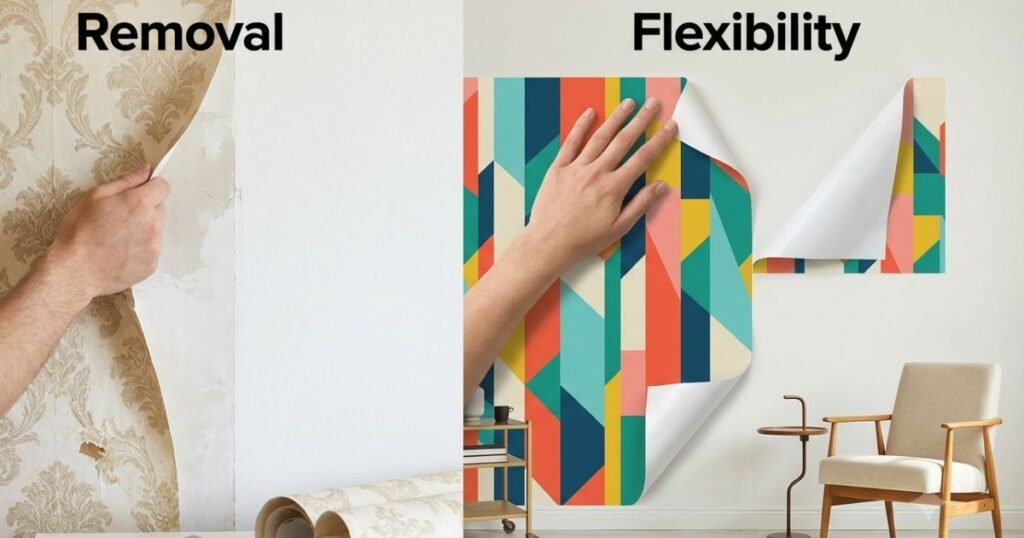
Traditional wallpaper can take more time and effort to remove. Some types may need water or a suitable wallpaper removal solution to loosen the adhesive. The removal process can also require scraping, depending on the material and how it was installed.
If you prefer to change your wall design more often, peel-and-stick wallpaper offers greater flexibility. Traditional wallpaper is generally better suited to people planning a longer-term decorating project.
Does Peel and Stick Wallpaper Damage Walls?
Many homeowners wonder, does wallpaper ruin walls? The answer depends on the wallpaper type, adhesive, wall condition, and removal method. Peel and stick wallpaper has become increasingly popular because of its easy installation and removal. It is a convenient option for renters, homeowners, and anyone who wants to update their interiors without making a permanent change. However, damage can occur depending on the wall’s condition, the wallpaper’s adhesive, and how it is removed.
How to Prevent Wall Damage
Follow the manufacturer’s instructions and test a small, inconspicuous area before covering the entire wall. If the paint is fresh, allow it to cure fully according to the paint manufacturer’s guidance.
How to Remove It Safely
When removing the wallpaper, peel it slowly and follow the product’s directions. Avoid pulling it off quickly, as this can increase the risk of paint damage or adhesive residue.
Design Options and Trends
Both peel-and-stick and traditional wallpaper are available in a wide range of designs, making it easier to find a style that suits your home. Popular choices include floral prints, geometric patterns, botanical designs, textured finishes, and simple neutral colors.

Peel-and-stick wallpaper is especially useful for trying different looks without making a long-term commitment. You can use it to create an accent wall, refresh a bedroom, or add a decorative touch to a small space.
Traditional wallpaper also offers many design options, including detailed patterns, fabric-like textures, and classic prints. It can work well in living rooms, dining areas, and bedrooms where homeowners want a more permanent wall design.
When comparing styles, consider your room’s size, existing furniture, lighting, and overall color scheme. The right wallpaper should complement the space without making it feel overcrowded.
Environmental Impact and Material Options
The environmental impact of wallpaper depends on the materials used, manufacturing process, and how the product is disposed of. Both peel and stick and traditional wallpaper come in different materials, so it is worth checking their features before making a purchase.
Eco-Friendly Wallpaper Materials
Some wallpaper manufacturers offer products made with recycled paper, responsibly sourced materials, or PVC-free alternatives. These options may be worth considering if you want to reduce the use of certain plastics in your home. Water-based inks and lower-emission adhesives are also features to look for when comparing wallpaper products.
Peel and Stick Wallpaper Materials
Peel and stick wallpaper is commonly made from vinyl or other synthetic materials with an adhesive backing. Vinyl options are popular because they can be durable and easy to clean, but not all are recyclable through regular household recycling programs. Some brands offer PVC-free alternatives, giving homeowners additional material choices.
Traditional Wallpaper Materials
Traditional wallpaper is available in paper, non-woven, fabric-backed, and vinyl finishes. Paper-based options may use fewer synthetic materials, while non-woven varieties are designed for easier handling and removal. The environmental impact varies by product, so check the manufacturer’s material and sustainability information before buying.
How to Make a More Sustainable Choice
Before purchasing wallpaper, consider its expected lifespan, material composition, and removal requirements. Choosing a durable design that suits your space can help reduce frequent replacements. You can also look for products with clear information about recycled content, responsible sourcing, and low-emission materials.
Whether you prefer peel and stick or traditional wallpaper, comparing material options and choosing a product that meets your needs can help you make a more thoughtful decorating decision.
Which Should You Choose
Choosing between peel-and-stick and traditional wallpaper depends on your decorating goals, budget, wall condition, and how long you want the design to stay in place.
Peel-and-stick wallpaper is a practical choice if you want an easier installation process or enjoy changing your home decor. Traditional wallpaper may be more suitable if you are planning a long-term update and prefer a wider selection of materials and finishes.
Before making a decision, consider the room where you plan to install the wallpaper, the amount of maintenance it may need, and the manufacturer’s installation instructions. Comparing these details will help you select an option that suits your home.
Maintenance and Cleaning
- Regular Dusting
Dust wallpaper regularly with a soft, dry microfiber cloth or a clean duster. For spots, check the manufacturer’s care instructions first, since cleaning methods can vary by material and finish.
- Gentle Spot Cleaning
If spot cleaning is allowed, gently wipe the area with a soft cloth lightly dampened with water and a small amount of mild soap. Test in an inconspicuous spot, avoid abrasive pads and harsh cleaners, and don’t soak the wallpaper.
- Drying and Ongoing Care
Pat the area dry with a clean cloth, then follow the product’s care guidance for ongoing maintenance.
Moisture and Bathroom Suitability
Peel-and-stick wallpaper can be a practical option in bathrooms, but suitability depends on the room’s moisture and ventilation. Steam and repeated splashes may affect how well the wallpaper adheres, so check the product’s care and installation guidance before using it in a bathroom.
For a lower-moisture spot, such as a powder room wall away from the sink, it may be easier to maintain than an area exposed to frequent water. Avoid assuming that peel-and-stick wallpaper is waterproof unless the manufacturer specifically says so. Before installing it, make sure the wall is clean, dry, and smooth, and consider how the room’s ventilation will help manage moisture.
Does Peel and Stick Wallpaper Work?
Yes, peel-and-stick wallpaper can work well when it’s applied to a smooth, clean, dry surface. The adhesive backing makes installation simpler than traditional wallpaper, but dust, grease, texture, or uneven walls can prevent it from sticking evenly or staying in place.
Before covering the whole wall, test a small piece in an inconspicuous spot and follow the manufacturer’s instructions for your surface. The result depends on both the wall’s condition and the product, so check the label for guidance on application and removal.
Choose peel and stick wallpaper if:
Choose peel-and-stick wallpaper if you want a quick and convenient way to refresh your space without using traditional wallpaper paste. It is a practical option for renters and homeowners who enjoy changing their decor or trying different patterns and colors.
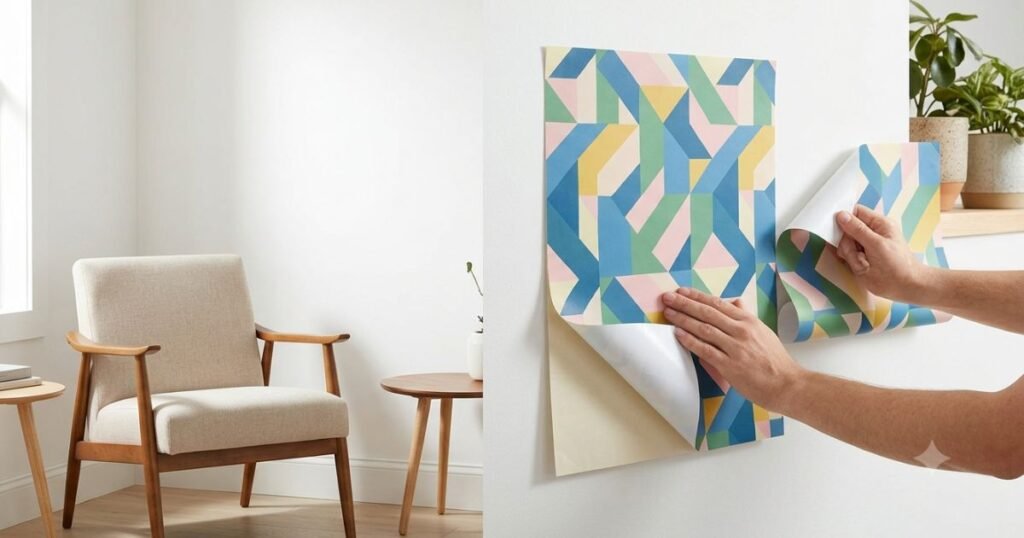
It is also suitable for DIY decorating projects because it does not require separately applying wallpaper adhesive. Many designs are available, including geometric patterns, floral prints, and botanical styles. Although peel-and-stick wallpaper is designed to be removable, it does not guarantee damage-free removal. Always check the manufacturer’s instructions and consider your wall’s paint and surface condition before applying it.
Choose Traditional Wallpaper If:
Choose traditional wallpaper if you are planning a long-term decorating project and want a wall covering that can remain in place for years. It is available in different materials, patterns, and finishes, giving homeowners plenty of options for living rooms, bedrooms, dining areas, and other interior spaces.
Traditional wallpaper can create a detailed and consistent look, especially when you want to cover a large wall or decorate an entire room. However, installation usually requires wallpaper adhesive and careful pattern alignment. Removing it may also take more time than removing peel-and-stick wallpaper.
Before purchasing, compare the material, installation requirements, and care instructions to find an option that suits your decorating needs.
Peel and Stick Wallpaper Pros and Cons
| Pros | Cons |
|---|---|
| Easy to install without separately applying wallpaper paste. | Requires a smooth, clean, and dry wall surface. |
| Can be removed when you want to update your décor. | May not adhere properly to textured or uneven walls. |
| Suitable for renters and temporary decorating projects. | Repositioning can require patience to avoid bubbles and misaligned seams. |
| Available in different colors, patterns, and designs. | Removal results depend on the adhesive and wall condition. |
| Convenient for DIY home improvement projects. | Some products may be more expensive than expected. |
Peel and stick wallpaper offers a convenient way to update interior walls without the mess of traditional wallpaper paste. However, proper surface preparation and careful installation are important for achieving a smooth finish. Checking the manufacturer’s instructions and testing a small area before installation can help you avoid common problems.
Final Thoughts
Peel and stick vs traditional wallpaper comes down to your budget, decorating preferences, and long-term plans. Peel-and-stick wallpaper offers easier installation and more flexibility for people who like to update their interiors.
Traditional wallpaper provides a wide range of materials and designs for homeowners planning a longer-lasting change. Before choosing either option, consider your wall condition, room environment, installation requirements, and maintenance needs.
Frequently Asked Questions
What Is the Best Peel-and-Stick Wallpaper?
The best option depends on your room, budget, and decorating style. Look for quality adhesive, durable material, clear installation instructions, and a design that suits your space.
Can You Apply Peel-and-Stick Wallpaper Over Existing Wallpaper?
It is generally not recommended because the existing wallpaper may have seams, texture, or loose areas that affect adhesion. For better results, apply it to a clean, smooth, and properly prepared surface.
Can You Reuse Peel-and-Stick Wallpaper After Removing It?
Some products may allow repositioning during installation, but reuse after removal is not always possible. The adhesive can collect dust or lose its strength, so check the manufacturer’s instructions.
Can You Put Peel-and-Stick Wallpaper on Textured Walls?
Peel-and-stick wallpaper works best on smooth walls. Heavy textures can prevent proper adhesion and may show through the wallpaper. Always check the product requirements before installation.
Is Peel-and-Stick Wallpaper Safe for Rental Properties?
It can be a convenient option for rental properties because many products are designed for removal. However, it may still affect paint or wall surfaces, so test a small hidden area and check your lease requirements first.
Can You Use Peel-and-Stick Wallpaper on Furniture?
Yes, some peel-and-stick wallpaper products can be used on smooth furniture surfaces, such as cabinet doors, shelves, and drawer fronts. Clean the surface first and check whether the product is suitable for furniture application.