
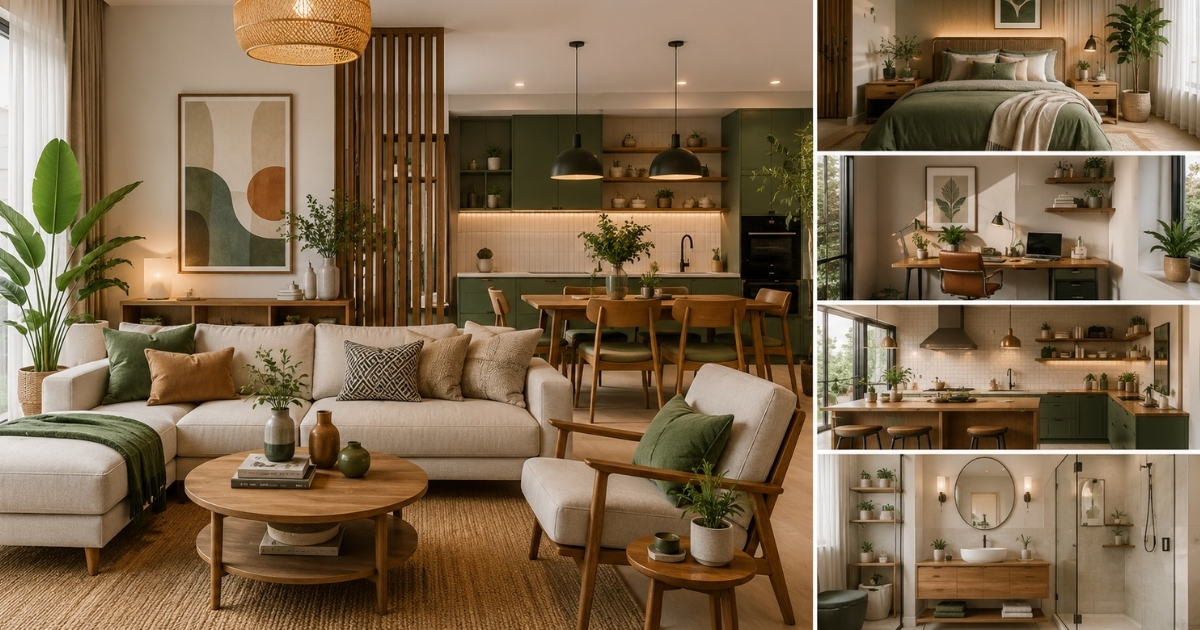
Creating a home that is beautiful, functional, and reflective of your personal style has never been more important. As modern living spaces become increasingly multifunctional, thoughtful interior design can help you make the most of every room while balancing comfort, sustainability, and visual appeal.
In “How to Be Better at Interior Design,” hometrovehub explains smart layouts, energy-efficient lighting options, and practical ways to work with different textures. From the living room to the bedroom and home office, these interior design and interior decoration tips will help you transform ordinary spaces.
What Is Interior Design?
Interior design is more than just decoration. It’s the art of blending style with function to create spaces that feel good to live in. It starts with thoughtful space planning, where every inch of a room is considered to make the best use of textiles, materials, and color.
Many designers use digital tools to plan and visualize their ideas before bringing them to life, helping them create spaces that are both comfortable and practical. Sustainability is also a growing priority, with more designers choosing eco friendly materials and practices that reduce environmental impact. At the same time, they stay mindful of safety and building standards, finding creative solutions that work within those guidelines.
Why Interior Design Matters in 2026
In 2026, interior design is becoming more focused on how our surroundings affect our comfort, mood, and everyday well-being. Circadian lighting adapts to our natural rhythms, promoting better sleep and mood regulation. Ergonomic furniture is also becoming increasingly important, helping support the body and improve comfort throughout the day.
Homebuyers now prioritize spaces that combine aesthetic appeal with functionality, prompting designers to incorporate elements like warm minimalism. This design philosophy emphasizes simplicity and comfort, utilizing neutral palettes and cozy textures to create inviting environments. By fostering such atmospheres, properties enhance their market value.
Biophilic design integrates nature into living spaces through elements like green walls, natural light, and organic materials, contributing to mental well-being and purifying the air. There is a trend toward authentic materiality, where homeowners increasingly seek genuine, sustainable materials that reflect their values and resonate with their desire for uniqueness. Invisible technology is shaping the future of interior spaces, enabling smart home features that enhance convenience while maintaining the aesthetic unity of a room.
Start with a Clear Design Plan
A clear design plan is essential for creating harmonious spaces that serve their intended purposes. Consider these key aspects:
Measure Every Room: It begins with measuring every room meticulously, ensuring that dimensions of walls, windows, and doors are accurately noted. This foundational step prevents cost overruns and design mishaps later on.
- Define the Room’s Purpose: Tailoring each space to its function enhances functionality and enjoyment.
- Home Office: Design for productivity with adequate lighting and ergonomic furniture.
- Bedroom: Prioritize comfort and tranquility for restful nights.
- Dining Area: Create an inviting atmosphere for gathering and sharing meals.
- Reading Corner: Incorporate cozy seating and good lighting for relaxation.
- Children’s Playroom: Ensure safety and creativity with adaptable storage solutions.
Set a Budget
When planning your interior design budget, consider dividing your spending across different areas. For example, you might allocate around 40% to furniture, 30% to fixtures and lighting, and 30% to décor and accessories. This gives you a simple framework for balancing style and functionality without spending too much in one category.
Remember to account for hidden costs that can arise during a project, including installation fees, permits, delivery charges, or unexpected repairs. Setting aside 10–15% of your total budget as a contingency fund can give you some flexibility if costs change along the way.
Construction and labor costs can also vary depending on the complexity of your project and the professionals you hire. Rather than trying to save on everything, focus your budget on high-quality pieces that offer both durability and style. You can also reduce costs by shopping secondhand, repurposing existing furniture, upcycling décor, or working with local artisans.
Popular Interior Colors in 2026
- Deep reds and purples: Burgundy and plum shades add drama; great for dining rooms and accent pieces.
- Earthy tones: Espresso browns and warm terracotta-orange create a grounded, welcoming feel.
- Blues: Layered indigo shades work well for zoning spaces; pair with warm accents like gold or ochre for balance.
- Greens: Olive stays popular; soft eucalyptus greens bring a calming touch to bedrooms.
- Teal: Rich teal shades pair beautifully with mustard or jewel tones for a luxe look.
- Warm neutrals: Soft taupe and pink-toned whites replace plain, cold whites as the go-to backdrop.
Interior Design Tips
Living Room
- Mix textures like a velvet sofa and jute rug for visual depth.
- Place floor lamps or sconces in corners to highlight architecture or art.
- Choose a rug pattern that fits your style and personal taste.
- Size the rug so furniture legs rest comfortably on top.
- Add plants to purify the air and bring in natural freshness.
- Refresh the space seasonally with new throws and pillows.
Bedroom
- Leave at least 30–36 inches of walking space around the bed for comfortable movement.
- Choose light bulbs under 3,000 Kelvin for a soft, warm glow instead of harsh white light.
- Position bedside lamps level with the top of the headboard for balanced lighting.
- Add a plush duvet for extra comfort and style.
- Mix linen, cotton, and knit textures for a layered look.
- Rotate bedding by season to stay cozy year round.
- Add a wallpapered accent wall for personality without clutter.
- Drape a decorative blanket at the foot of the bed.
- Keep a spare set of sheets on hand for quick changes.
- Use a stylish hamper to keep laundry out of sight.
- Apply feng shui basics by avoiding direct door alignment.
Kitchen
- Update the backsplash with peel and stick or patterned tile for an easy refresh.
- Style open shelves with mugs, jars, cookbooks, and colorful glassware.
- Bring in warm beige, wood, and woven textures for a cozy feel.
- Use reclaimed wood shelving for an eco friendly, rustic touch.
- Layer lighting with pendants, under cabinet strips, and a small lamp.
- Mount a wine rack or build a small coffee station on an empty wall.
- Add cottage charm with soft colors, patterned tile, and potted plants.
- Commit to one bold accent color or a striking black and white palette.
- Mix in vintage finds like thrifted art, signs, or retro appliances.
- Finish with a cozy rug, cafe curtains, or an exposed brick feature.
Bathroom
- Add a statement mirror to open up narrow or dim spaces.
- Bring in wood, stone, and woven textures against cold tile surfaces.
- Swap harsh overhead lighting for warm, glowing sconces.
- Bring humidity loving plants like ferns or pothos into the room.
- Choose a bold paint color to create instant drama.
- Display soaps and lotions in glass jars for an organized look.
- Install floating shelves for extra storage without bulky cabinets.
- Add brass or gold fixtures for an elevated, polished finish.
- Hang moisture resistant artwork above the tub or vanity.
- Place a soft rug nearby for comfort and warmth underfoot.
What Is the Most Important Thing in Interior Design?
Great decor isn’t about filling every empty corner. It’s about choosing pieces that genuinely add value to a space, whether that’s a framed photo that sparks a memory or a vase that ties a room’s colors together.
Keep these principles in mind as you style any room:
- Give every item a purpose, whether it’s functional, sentimental, or simply beautiful.
- Leave breathing room. A few well chosen pieces have more impact than a shelf packed with too many items.
- Balance old and new by mixing vintage finds with modern pieces.
- Rotate your decor with the seasons to keep spaces feeling fresh without a full redesign.
- Let personal touches lead. Photos, travel finds, or handmade pieces make a house feel like yours.
At its core, good decorating comes down to restraint and intention. When every piece earns its place, a room feels styled rather than overcrowded.
Why hometrovehub Inspires Homeowners
A trusted source of inspiration for homeowners, hometrovehub explores interior design with confidence. By offering practical solutions designed for various budget ranges, it helps individuals transform their living spaces without straining their finances.
The platform emphasizes the significance of planning, ensuring that each element is thoughtfully chosen to not only reflect personal style but also serve functional needs. With modern decorating techniques and budget-friendly suggestions, hometrovehub redefines what is achievable, inspiring homeowners to embark on their design journeys with confidence and creativity.
Conclusion
Becoming proficient in interior design requires a thoughtful approach to experimentation. Our detailed guide, packed with practical interior decoration advice, has provided you with essential tools and insights to enhance your space, ensuring it remains both stylish and practical. As you navigate the changing landscape of design trends in 2026, embrace your unique vision while considering the principles we’ve discussed.
FAQs
What are some common mistakes to avoid in interior design?
Avoid overcrowding spaces, ignoring scale, wrong rug size, pushing furniture against wall, proportion, and neglecting the importance of flow.
How does interior decoration differ from interior design?
Interior decoration focuses primarily on the aesthetic aspects and furnishing of a space, while interior design encompasses a broader approach, including spatial planning and architectural elements.
What are the first steps to take when planning my interior design?
Begin by identifying your style preferences, setting a budget, and creating a floor plan. Measure your space to understand what fits and what doesn’t.
What are some budget-friendly ways to update a room?
Consider painting walls, swapping out hardware, rearranging furniture, and adding new textiles. Plants and artwork can also make a significant impact without breaking the bank.
What is Gen Z interior design?
Gen Z interior design reflects a generation that values sustainability, individuality, and smart technology in equal measure, with many opting for unique thrifted pieces, bold colors, or DIY touches over mass-produced decor.