

What Businesses Should Know About Efficient Climate Control
Uneven temperatures, poor airflow, or an overworked cooling system can make a commercial space uncomfortable and disrupt the workday. Understanding how commercial air conditioning affects energy use, comfort, and day-to-day operations helps businesses make informed decisions. This article explains the key considerations for efficient climate control, from system selection and maintenance to practical ways to improve performance.
Benefits of Commercial Air Conditioning
Commercial air conditioning helps maintain a comfortable indoor environment across offices, retail spaces, and other workplaces. By managing temperature and, in many systems, humidity and air circulation, efficient climate control can make shared spaces more usable for employees, customers, and visitors throughout changing weather conditions. A well-planned system can also help maintain consistent indoor conditions during busy working hours. Businesses should consider their building size, daily occupancy, and operating needs when evaluating suitable climate control options.

A commercial system can also give building operators more control over different areas and schedules. Features such as zoning and programmable controls may help match cooling to how a space is used, rather than treating every room the same. Choosing equipment suited to the building and keeping it maintained are important next steps for getting reliable performance. These practices also support efficient climate control and help manage energy use.
Factors Affecting Efficiency
Efficiency depends on how well people, processes, and resources work together. Clear goals and priorities help teams focus effort on the work that matters, while well-defined responsibilities reduce duplicated tasks and prevent important steps from being overlooked. The same principles support efficient climate control in commercial spaces.
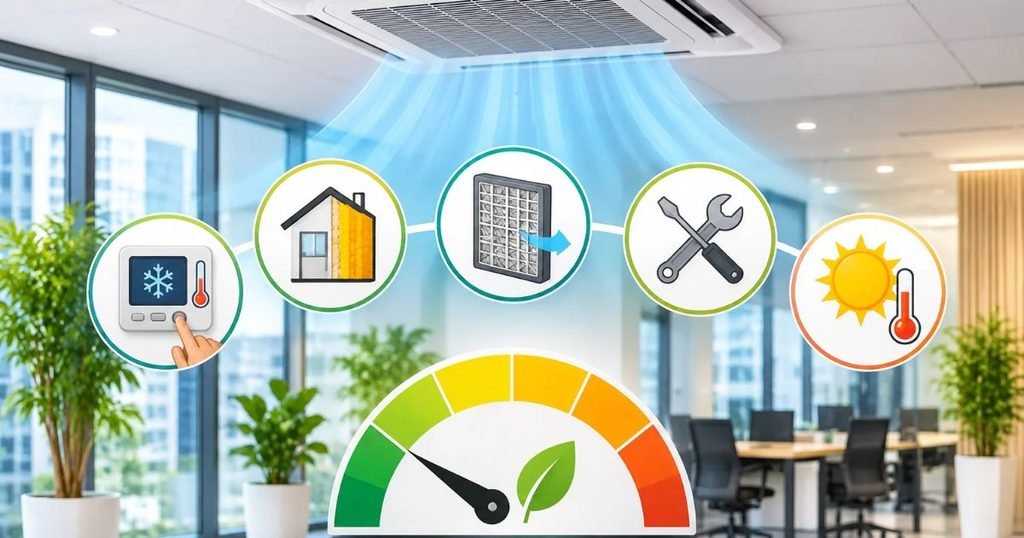
Tools and working conditions also play a role. Reliable equipment, suitable technology, and easy access to the information people need can reduce avoidable delays. By contrast, unclear procedures, frequent interruptions, and unnecessary handoffs can make routine work take longer. Providing employees with the right tools and a well-organized workspace can help improve daily performance. Regularly reviewing work processes also makes it easier to identify problems and find practical ways to save time. These improvements can support smoother operations and help teams complete their tasks more efficiently.
Efficiency can change as workloads and needs shift, so it helps to review processes regularly. Looking for recurring bottlenecks and asking the people who do the work where time is lost can point to practical improvements.
Energy Consumption and Cost Considerations
Energy consumption is an important part of a product’s total cost of ownership. The purchase price is only one factor: how often a product runs, how much energy it uses while operating, and how long you keep it can all affect ongoing expenses. For efficient climate control, compare energy-use information on product labels when available, and consider whether the listed usage reflects your typical routine.
Your electricity rate also matters. To estimate operating cost, use the product’s stated energy consumption and your utility’s rate; actual costs may vary with local pricing, usage patterns, and settings. For products with multiple modes or adjustable settings, check whether lower-energy options suit your needs, since the right choice can help manage consumption without sacrificing functionality.
When comparing options, weigh expected energy costs alongside the upfront price rather than judging by either figure alone. For a more precise estimate, consult the product’s specifications and your current utility rate. Efficient climate control can help businesses make cost-conscious decisions while maintaining comfortable indoor temperatures. Consider long-term operating expenses to understand the overall value of a system.
Regulatory Compliance and Environmental Impact
Regulatory compliance connects environmental goals with the rules that apply to a business’s operations. In the United States, requirements may come from federal, state, and local authorities, and can vary by industry, location, and activity. Depending on the operation, they may address areas such as air emissions, wastewater, waste handling, or chemical management.

A practical compliance process starts by identifying applicable requirements, permits, and reporting duties, then assigning responsibility for tracking them. Regular reviews can help an organization spot changes in its obligations and document its actions. Insert details about the organization’s applicable requirements or environmental practices. This foundation can also guide broader efforts to understand and reduce environmental impacts. Efficient climate control can support these efforts by helping businesses manage energy use and maintain comfortable indoor conditions. Choosing suitable systems and following relevant environmental guidelines can also contribute to more responsible day-to-day operations.
Maintenance and Longevity
Regular maintenance can help keep a product working as intended and make it easier to spot wear before it becomes a larger issue. Follow the manufacturer’s care instructions, use only recommended cleaning methods, and check for loose, damaged, or worn parts at the intervals specified for the product. Efficient climate control also depends on keeping commercial air conditioning systems in good working condition. Regular inspections and timely servicing can help maintain airflow, support consistent performance, and reduce unnecessary energy use.

Storage matters, too. Keep the product in conditions recommended by its manufacturer, and protect it from moisture, excessive heat, or other factors that may affect its materials. For product-specific cleaning steps, inspection intervals, and replacement guidance, consult the manufacturer’s instructions. With routine care and timely repairs, you can make informed decisions about continued use and replacement.
Advanced Controls and Smart Integration
Advanced controls and smart integration work best when they make a system easier to manage, not more complicated. Look for clear options to adjust settings, create schedules, and review system status in one place. The available controls and compatible devices will depend on the specific product and setup. Add confirmed compatibility details. Efficient climate control becomes easier to manage when businesses can monitor and adjust indoor temperatures according to their daily needs. Smart thermostats and automated scheduling may help reduce unnecessary cooling when spaces are unoccupied. These features can also support more consistent comfort across different areas of a commercial building.
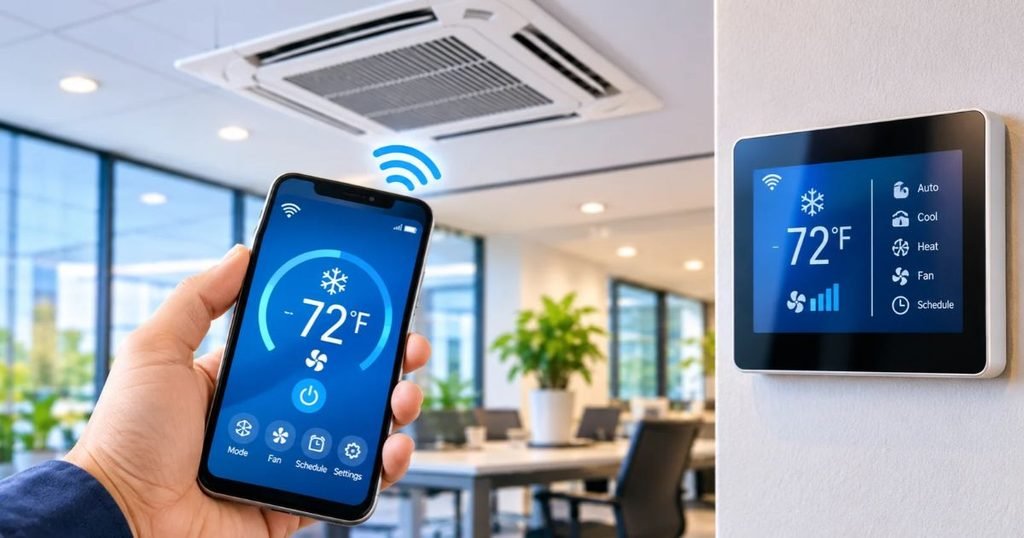
Before connecting devices, check what information the system shares, which functions can be managed remotely, and what happens if a connection is interrupted. These details help set practical expectations and guide setup. With the capabilities confirmed, it becomes easier to decide which controls and integrations are useful for your needs. This can also help businesses maintain efficient climate control while keeping system management simple and reliable.
Tailoring Solutions to Industry Needs
A solution works best when it reflects the realities of the industry using it. Start by identifying the requirements that shape day-to-day operations, such as workflows, customer expectations, regulatory obligations, and the tools already in place. This helps distinguish essential capabilities from features that may add complexity without solving a real problem. Efficient climate control should also match the specific needs of the business, including its building layout, occupancy levels, and daily operating hours.
Next, adapt the solution to those needs while keeping it practical to implement and maintain. Involve the people who will use or manage it, and clarify where configuration is appropriate and where a standard approach is preferable. The right balance depends on the organization’s goals and constraints; supporting examples or industry-specific requirements: add source or details.
Review the fit as needs change. Regular feedback can help teams identify gaps, refine processes, and keep the solution aligned with evolving priorities. Businesses should also monitor indoor temperatures, airflow, and energy consumption to understand how well their climate control systems are performing. Changes in occupancy or building use may require adjustments to existing settings. Regular evaluations can help maintain efficient climate control and support a comfortable working environment. This approach also helps businesses identify opportunities to improve system performance over time.
Installation Considerations
Before installation, review the product’s instructions and confirm the site meets its requirements. Check the available space, access for delivery or assembly, and any clearance, ventilation, or mounting needs. Requirements vary by product, so use the manufacturer’s guidance rather than assuming a standard setup will apply. For efficient climate control, businesses should also consider the size and layout of the space before selecting an air conditioning system. Proper placement can help support even air distribution throughout the building. Consulting a qualified HVAC professional can help ensure the installation meets the site’s needs.

Also check whether the work requires permits, a qualified installer, or changes to electrical, plumbing, or other utilities. Confirm these details with the relevant local authority and service professionals before work begins. Planning ahead can help identify site constraints early and keep installation aligned with applicable requirements. Proper planning also supports efficient climate control and helps avoid unnecessary installation delays.
Financial Incentives and Long-Term Savings
Financial incentives can reduce the upfront cost of a purchase, but their value depends on the terms and on the costs that follow. Before making a decision, confirm which rebates, tax credits, or other incentives apply, who qualifies, how to claim them, and whether they can be combined. Add verified incentive details for the product or program. Businesses exploring efficient climate control may also compare available energy-saving incentives before choosing a system. These benefits can help lower initial expenses and make energy-efficient upgrades more affordable.
To assess long-term savings, compare the total cost of ownership not just the discounted purchase price. Include expected operating, maintenance, and replacement costs over the period you plan to use the product, and check whether projected savings are supported by reliable estimates. Add a sourced estimate or calculation, if available. This broader comparison can help show whether an incentive improves the overall value or simply lowers the initial expense. Choosing an energy-efficient option can also support efficient climate control while helping businesses manage ongoing operating costs.
Conclusion
Efficient commercial climate control is about more than keeping a building comfortable it also means choosing equipment that fits the space, maintaining it regularly, and managing energy use thoughtfully. Start by reviewing your system’s age, service history, and operating costs with a qualified HVAC professional to identify the most practical improvements.
FAQs
What does this brief say about commercial air conditioning?
It focuses on efficient climate control for businesses. It does not provide technical details about systems or services. It highlights the importance of maintaining a comfortable indoor environment while supporting energy efficiency and everyday business operations.
Who is this information for?
Businesses in the United States. The brief does not identify particular industries or business sizes. It provides general information for business owners and managers who want to understand efficient climate control and maintain comfortable indoor environments for employees and customers.
What does “efficient climate control” mean in this brief?
The brief uses the phrase but does not define it or specify how efficiency is measured. It generally refers to maintaining comfortable indoor temperatures while avoiding unnecessary energy use. This can help businesses manage operating costs and create a pleasant environment for employees and customers.
Does the brief recommend a type of air-conditioning system?
No system types are named, so it does not support a specific recommendation. The brief focuses on general climate control needs rather than comparing different air-conditioning options. Businesses should consider their space, cooling requirements, and energy use when exploring suitable systems.
Does it explain how to reduce energy use or costs?
No. The brief provides no energy-saving steps, cost information, or expected results. It does not explain which practices can improve energy efficiency or how businesses can lower their electricity bills. These details would help readers better understand the potential benefits of efficient commercial air conditioning.
Does it say how often commercial equipment should be serviced?
No maintenance schedule or servicing guidance is included. The brief does not explain how often commercial air-conditioning systems should be inspected or what routine maintenance tasks businesses should follow. It also leaves out details about professional servicing and keeping systems in good working condition.
Are installation, repair, or replacement services described?
No. The brief does not say which services are available or who provides them. It also does not include information about qualified HVAC professionals, service options, or how businesses can find reliable providers for their air-conditioning needs.
What should a business ask before choosing a climate-control solution?
The brief does not provide selection criteria. Businesses would need additional information about their needs, available systems, costs, and service options. They should also consider energy efficiency, maintenance requirements, and the long-term performance of different solutions before making a decision.