
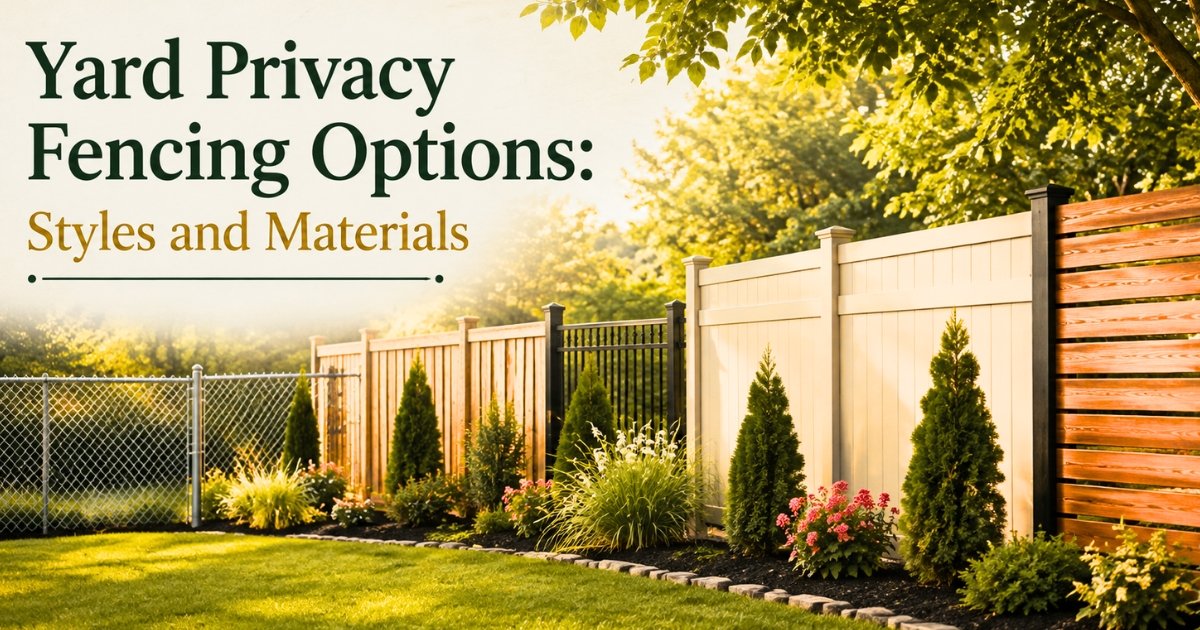
When exploring yard privacy fencing options, it’s essential to consider the blend of functionality and aesthetics that best serves your home. Wooden privacy fences offer a classic charm while providing seclusion, whereas metal fences can enhance security with a sophisticated look. Unique yard fencing ideas like living fences, which use climbing plants, can create a visually appealing natural barrier that harmonizes with your landscape. Vinyl fencing requires minimal maintenance and withstands harsh weather, making it a durable choice.
Start With Purpose Before Looking At Materials
If your primary aim is to create a safe area for children or pets, you’ll want to prioritize features that enhance security and visibility. This may lead you to choose a design that is taller or more opaque, reducing the chances of your loved ones wandering off or unwanted animals entering your space.
Chain fencing is a practical option that provides good visibility, requires manageable upkeep, and offers a cost-effective way to improve safety around your property.
Explore Yard Privacy Fencing Options and Their Uses
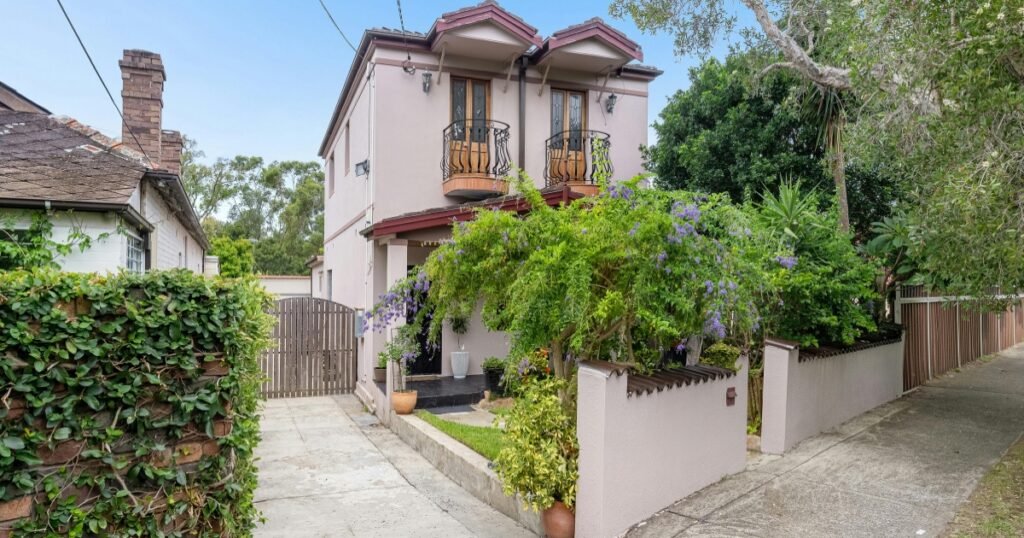
- Wood Privacy Fence
Different fence materials offer different benefits, so the right choice depends on your privacy, security, maintenance, and design needs. Wood fences bring a warm, natural look to outdoor spaces and work well with many home styles. They can also be customized in height, color, and finish, making them a practical option for adding privacy while keeping a traditional appearance.
| Pros | Cons |
|---|---|
| Natural look that suits many homes. | Needs regular care to stay in good condition. |
| Easy to customize with different stains and colors. | Can fade or weather over time. |
| Provides a warm and traditional appearance. | May need repairs if exposed to moisture. |
- Vinyl Fences
Vinyl Fences are gaining popularity due to their durability and low maintenance requirements. Available in multiple styles and colors, vinyl fences resist fading and warping, making them a long-term investment for your yard.
Here’s a concise table outlining the pros and cons of vinyl fences:
| Pros | Cons |
|---|---|
| Vinyl fences resist weather damage and do not rot. | Initial installation is often higher than wood. |
| They require minimal upkeep, saving time and effort. | Damage to vinyl can be hard to fix; you may need replacement. |
| Available in numerous colors and designs to suit preferences. | They can warp or crack in extreme temperatures. |
Chain-Link Fences
For homeowners seeking practical yard fencing ideas that define their boundaries without sacrificing visual appeal, a fence of at least 6 feet can enhance security while maintaining openness. Chain-link fences serve this dual purpose effectively; they deter unwanted visitors without creating a fortress-like feel. Additionally, they can be customized with paint or vinyl coatings to elevate their aesthetic value.
Priced between $15 and $30 per linear foot, chain-link options offer a budget-friendly alternative for those focused on safety and property demarcation. Ultimately, these fences combine functionality with style, making them a smart choice for any yard.
| Pros | Cons |
|---|---|
| Chain-link fences are affordable, making them a popular choice for budget-conscious projects. | The open design does not provide much privacy, which may be undesirable for some homeowners. |
| These fences are resistant to rust and corrosion, leading to long-lasting performance. | Many people find chain-link fences less visually appealing than other fencing options. |
| Chain-link fences can be installed relatively quickly, saving time and labor costs. | They can be easier to climb over than solid fences, potentially compromising security. |
Metal panel fences
Metal panel fences are sleek and streamlined look, seamlessly blending modern aesthetics with functional security. When considering a horizontal fence design, the visual impact can be striking, offering a contemporary alternative to traditional vertical panels. Another attractive option is incorporating brick columns between the metal panels. This combination adds texture and contrast.
| Pros | Cons |
|---|---|
| Strong and long-lasting. | Higher upfront cost. |
| Needs little maintenance. | Can get hot or cold. |
| Provides good security. | Installation can take more work. |
| Gives a modern look. | May rust without proper coating. |
| Available in different styles. | Can be noisy during storms. |
Match Fence Design With Your Property Layout
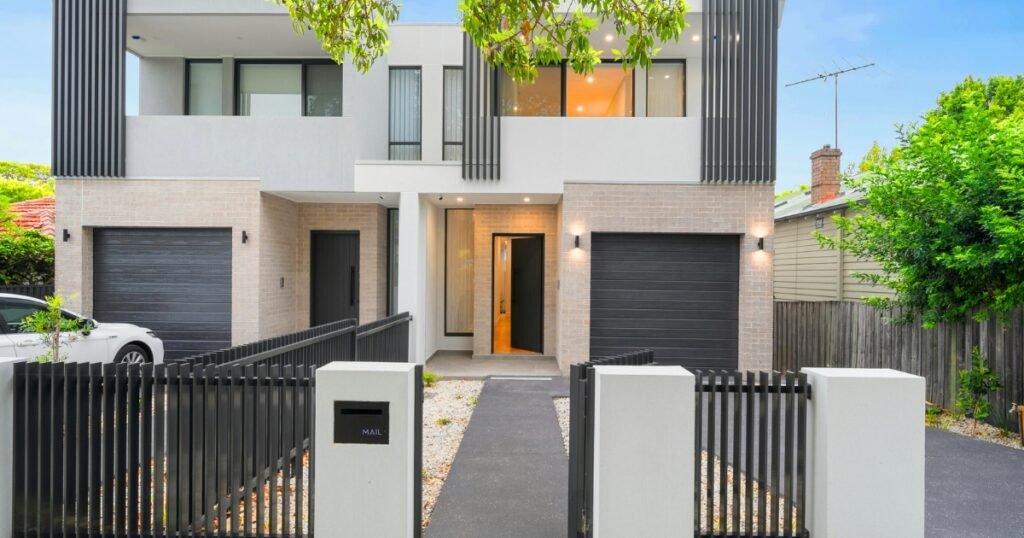
Preferring the right yard privacy fencing material, texture, and size can make a major difference in how your property looks and feels. The fence should complement your home rather than appear disconnected from the existing design. For example, a natural wood fence can pair beautifully with wooden features, stonework, or a rustic landscape, creating a warm and cohesive outdoor setting. The color and finish should also work well with the tones already present around your property.
Scale is equally important when planning your fence. A tall and solid fence can provide privacy and security on a large property, but it may make a smaller yard feel closed off. In compact spaces, a lower or more open design can maintain a sense of space while still defining the property line. By balancing the fence height, material, texture, and surrounding features, you can create a design that feels intentional, attractive, and practical.
Think About Maintenance Before Making A Decision
A wood fence, while charming and classic, showcases its beauty spectacularly on the first day but requires periodic care to protect it from the elements. This means planning for sealing, staining, or repainting to maintain its allure and structural integrity over the years.
On the other hand, materials like vinyl or composite offer a stress-free alternative as they are designed to withstand outdoor conditions with minimal upkeep. Chain link fencing, renowned for its durability, is not entirely maintenance-free; occasional inspections are advised to ensure stability and proper alignment.
Balance Privacy, Security and Openness
Choosing the right fence often requires a delicate balance among privacy, security, and openness. For those prioritizing privacy, solid panel fencing can block outside views and create a quiet, private outdoor space. For those who crave an airy ambiance, consider fences that integrate spacing or lighter designs. These solutions promote airflow and increase visibility without entirely sacrificing a sense of enclosure.
Common Mistakes to Avoid When Choosing Yard Fencing
- One of the most common mistakes when opting yard privacy fencing is picking a design based only on appearance.
- Aesthetics are important, but a fence should also provide practical benefits such as security and privacy.
- Consider how the design will harmonize with your home and landscape to enhance your property’s overall appeal.
- Ignoring your yard’s layout and available space can lead to costly mistakes.
- Mixing styles can create an uneven look, so choose a fence design that complements your home’s architecture and surroundings.
Plan for Long-Term Value Instead of Short-Term Results
A good fencing choice should continue to work well long after installation. Instead of focusing only on how the fence looks today, think about how it will handle changing weather, regular use, and the natural aging process. Durable materials may cost more at the beginning, but they can offer better value by reducing the need for frequent repairs or replacement.
It is also worth considering how your property and lifestyle may change in the future. Your fencing should remain useful if your privacy, security, or outdoor space needs become different over time. Looking at both present and future requirements can help you choose a fence that stays practical, durable, and suitable for your property.
Conclusion
Selecting the right yard privacy fencing is a combination of purpose, planning, and practical thinking. Consider your property’s layout, privacy and security needs, maintenance requirements, and the conditions your fence will face over time. By comparing different materials and styles with these factors in mind, you can choose a fence that fits your home, supports your lifestyle, and continues to add value to your outdoor space.